
Russia’s sham Duma vote exposes Kremlin panic over war fatigue
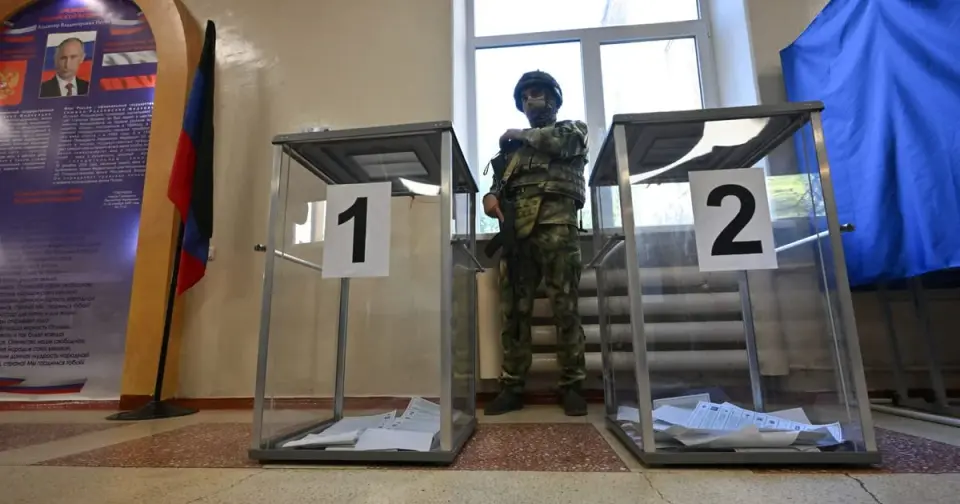
Russian voters are heading to the polls for the first parliamentary election since the 2022 invasion of Ukraine, but the Kremlin has effectively eliminated meaningful opposition. The ruling United Russia party is expected to secure a majority, while the only anti-war party, Yabloko, was recently banned after polling showed unexpected support. Analysts argue the vote is a propaganda exercise designed to legitimize the war and suppress dissent, with critics noting that the absence of real choices underscores the authoritarian nature of the regime.
Key points
- Voters will elect 450 members of the State Duma over a three-day period starting Friday, with the United Russia party expected to win a majority.
- The Yabloko party, the only registered anti-war party, was barred from the national list by the Supreme Court in August after polling suggested its support had risen to between 5.5% and 9.4%.
- The Kremlin has replaced anti-war candidates with pro-war voices, including over 1,000 veterans of the Ukraine war, some of whom are linked to war crimes.
- Opposition figures like Yulia Navalnaya advocate for 'smart voting' to defeat United Russia, but critics argue this legitimizes a sham process where results are predetermined.
- Ukraine’s recent strikes on Russian infrastructure have caused fuel shortages and brought the war closer to home, potentially shifting public sentiment despite state censorship.
Background
This election follows a period of escalating repression and international isolation for Russia. Recent events, including Putin’s decree to place strategic assets under state control after drone strikes and warnings from Estonian intelligence about weakening grip on power, suggest the Kremlin is reacting to growing internal and external pressures. The ban on Yabloko and the promotion of pro-war candidates reflect a broader strategy to control the narrative and suppress dissent as the war enters its fifth year.
How outlets are covering it
POLITICO emphasizes the Kremlin’s fear of war fatigue, noting that the ban on Yabloko was a response to rising support for the party’s anti-war stance. CNN highlights the theatrical nature of the elections, such as empty debate podiums and incentives for electronic voting, to illustrate the lack of genuine democratic process. AP News provides a factual overview of the voting process and the inclusion of veterans, but does not delve as deeply into the political motivations behind the Kremlin’s actions. All sources agree that the election is a tool for legitimizing the war and suppressing opposition, but they differ in their focus on the domestic impact versus the international implications.
Why it matters
The outcome of this election will be used by the Kremlin to justify its continued war in Ukraine and to reinforce its authoritarian control. The suppression of anti-war voices and the promotion of pro-war candidates signal a shift in public sentiment, as the war’s consequences become more visible to ordinary Russians. This could have long-term implications for Russia’s internal stability and its international relations, particularly with Western nations and non-Western partners like India, which have recently urged an end to the conflict.
What to watch
The Kremlin is expected to use the election results to legitimize its war effort and potentially prepare for further mobilization, as suggested by rumors in Russian social media. The opposition may continue to advocate for 'smart voting' strategies, but critics argue that the predetermined nature of the results limits their effectiveness. International observers will likely scrutinize the election for signs of democratic backsliding, while the Kremlin will likely dismiss such concerns as foreign interference.
- ‘There are no decent parties left’: Sham elections underscore Putin’s grip on Russia politico.eu
- Empty podiums, prizes for e-voting, no opposition: Russians head to the polls amid intensifying war in Ukraine CNN
- A Russian election and a warning to Europe about Russian aggression NPR
- Russians vote in election that Putin sees as gauge of support for his war Reuters
- Russia begins 3 days of voting in a parliamentary election set to cement the Kremlin’s power AP News
Want the full story? Read the original reporting
Read on politico.eu