
Swiss Voters Reject Strict Neutrality, Preserving Sanctions Flexibility
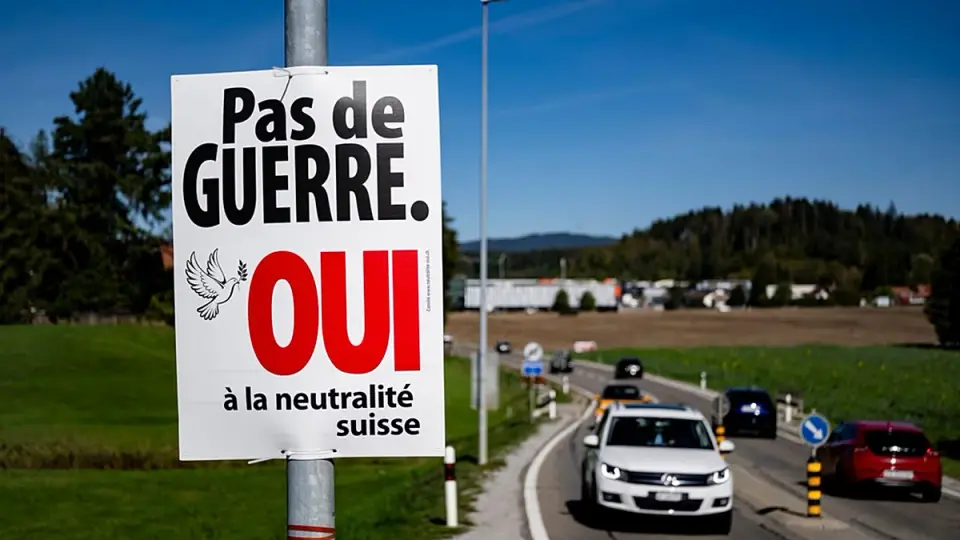
Swiss voters have decisively rejected a proposal to constitutionally harden the country's neutrality, with approximately 70% voting against the measure in all 26 cantons. The initiative, led by the far-right Swiss People's Party (SVP) and billionaire Christoph Blocher, sought to restrict sanctions to those approved by the United Nations, effectively blocking measures against Russia. The defeat preserves the government's current policy of 'cooperative neutrality,' allowing Bern to maintain military ties with NATO and align with European Union sanctions. While support for neutrality remains high, the result signals a rejection of rigid isolationism in favor of flexible foreign policy.
Key points
- Swiss voters rejected the 'neutrality initiative' with roughly 70% opposition, a result confirmed across all 26 cantons.
- The proposed measure would have required UN Security Council approval for any sanctions, effectively preventing action against Russia due to its veto power.
- The initiative was championed by 85-year-old SVP figure Christoph Blocher, who spent 3.8 million Swiss francs on the campaign, the largest individual contribution to a Swiss referendum.
- Foreign Minister Ignazio Cassis emphasized that the vote was not against neutrality itself, but against rigid restrictions that would hinder responses to international aggression.
- The outcome preserves 'cooperative neutrality,' allowing Switzerland to remain militarily non-aligned while imposing sanctions and cooperating with NATO as deemed necessary.
Background
Switzerland has long maintained a policy of neutrality, but the interpretation of this stance has become a subject of intense political debate since Russia's full-scale invasion of Ukraine. The government has advocated for 'cooperative neutrality,' which permits sanctions and defense cooperation with Western allies, while critics argue this erodes traditional neutrality. Previous archive coverage noted that the initiative was backed by the SVP and the Kremlin, with warnings that it would isolate the country. The current vote follows a period of heightened tension regarding Switzerland's alignment with EU sanctions and NATO cooperation, with a separate referendum on arms exports scheduled for November.
Why it matters
The result confirms that Swiss voters prioritize flexibility in foreign policy over rigid constitutional neutrality, allowing the country to continue aligning with Western sanctions against Russia and maintaining defense ties with NATO. This decision prevents the isolationist trajectory advocated by the SVP, ensuring Switzerland can respond to international crises without being constrained by UN Security Council vetoes. It also highlights the limits of populist pressure on traditional foreign policy, as the government's 'cooperative neutrality' approach was validated by the electorate despite significant opposition.
What to watch
Switzerland will continue to implement its current 'cooperative neutrality' policy, retaining the ability to impose sanctions and cooperate with NATO. A separate referendum on arms exports is scheduled for November, which may further test the boundaries of Swiss neutrality. The SVP and its supporters may continue to push for stricter neutrality measures in future elections or referendums, but the current result suggests a strong public preference for flexible foreign policy.
Want the full story? Read the original reporting
Read on Euronews.com