
Trump Approval Drops to 36% Post-Midterm, Tying September Low
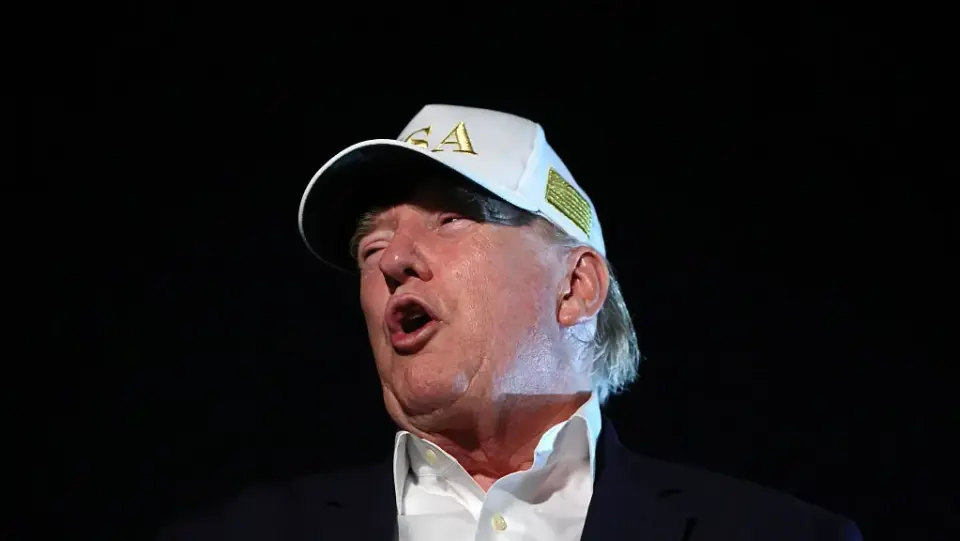
President Donald Trump’s approval rating fell to 36% in a new Economist/YouGov poll, marking its lowest point since late September. The decline follows the Republican Party’s significant losses in the November 3 midterms, where Democrats regained control of both the House and Senate. The survey, conducted among 3,166 registered voters, found that 51% of Americans believe Trump is too old to serve as president, while 58% consider his second-term performance worse than his first. National polling averages from other outlets also show his approval hovering near 38%, with disapproval rates exceeding 59%.
Key points
- The Economist/YouGov poll released on November 7 shows Trump’s approval at 36%, down three points from the October 29 survey.
- This figure ties the lowest approval rating recorded by the pollster since late September.
- The drop occurs less than a week after Republicans lost control of both chambers of Congress in the midterms.
- 51% of respondents, including 84% of Democrats and 56% of Independents, cited Trump’s age as a concern for his fitness for office.
- 58% of Americans rated his second-term job performance as worse than his first, with only 19% seeing an improvement.
Background
Trump’s declining approval ratings have been a persistent theme since October, when polls indicated record lows driven by economic dissatisfaction and foreign policy concerns. Prior to the midterms, national averages showed disapproval exceeding 60%, with voters particularly critical of cost-of-living issues. The recent electoral defeat by Democrats in both the House and Senate has likely exacerbated these polling trends, reflecting broader voter dissatisfaction with the administration’s performance.
Why it matters
The continued decline in approval ratings signals deepening voter dissatisfaction with the administration’s handling of the economy and other key issues. With Democrats now controlling Congress, the political landscape has shifted, potentially increasing pressure on the White House to address public concerns or face further electoral challenges in future elections.
What to watch
Analysts will likely monitor whether the post-midterm political shift leads to changes in policy or rhetoric from the administration. Future polls may show continued volatility in approval ratings as the new Democratic-led Congress engages with the White House on legislative priorities.
Want the full story? Read the original reporting
Read on USA Today