
Russia Commits to Bushehr Expansion Amid IAEA Access Blockade
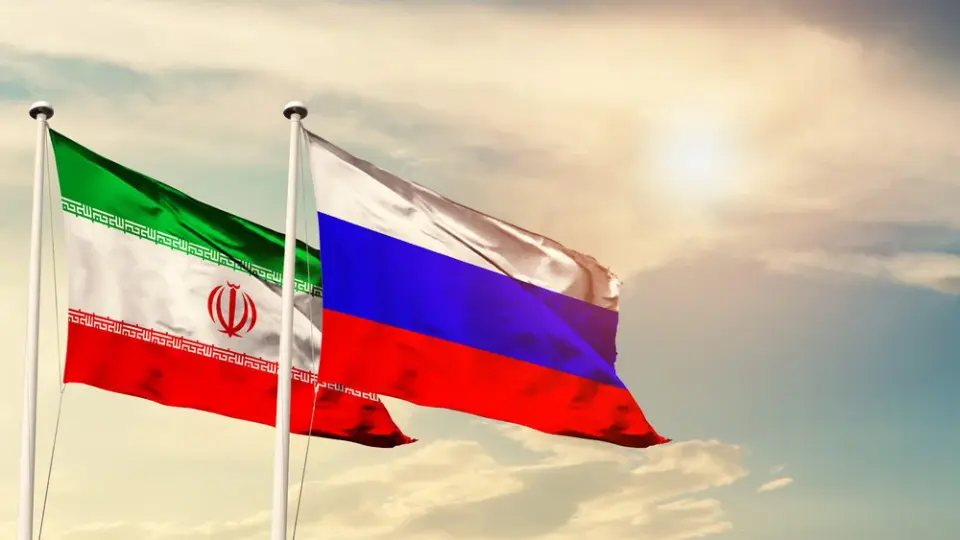
Russia and Iran are deepening nuclear cooperation despite international isolation. Moscow is continuing construction at the Bushehr plant and has agreed to build a new $25 billion facility at Sirik. This expansion occurs as the IAEA faces severe restrictions on inspecting Iranian sites, raising non-proliferation concerns.
Key points
- Rosatom has resumed operations at Bushehr with 135 specialists on-site, continuing work on two additional reactors despite the US-Iran conflict that began in February 2026.
- A new agreement signed in September 2025 involves a $25 billion nuclear project at Sirik in Hormozgan Province, with a combined capacity of approximately 5 gigawatts.
- The IAEA reported in June that it could not inspect four key uranium enrichment facilities or verify the status of nuclear materials, citing access restrictions.
- Russian President Vladimir Putin confirmed to Iranian President Masoud Pezeshkian that Moscow is honoring all commitments in joint projects, including Bushehr, during a meeting in October 2026.
- Iran’s Atomic Energy Organization claims the country has achieved self-sufficiency in nuclear power plant construction, a stance that contrasts with the continued reliance on Russian technology for major projects.
Background
This development follows a period of heightened tensions where the US blocked Iranian nuclear officials from attending IAEA meetings in Vienna and the IAEA reported Iran to the UN Security Council for the first time in two decades. Previous coverage noted that inspectors have been barred from key sites damaged in 2025 and 2026 strikes, and the agency cannot verify Iran’s stockpile of 60% enriched uranium. The current cooperation between Moscow and Tehran is part of a broader strategic partnership that entered into force in October 2025, driven by mutual isolation from Western sanctions.
How outlets are covering it
OilPrice.com and RFE/RL emphasize the strategic imbalance in the relationship, noting that while Iran gains access to technology, Russia secures commercial influence and a geopolitical foothold. They highlight the risk that civilian cooperation could facilitate the enrichment of uranium to 60%, a level with no civil justification. Tehran Times presents a diplomatic view, with Putin affirming full commitment to joint projects and Pezeshkian praising the upward trajectory of bilateral trade. In contrast, Mehr News Agency reflects the Iranian government’s perspective, with AEOI officials claiming the nation’s nuclear industry has reached full maturity and self-sufficiency, a claim that stands in tension with the continued reliance on Russian construction for the Sirik and Bushehr expansions. Iran International provides broader regional context, noting that while Israel’s political landscape is focused on regime change, the immediate security environment is shaped by the US-Iran conflict and the resulting restrictions on international oversight.
Why it matters
The expansion of Russian-Iranian nuclear cooperation in the face of IAEA access restrictions creates a significant blind spot in global non-proliferation efforts. The inability to verify the status of enrichment facilities and the construction of new large-scale plants without international monitoring increases the risk that sensitive technologies could be diverted or that Iran could advance its nuclear capabilities beyond civilian limits. This dynamic also signals a shift in the global energy landscape, where sanctioned states are developing alternative technological partnerships that bypass traditional Western oversight and security frameworks.
What to watch
The next critical milestone is the targeted operational start of the second Bushehr reactor unit in 2029. Additionally, the IAEA will likely continue to report on its inability to access Iranian sites, potentially leading to further diplomatic standoffs at the UN Security Council. The completion of the Sirik plant, if it proceeds as planned, will significantly increase Iran’s reliance on Russian fuel and technology for decades, further entrenching the bilateral relationship.
- Iran Turns to Russia for Nuclear Power as IAEA Oversight Falters Crude Oil Prices Today | OilPrice.com
- Russia’s state nuclear corporation says will increase staff at Iran’s Bushehr plant The Times of Israel
- Iran’s nuclear industry has reached full maturity: AEOI spox Mehr News Agency
- Russia denies Iran evacuations, urges public to unfollow 'fake news' channels Iran International
- Putin to Pezeshkian: Russia honoring all commitments in joint projects with Iran Tehran Times
Want the full story? Read the original reporting
Read on Crude Oil Prices Today | OilPrice.com