
UK Doubles Standard Wait for Permanent Residency to 10 Years, Exempts Key Workers
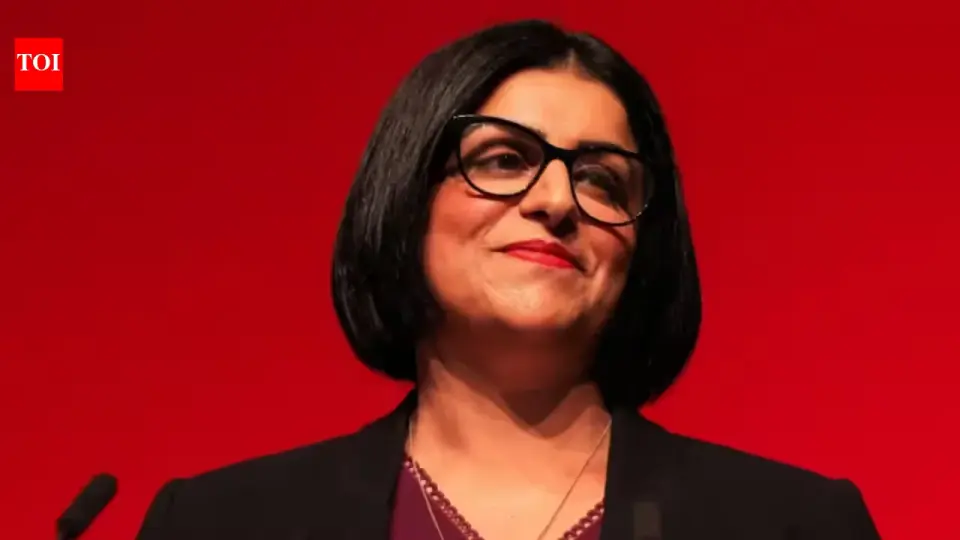
UK Home Secretary Shabana Mahmood announced new rules requiring most migrants to wait 10 years, rather than five, to obtain indefinite leave to remain. The changes, set to begin in 2027, exempt high earners and key workers but impose strict criteria on language, debt, and National Insurance contributions. The policy shift follows a consultation with 200,000 responses and internal Labour Party backlash, while net migration figures have fallen significantly.
Key points
- The standard qualifying period for indefinite leave to remain (ILR) increases from five to 10 years for most workers.
- Migrants earning over £50,000, along with doctors, nurses, teachers, and care workers meeting specific criteria, retain the five-year path.
- Those earning over £125,000 may apply for settlement after three years.
- Settlement requires no criminal record, high-standard English proficiency, no debt to the government, and three years of National Insurance contributions.
- Refugees arriving via legal routes wait five years; those arriving illegally via small boats face a 30-year wait.
- The changes are described as a softening of previous proposals that included a 15-year wait for lower-paid workers.
Background
The UK government previously proposed extending the settlement wait to 15 years for lower-paid workers, including care workers, which faced significant opposition within the Labour Party. Angela Rayner, now housing secretary, had called the original proposals 'un-British.' The current rules follow a public consultation that received 200,000 responses. Recent data shows net migration fell to 171,000 in 2025, nearly half the level of 2024, and small boat crossings dropped by 40% compared to the same period last year.
How outlets are covering it
The Times of India highlights the anxiety among Indian migrants, noting that student and graduate routes do not count toward 'earned settlement.' INSA UK spokespersons called the retrospective changes fundamentally unfair. The BBC notes that Prime Minister Andy Burnham described the migration levels as 'difficult to say' if too high or low, emphasizing economic gaps. AP News reports that Conservative critics, including Chris Philp, argued the changes would cost £10 billion in benefits, while Liberal Democrats criticized the government for prioritizing rhetoric. The Guardian, in a more editorial tone, criticized Conservative opposition as detached from reality, noting that legal immigration has fallen significantly and small boat crossings have halved, suggesting the government is legislating for a problem that no longer exists at its peak scale.
Why it matters
The new rules fundamentally alter the pathway to permanent residency for hundreds of thousands of migrants, linking settlement to financial contribution and specific criteria. The policy reflects a political effort to balance fairness for migrants with concerns from British citizens, amid declining net migration figures and rising political pressure from anti-immigration parties like Reform UK. The changes may impact labor markets in key sectors and affect the financial and professional stability of international students and skilled workers.
What to watch
The new settlement rules are expected to be introduced during 2027. The government will monitor the impact on labor markets and migration levels. Political debate is likely to continue, with opposition parties and trade unions potentially challenging the fairness and economic implications of the new framework. The government may further adjust policies in response to ongoing consultations and public feedback.
- British govt unveils new rules for obtaining permanent settlement The Times of India
- Shabana Mahmood scraps plan for migrant care workers to wait 15 years for settlement - live BBC
- Britain says many migrants will have to wait longer to win the right to stay AP News
- Half-witted at best, a people-pleaser at worst: step forward, Chris Philp | John Crace The Guardian
- Migration tweaks signal we’re still a soft touch The Times
Want the full story? Read the original reporting
Read on The Times of India