
UK Home Secretary softens care worker rules but retains 10-year settlement wait
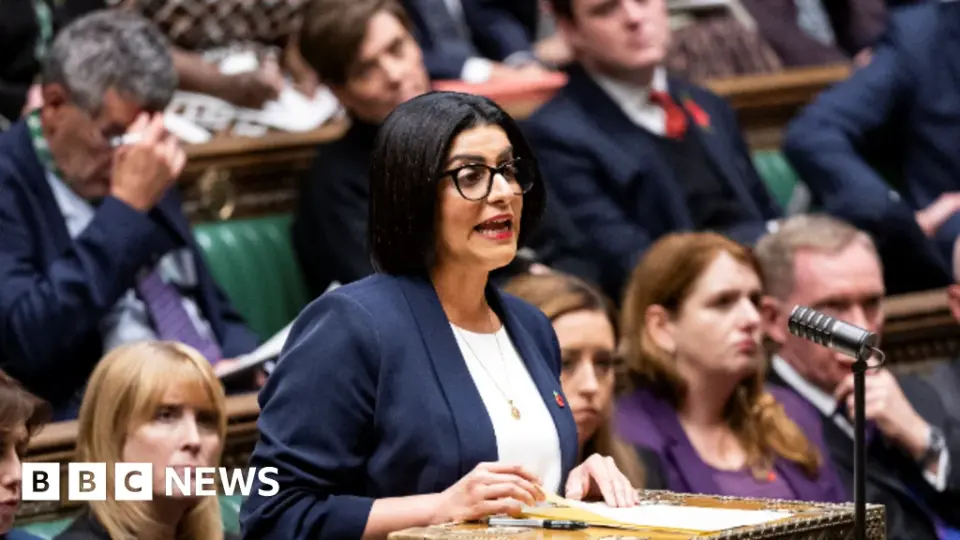
UK Home Secretary Shabana Mahmood announced revised rules for indefinite leave to remain (ILR), doubling the standard settlement wait from five to 10 years for most workers. While the government conceded to internal Labour pressure by exempting social care workers earning over £25,000 from a 15-year wait, the retrospective nature of the changes remains. The policy, which includes a 30-year wait for those entering illegally, faced criticism from opposition parties but was largely supported by the Labour cabinet.
Key points
- The standard qualifying period for ILR has increased from five to 10 years for most migrants.
- Social care workers earning at least £25,000 who arrived before May 2025 will retain the five-year settlement pathway.
- High earners above £50,271 and public service workers like doctors and teachers can settle after five years.
- Individuals who breached immigration rules face a 20-year wait, while those entering illegally may wait up to 30 years.
- The changes affect approximately 500,000 people, a reduction from the 800,000 impacted under the original plan.
Background
The announcement follows a consultation that received over 200,000 responses and significant internal debate within the Labour Party. Housing Secretary Angela Rayner had previously criticized the original 15-year wait for care workers and the retrospective application of rules as 'un-British.' The new framework aims to address concerns about fairness and complexity while maintaining stricter controls on migration, which has fallen significantly from its peak during the previous government.
How outlets are covering it
BBC reports that Labour MPs largely 'pulled their punches' in the Commons, with only mild criticism from figures like John McDonnell and Diane Abbott, while the government viewed the concession on care workers as a successful de-escalation. The Guardian, however, characterized the outcome as a 'people-pleasing' compromise, noting that Prime Minister Andy Burnham initially refused to endorse the changes before issuing a late statement of support. The outlet also highlighted the sharp criticism from Conservative shadow home secretary Chris Philp, who called the move a 'U-turn' and an 'open-doors policy.' Euronews focused on the technical details of the 'earned settlement model,' emphasizing the income thresholds and the strict waiting periods for those who entered the country clandestinely, while noting the political pressure from Reform UK to scrap ILR entirely.
Why it matters
The revised settlement rules represent a significant shift in UK immigration policy, prioritizing 'earned' status over time-based eligibility. By extending the wait for permanent residency, the government aims to tighten control over migration while attempting to balance political pressures from both the left and right. The outcome will determine the long-term residency rights of hundreds of thousands of workers and could influence future debates on labor shortages in sectors like social care and healthcare.
What to watch
The new rules are expected to come into effect next year. Home Secretary Shabana Mahmood will face continued scrutiny from opposition parties, particularly regarding the financial implications of the policy and the fairness of the retrospective changes. The government will also need to manage ongoing criticism from unions and constituents affected by the delayed settlement timelines, while monitoring the impact on net migration figures.
- Labour MPs pull their punches on immigration changes BBC
- Mahmood scraps settlement plans for migrant care workers BBC
- Half-witted at best, a people-pleaser at worst: step forward, Chris Philp | John Crace The Guardian
- UK exempts care workers from plan to impose long delays on immigrants seeking residence Reuters
- British government sets out tougher rules for migrants looking to settle in the UK Euronews.com
Want the full story? Read the original reporting
Read on BBC