
UK Pardons 150 Women for Historical Abortion Convictions Under New Crime Act
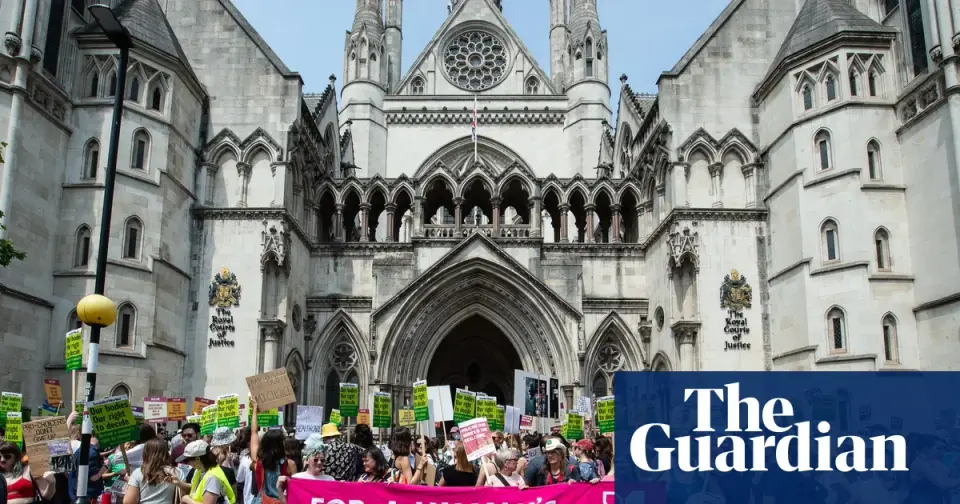
The UK government has officially pardoned approximately 150 women who were criminally investigated or convicted for ending their own pregnancies over the past 150 years. This action, mandated by section 242 of the Crime and Policing Act 2026, expunges their criminal records, allowing them to work and travel without restrictions. While the move is hailed as historic by campaigners and medical bodies, some affected women argue that a formal government apology is still necessary to address the lasting stigma and trauma they endured.
Key points
- The pardon takes effect on Monday, covering women investigated for abortion-related offenses in the last 150 years, with records deleted automatically by police and courts.
- Approximately 150 women are affected, including those prosecuted during the COVID-19 pandemic for obtaining medication online or via remote consultation.
- The legislation follows a House of Lords vote earlier this year and a House of Commons amendment to prevent future criminalization of women for self-induced terminations.
- Some women, such as Nicola Packer, were prosecuted after not realizing their pregnancies were beyond the 24-week legal limit, while others faced coercion from abusive partners.
- Victims report that the pardon removes barriers to employment but does not erase the psychological impact, public stigma, or loss of privacy experienced during their trials.
Background
This development follows broader trends in the UK regarding historical justice, such as recent petitions for posthumous pardons for women executed for witchcraft. It also aligns with global shifts toward recognizing reproductive rights, as seen in recent US elections where women secured historic political positions. The current action addresses Victorian-era legislation dating back to 1861, which previously criminalized women for ending pregnancies, a framework that persisted until recent legal reforms.
Why it matters
The pardon represents a significant shift in UK criminal justice, acknowledging that historical abortion laws caused profound harm to women. By expunging records, the state aims to restore opportunities for affected individuals, though critics note that legal clearance does not fully remedy the social and personal trauma inflicted by decades of criminalization.
What to watch
Police forces and courts will begin updating records in line with new requirements, described by the government as a priority. Affected women do not need to apply for the pardon, but can contact a dedicated casework team for information. The debate may continue regarding whether a formal government apology is required to fully address the injustices faced by these women.
Want the full story? Read the original reporting
Read on The Guardian