
Venezuela's Interim President Delcy Rodríguez Pledges Privatization and Wage Hikes to Break From Socialist Legacy
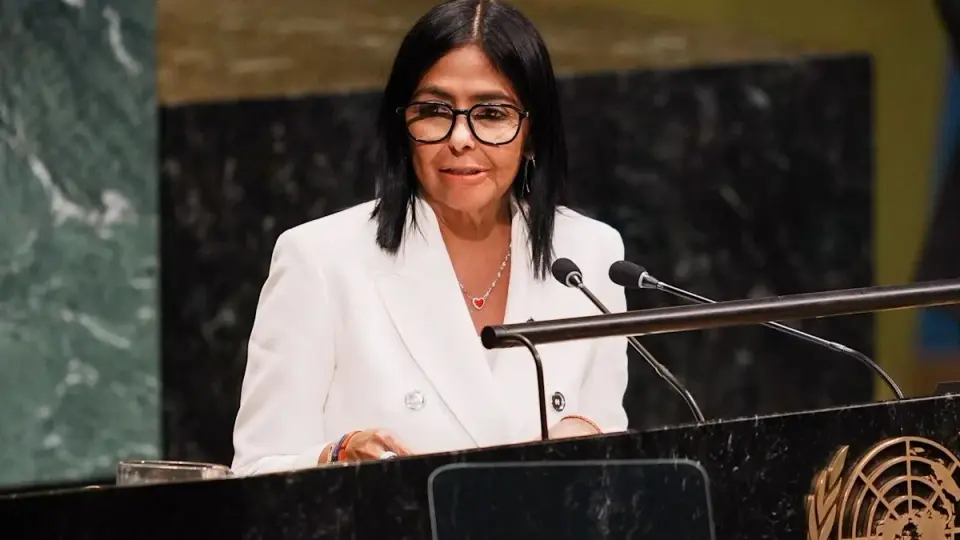
Interim Venezuelan President Delcy Rodríguez has announced a series of economic reforms aimed at liberalizing the economy and reversing the state control established during the eras of Hugo Chávez and Nicolás Maduro. Key measures include the potential privatization or return of state-held assets to former owners, four quarterly minimum wage increases in 2027, and promises of judicial and electoral reforms. These moves signal a significant departure from socialist policies and align with improved relations with the United States, though domestic skepticism persists regarding the government's ability to implement these changes.
Key points
- Rodríguez ordered an assessment of non-essential state assets to be offered to the private sector or returned to previous owners, citing constitutional protections for private property.
- The interim government pledged four quarterly increases to the national minimum wage in 2027, ensuring each raise matches or exceeds the previous quarter's economic growth.
- Rodríguez promised to hold elections managed by a new National Electoral Council, replacing the body criticized for fraud in the 2024 vote, and to guarantee the right to peaceful protest.
- The announcements follow a significant oil agreement signed in August between Caracas and Washington, granting a U.S.-led consortium long-term access to Venezuelan oilfields with approximately 65 billion barrels of proven reserves.
- Local journalist Julio Blanca expressed skepticism, noting that previous promises, such as the release of political prisoners, failed to materialize, with at least 300 people still detained.
Background
This shift follows the removal of Nicolás Maduro by the U.S. in January 2026 and the subsequent rise of Delcy Rodríguez to interim leadership. The current economic liberalization contrasts with the decades of state intervention under Chávez and Maduro, which included large-scale seizures of foreign and domestic assets. Additionally, the timing coincides with the return of opposition leader María Corina Machado from exile in late October 2026, which has complicated the U.S.-backed transition by introducing demands for immediate democratic elections rather than economic stabilization.
Why it matters
Rodríguez's policies represent a fundamental pivot away from the socialist model that defined Venezuela for over two decades, potentially attracting foreign investment and stabilizing the economy. However, the credibility of these reforms is tested by past failures in implementation and the political tensions arising from the return of opposition figures who demand democratic accountability alongside economic change.
What to watch
The government will proceed with the assessment of state assets for privatization or restitution and implement the scheduled minimum wage increases in 2027. The formation of a new National Electoral Council and the scheduling of elections will be critical next steps, while the government must navigate the political challenges posed by María Corina Machado's return and the ongoing detention of political prisoners.
Want the full story? Read the original reporting
Read on Yahoo