
Emirati Diplomat Lana Nusseibeh Faces Backlash and Fourth-Place Finish in UN Secretary-General Race
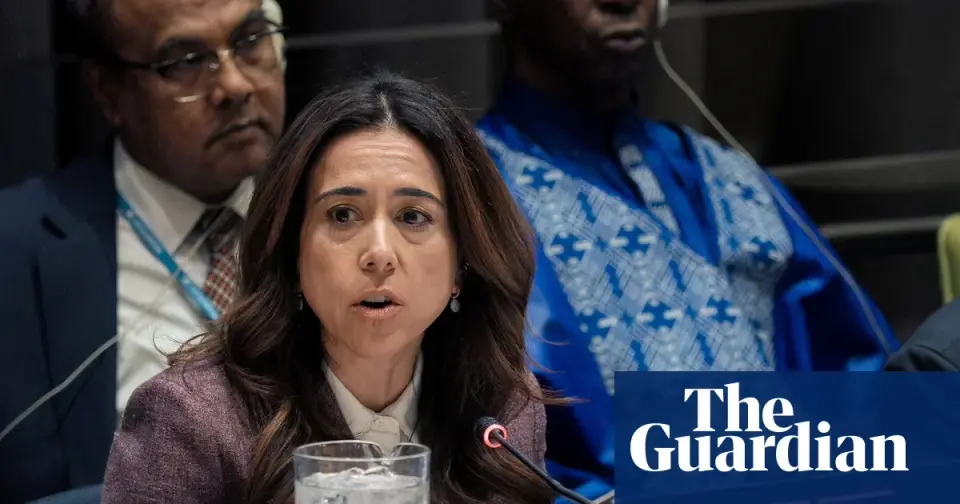
Emirati diplomat Lana Nusseibeh has faced intense criticism from human rights groups and Sudanese activists over her candidacy for UN Secretary-General, with critics citing her previous defense of UAE policies in Sudan. In a recent Security Council straw poll, she placed fourth with seven 'encourage' votes, behind Costa Rican candidate Rebeca Grynspan. While Nusseibeh has taken a leave of absence to ensure independence, opponents argue her past actions undermine UN credibility. The race remains gridlocked, with no candidate yet securing the nine affirmative votes and no vetoes required for selection.
Key points
- Lana Nusseibeh, nominated by the UAE, received seven 'encourage' votes in a Security Council straw poll, placing her fourth behind Rebeca Grynspan.
- Human rights groups and Sudanese diaspora members have denounced her candidacy, citing her past denial of UAE support for the Rapid Support Forces (RSF) in Sudan.
- Nusseibeh has taken a leave of absence from her UAE ministerial post to maintain independence, stating she would support UN fact-finding missions on the Sudan conflict.
- The UN Secretary-General race requires nine affirmative votes and no vetoes from the five permanent Security Council members.
- Critics, including former Human Rights Watch director Kenneth Roth, have called her 'completely unsuitable' due to her perceived lack of independence from UAE foreign policy.
Background
The UN Secretary-General race has been gridlocked, with previous candidates facing vetoes or insufficient support. The UAE's nomination of Nusseibeh upended the race, as she was a late entrant. The conflict in Sudan, involving the RSF and the Sudanese army, has been marked by atrocities, including an attack on El Fasher in October 2025 that the UN described as having 'hallmarks of genocide'. The UAE has faced accusations of supporting the RSF, which Nusseibeh has denied in her previous role as UAE representative to the UN.
How outlets are covering it
The Guardian and Middle East Eye highlight the strong opposition from human rights groups and Sudanese activists, who argue that Nusseibeh's candidacy would undermine UN credibility and deny accountability for atrocities in Sudan. Politico notes the diplomatic challenges, including the UAE's close ties with the US and the lack of a clear frontrunner in the race. The World Peace Foundation, through Alex de Waal, frames the debate around four foundational UN norms, questioning whether Nusseibeh can demonstrate independence from UAE policies that conflict with UN principles, particularly regarding financial transparency and the Genocide Convention. While all sources agree on the controversy surrounding her candidacy, they differ in emphasis: The Guardian and Middle East Eye focus on the moral and human rights implications, Politico on the geopolitical dynamics, and the World Peace Foundation on the broader implications for UN norms.
Why it matters
The selection of the next UN Secretary-General is critical for the organization's credibility and effectiveness, especially in addressing conflicts like the one in Sudan. Nusseibeh's candidacy highlights tensions between national interests and international impartiality, with critics arguing that her past actions undermine the UN's role in holding powerful states accountable. The outcome of the race could influence global perceptions of the UN's ability to address atrocities and promote justice.
What to watch
The next straw poll could take place as soon as Friday, but the format and timing are still being negotiated. The race remains gridlocked, with no candidate yet securing the nine affirmative votes required. Diplomats will continue to negotiate, and the outcome will depend on the positions of the five permanent Security Council members, who hold veto power.
- Sudanese diaspora and human rights groups denounce UAE nominee for UN top job The Guardian
- Sudan aims to sink UAE’s UN bid Politico
- Four Tests for Lana Nusseibeh World Peace Foundation
- Rights monitors raise concerns over senior UAE diplomat bid for next UN boss Reuters
- UAE candidate to head UN finishes fourth in first Security Council straw poll Middle East Eye
Want the full story? Read the original reporting
Read on The Guardian