
State Department Blunder: AI-Generated Map Misplaces Every African Nation at AIDS Summit
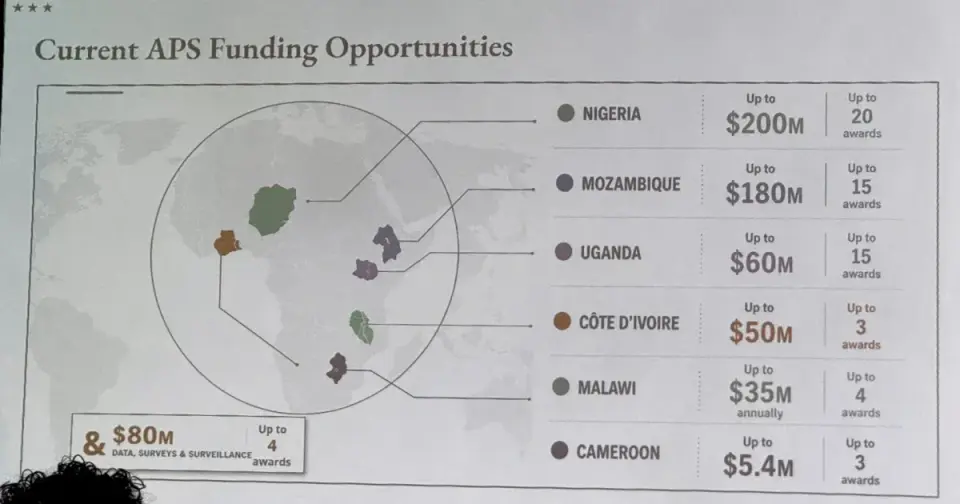
A U.S. State Department presentation at the AIDS 2026 conference in Rio de Janeiro featured a map of Africa that incorrectly labeled every country. The image, which contained an OpenAI watermark, depicted Nigeria as landlocked and misplaced nations like Mozambique and Ivory Coast. The department accepted responsibility, blaming a team member who hastily updated the slide deck. The error sparked online outrage and scrutiny regarding the administration’s handling of global health initiatives, even as core PEPFAR operations have largely resumed after a previous funding pause.
Key points
- A video of a State Department presentation at the AIDS 2026 conference in Rio de Janeiro revealed a map of Africa where every country was mislabeled or misplaced.
- The map showed Nigeria, where the U.S. has hundreds of troops, as a landlocked nation in the Sahara, while relocating Mozambique to the Horn of Africa and placing Ivory Coast on the opposite side of the continent.
- Reuters analysis identified an artificial intelligence watermark on the map, indicating it was created using OpenAI tools, which the company stated it was investigating.
- The State Department accepted full responsibility, stating a team member had hastily changed the slide deck before the event, and apologized for the misrepresentation to African partners.
- The error was highlighted by AIDS expert Emily Bass and geopolitical analyst Matt Petit, with screenshots garnering tens of thousands of views on social media platforms.
- Jeff Graham, the top U.S. health envoy overseeing PEPFAR, delivered the presentation but did not respond to requests for comment regarding the incident.
Background
This incident occurs amid ongoing scrutiny of U.S. global health policy. Earlier reports indicated that a previous pause in PEPFAR funding disrupted aid programs worldwide, though core drug distribution has largely resumed. Recent analyses suggest that current U.S. policy shifts are hampering HIV prevention efforts in dozens of countries, with warnings that reduced support could lead to over one million additional infections in South Africa over the next two decades. The map error adds to concerns about the administration’s attention to detail in international health diplomacy.
Why it matters
The blunder highlights potential risks associated with the use of artificial intelligence in high-stakes diplomatic presentations. Misrepresenting the geography of partner nations can undermine trust and signal a lack of respect for international relationships. Furthermore, the incident draws attention to the broader context of U.S. funding cuts for global health initiatives, raising questions about the sustainability of HIV prevention and treatment programs in Africa despite the resumption of core PEPFAR operations.
What to watch
OpenAI is investigating the use of its tools to generate the erroneous map. The State Department has apologized but maintains that the conference discussions were constructive. The U.S. government is expected to continue scaling back certain prevention and surveillance funding while fully phasing out PEPFAR in South Africa, a move that may face continued criticism from global health advocates.
Want the full story? Read the original reporting
Read on NBC News