
Ice-Free East Greenland Triggers Massive Whale Migration and Ecological Shift
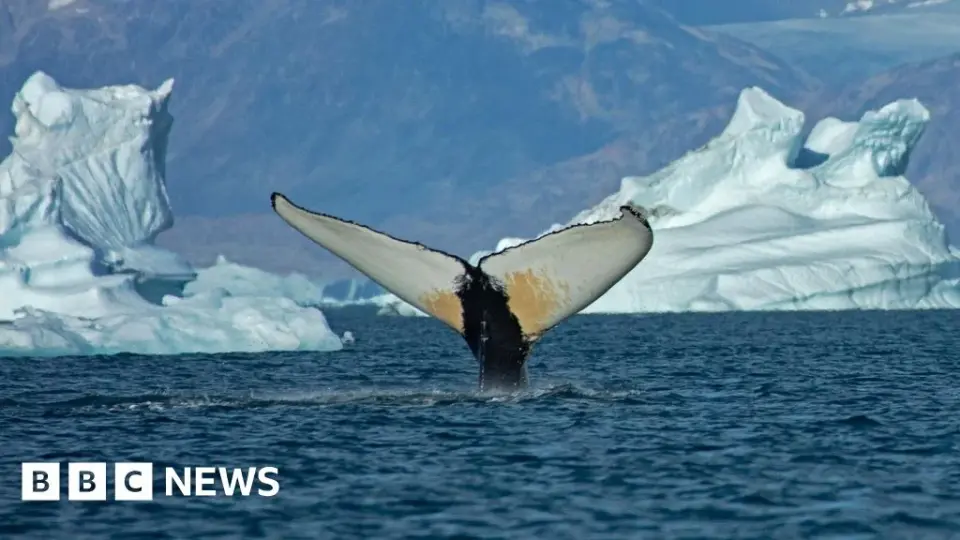
Decades-long research confirms that melting sea ice in East Greenland has allowed humpback, fin, and minke whales to colonize previously inaccessible coastal waters. By 2024, sightings of humpbacks surged from zero to 150, with an estimated 16,000 whales visiting the region to feed on fish and krill. This influx represents a major ecological regime shift, benefiting opportunistic species while potentially displacing Arctic natives like narwhals and belugas.
Key points
- Sea ice disappearance in East Greenland has opened coastal waters to giant baleen whales, including humpbacks, minke, and fin whales, which were historically excluded by ice cover.
- Ship-based surveys recorded no humpback whales in the region until 2006; by 2024, sightings reached 150, indicating a rapid population increase or redistribution.
- In summer 2024, an estimated 4,000 humpbacks, 6,000 fin whales, and 6,000 minke whales visited the Greenland Sea, consuming at least 800,000 tonnes of fish and krill.
- The study, published in Frontiers in Marine Science, combines aerial surveys, satellite tracking of 15 whales, and Inuit hunter testimony to document this 'major ecological regime shift.'
- While some whale species benefit from warming waters and new food sources, Arctic specialists like narwhals and belugas are losing habitat and may be displaced by the influx of larger whales.
Background
This development aligns with broader observations of Arctic environmental changes. In July 2026, a multinational team studied how melting ice sheets in Greenland could rewire North Atlantic currents, highlighting the interconnected nature of ice loss and ocean dynamics. Additionally, a massive ice island broke from Greenland's Petermann Glacier in August 2026, underscoring the accelerating pace of ice retreat that is now reshaping marine habitats. These events provide background to the current shift in whale distribution, as the loss of sea ice creates new opportunities for some species while threatening others.
Why it matters
The shift in whale distribution signals a fundamental change in Arctic ocean ecosystems driven by climate change. The influx of large baleen whales could alter food webs and compete with native species for resources. Understanding these dynamics is crucial for predicting future biodiversity changes and managing marine conservation efforts in the rapidly warming Arctic.
What to watch
Researchers will continue monitoring whale movements and population trends to determine if the influx reflects overall population growth or merely redistribution from other regions. Further studies will assess the long-term impact on Arctic species like narwhals and belugas, as well as the broader ecological consequences of changing food availability and habitat competition.
Want the full story? Read the original reporting
Read on BBC