
Volcanologist warns Canary Islands flank collapse could trigger transatlantic megatsunami
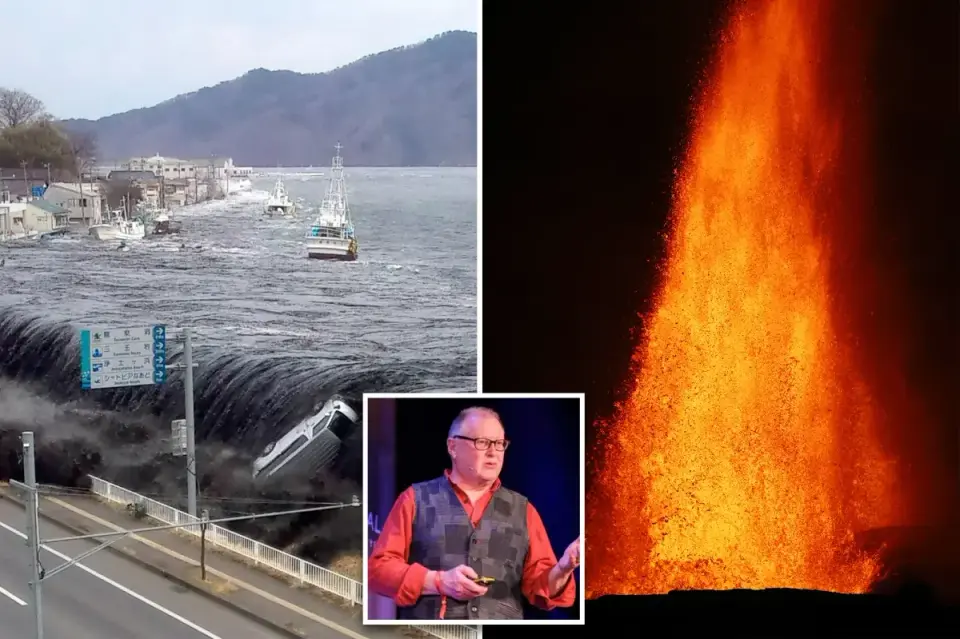
Volcanologist Bill McGuire warns that a slow-moving rock flank in Spain’s Canary Islands could eventually collapse into the Atlantic, generating a megatsunami that might reach the US East Coast within nine hours. While simulations suggest waves up to 65 feet high, experts emphasize the event is not imminent and could take centuries or millennia to occur.
Key points
- Professor Bill McGuire, a volcanologist, published a warning in BBC Science Focus regarding the stability of Cumbre Vieja in the Canary Islands.
- The concern centers on a massive rock flank slowly moving toward the sea, which could displace a significant volume of water if it collapses.
- McGuire’s computer simulations indicate that a collapse could generate waves up to 65 feet high, potentially reaching the US Eastern Seaboard within nine hours.
- Researchers cite large boulders found in the Bahamas as physical evidence that prehistoric Canary Island tsunamis have crossed the Atlantic.
- Experts stress that while the potential impact is severe, the collapse is not imminent and may not happen for centuries or even millennia.
Background
Recent coverage of Spain has focused on other crises, including a fatal train collision in October that killed 69 people and heightened scrutiny of infrastructure safety. Additionally, US intelligence has warned of potential Russian drone strikes in southern Europe, though no direct link exists between these events and the volcanic risk. The current warning adds to broader concerns about geological stability in the region.
Why it matters
The warning highlights a long-term geological risk to the US East Coast, emphasizing that while the event is not imminent, the potential for catastrophic damage underscores the need for ongoing monitoring and preparedness. It also illustrates how scientific debates about disaster scenarios can influence public perception of risk.
What to watch
Scientists will continue monitoring the movement of the Canary Islands flank, though no immediate action is expected. McGuire and other researchers will likely publish further studies to refine timelines and impact assessments, but the consensus remains that the event is not imminent.
Want the full story? Read the original reporting
Read on New York Post