Tag

Durupinar Formation

All articles tagged with #durupinar formation

Turkish researchers recover charred wood from Durupınar site, but carbon dating remains pending
science-and-archaeology13 days ago

Turkish researchers recover charred wood from Durupınar site, but carbon dating remains pending

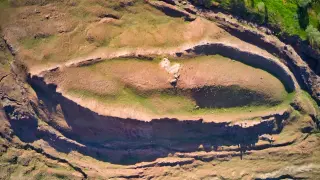
A university-backed team in Turkey has recovered charred wood fragments from approximately 30 feet beneath the Durupınar Formation, a boat-shaped structure near Mount Ararat long debated as the resting place of Noah’s Ark. While radar scans suggest organized chambers and a three-level structure, experts emphasize that laboratory tests for age and species are still underway, and the fragments have not yet been independently linked to the biblical vessel.
Durupınar excavation yields charred wood, but carbon dating pending
science-and-religion26 days ago

Durupınar excavation yields charred wood, but carbon dating pending

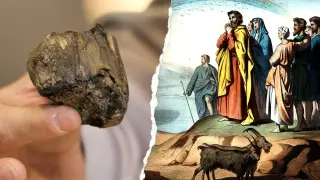
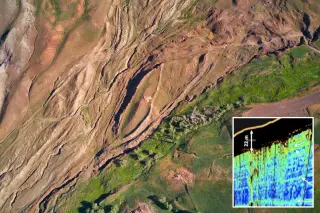
Researchers at the Durupınar Formation in eastern Turkey have recovered charred wood fragments from approximately 30 feet underground, a development they claim supports the hypothesis that the site is the biblical Ark. The wood has been sent for carbon-14 dating and species identification, with results expected from laboratories in Turkey and France. While proponents argue the absence of bedrock and radar-detected chambers indicate a man-made structure, critics maintain the formation is a natural geological feature. No definitive proof has yet been published, and the project awaits laboratory analysis to determine the age and origin of the recovered materials.

Turkish Drilling Yields No Bedrock at Contested Noah's Ark Site
science-and-religion1 month ago

Turkish Drilling Yields No Bedrock at Contested Noah's Ark Site

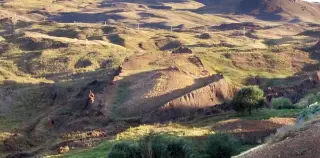
A new field season at the Durupınar formation in eastern Turkey has intensified the debate over whether the site is a natural rock structure or the remains of Noah’s Ark. Researchers from Sivas Cumhuriyet University and Noah’s Ark Scans drilled over 60 feet into the site, collecting more than 300 soil samples. Preliminary reports indicate the absence of solid bedrock, with drilling encountering mainly soil and boulders. While some claim radar scans reveal man-made structures, official university statements emphasize that laboratory analysis is still underway and results are inconclusive. The findings challenge previous geological assessments that identified the site as a natural limestone formation, but no definitive proof of a man-made vessel has been confirmed.