
French Navy Sonar Sweep Uncovers Deepest Shipwreck in French Waters
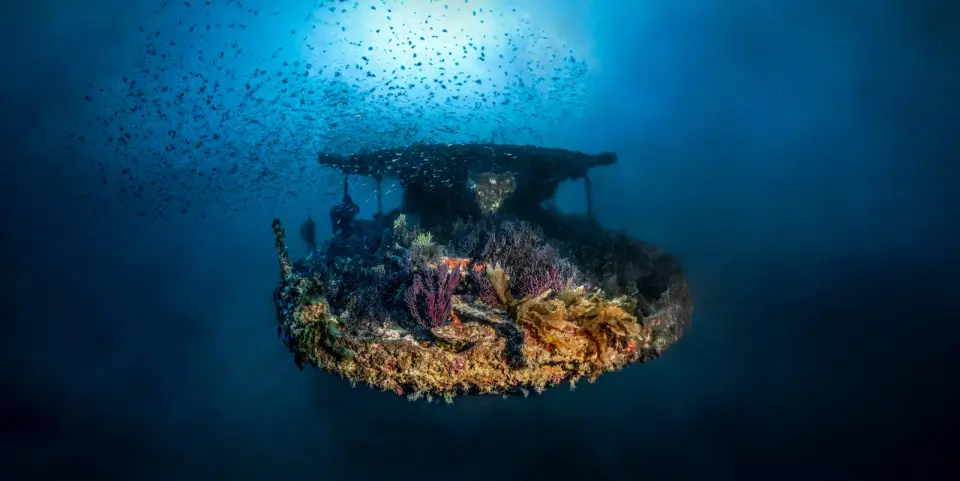
A routine sonar survey by the French Navy led to the accidental discovery of a 16th-century merchant shipwreck at 8,200 feet depth, the deepest ever found in French territorial waters. Located off Ramatuelle, the well-preserved vessel contains hundreds of ceramic pitchers and other artifacts, offering a unique opportunity for deep-sea archaeological study.
Key points
- The wreck, designated Camarat 4, was discovered during a 2025 routine military seabed inspection off the coast of Ramatuelle, France.
- Located at a depth of 8,200 feet (approximately 2,500 meters), it is the deepest shipwreck ever recorded in French waters.
- The vessel is estimated to be over 98 feet long and 23 feet wide, likely a 16th-century merchant ship.
- The cargo includes at least 200 earthenware pitchers with the 'IHS' monogram, 100 yellow plates, anchors, cannons, and cauldrons.
- The extreme depth has preserved the site from looting and salvage, allowing for detailed photogrammetry and future artifact sampling.
Background
This discovery follows a trend of significant maritime finds in the Mediterranean, such as the 2,000-year-old Roman shipwreck found off Sicily in August 2026. While that wreck was found at a much shallower depth of 46 meters, the Camarat 4 wreck highlights the potential for finding well-preserved historical sites in deep-water environments that were previously inaccessible to divers and looters.
Why it matters
The discovery of Camarat 4 provides a rare, undisturbed snapshot of 16th-century maritime trade and craftsmanship. The intact cargo, particularly the Ligurian-style ceramics, offers historians and archaeologists a unique chance to study trade routes, manufacturing techniques, and daily life from the era without the interference of centuries of looting or salvage operations.
What to watch
French authorities plan to create a digital 3D model of the wreck and conduct targeted sampling of artifacts. A panel of experts will oversee comprehensive photogrammetry and further investigation of the site's surroundings to fully document the historical significance of the find.
Want the full story? Read the original reporting
Read on AOL.com