
AI unlocks 2,000-year-old Herculaneum scrolls, hinting at a Stoic work
TL;DR
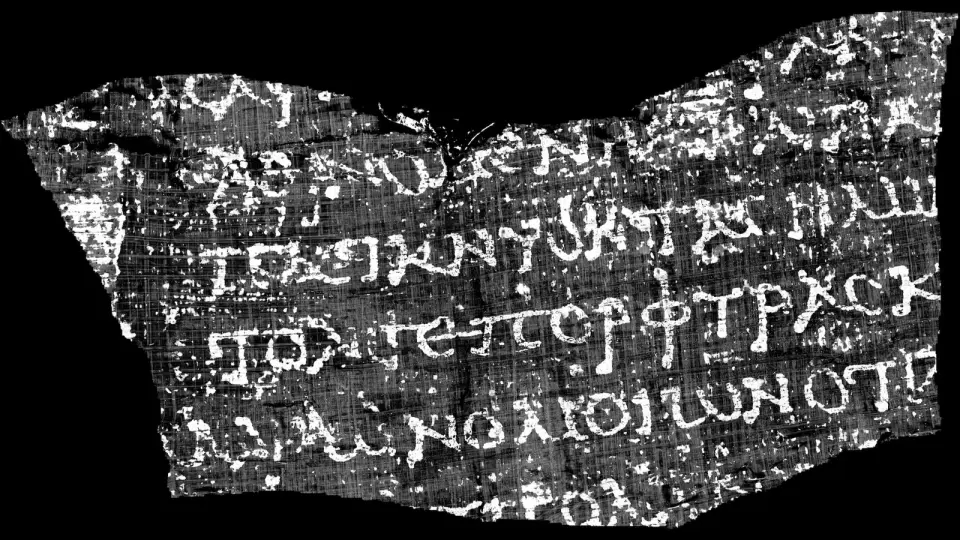
Researchers from the Vesuvius Challenge digitally unwrapped two Herculaneum scrolls (PHerc. 1667 and PHerc. 172) using high‑resolution imaging and AI, revealing about 5 feet of Greek text across 20 columns on PHerc. 1667 and more than 70 columns from PHerc. 172. The deciphered passages appear to be a Stoic treatise on ethics and behavior, possibly referencing Aristocreon, the nephew of Chrysippus, and date to the 2nd–3rd century BCE—well earlier than Philodemus. This breakthrough, achieved with synchrotron imaging and papyrologist analysis, marks a milestone in reading carbonized scrolls and hints at many more unread texts among the roughly 600 unopened Herculaneum scrolls.
Topics:worldscience#ai-deciphering#aristocreon#herculaneum-scrolls#science#stoicism#vesuvius-challenge
- 2,000-year-old scrolls buried by Mount Vesuvius eruption finally deciphered with help from AI Live Science
- Papyrus scroll burnt to a crisp during Vesuvius eruption deciphered with help of AI CNN
- The Herculaneum scrolls are starting to be read The Economist
- Scientists Have Deciphered the Surviving Fragments of a 2,000-Year-Old Philosophical Treatise Frozen in Time by Mount Vesuvius' Eruption Smithsonian Magazine
- AI helps read papyrus scroll burnt to crisp during Vesuvius eruption | AI (artificial intelligence) The Guardian
Want the full story? Read the original reporting
Read on Live Science