Tag

Vesuvius Challenge

All articles tagged with #vesuvius challenge

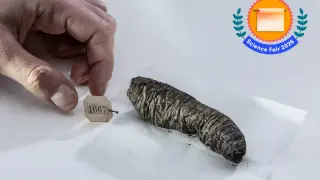
AI unlocks 2,000-year-old Herculaneum scrolls, hinting at a Stoic work
science15 days ago

AI unlocks 2,000-year-old Herculaneum scrolls, hinting at a Stoic work

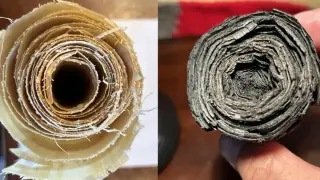
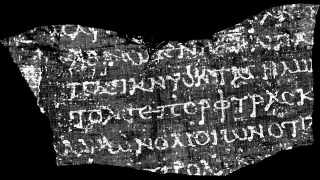
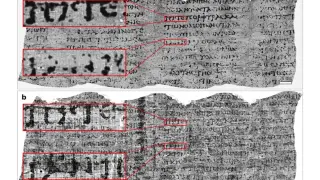
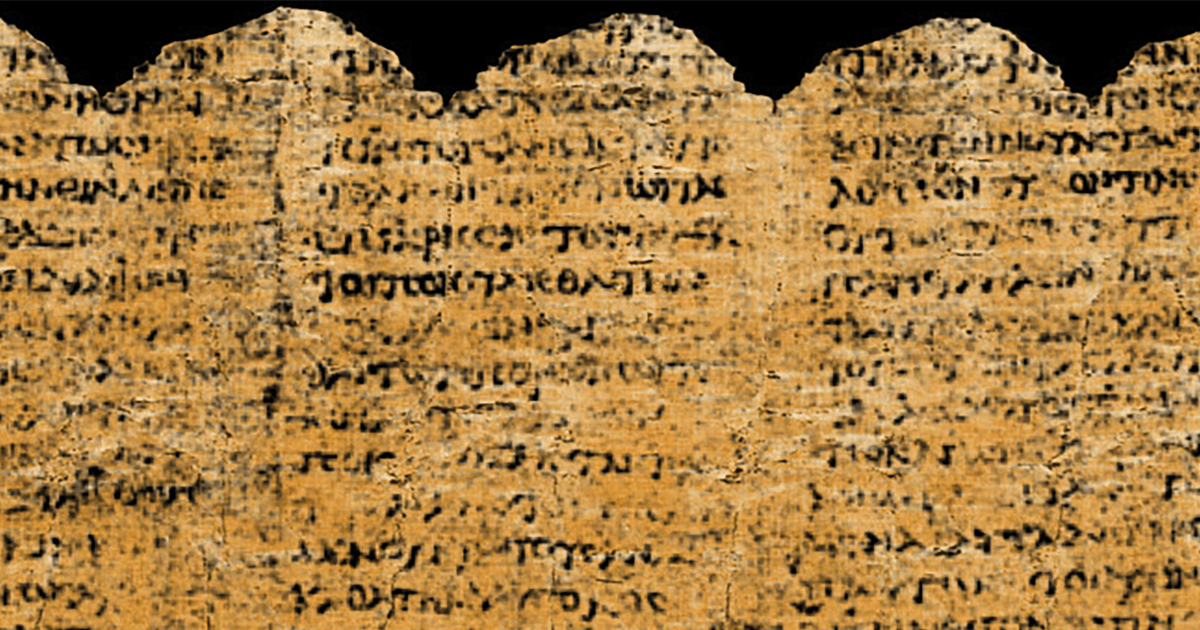
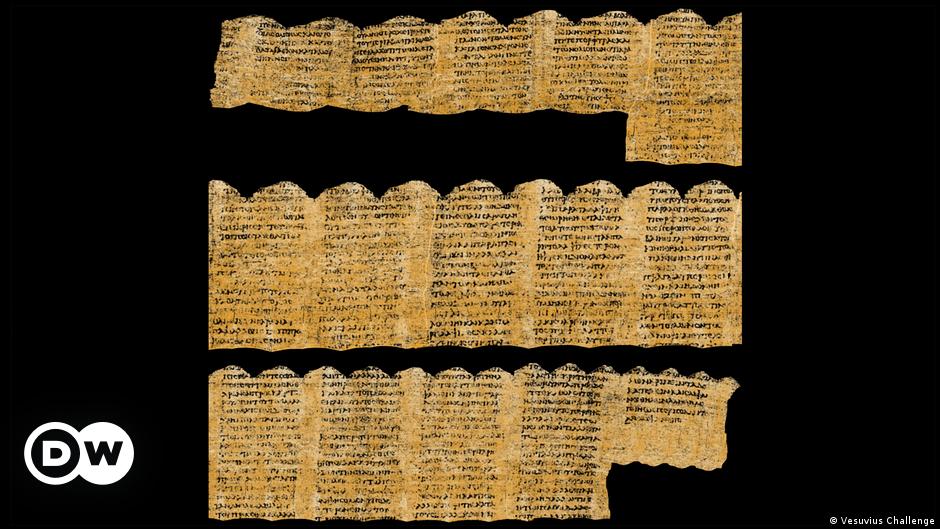
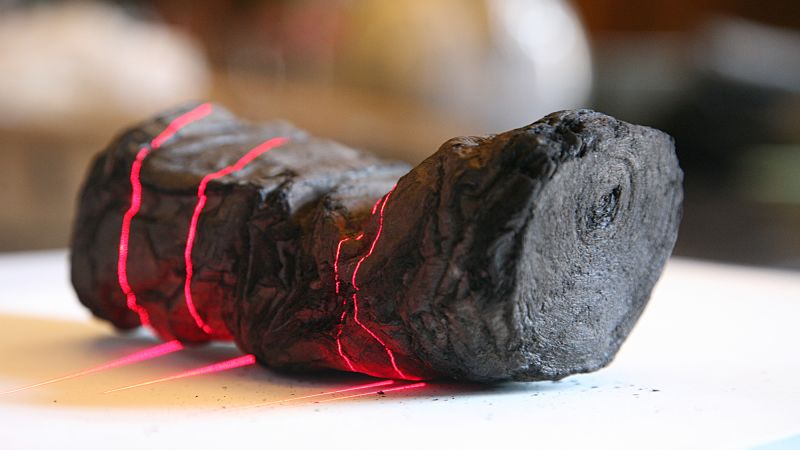
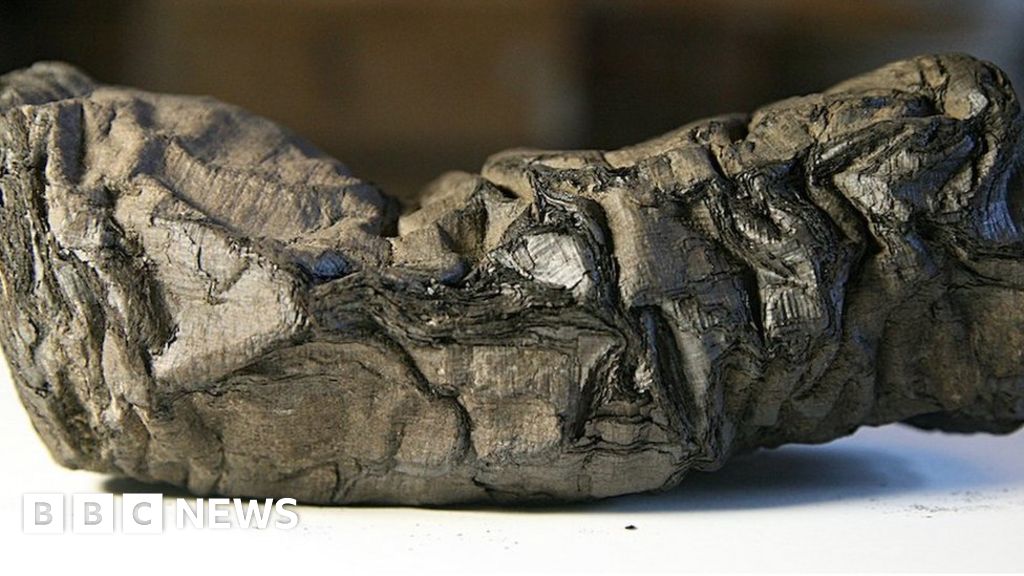
Researchers from the Vesuvius Challenge digitally unwrapped two Herculaneum scrolls (PHerc. 1667 and PHerc. 172) using high‑resolution imaging and AI, revealing about 5 feet of Greek text across 20 columns on PHerc. 1667 and more than 70 columns from PHerc. 172. The deciphered passages appear to be a Stoic treatise on ethics and behavior, possibly referencing Aristocreon, the nephew of Chrysippus, and date to the 2nd–3rd century BCE—well earlier than Philodemus. This breakthrough, achieved with synchrotron imaging and papyrologist analysis, marks a milestone in reading carbonized scrolls and hints at many more unread texts among the roughly 600 unopened Herculaneum scrolls.

Non-Invasive Read: Scientists Decode a Charred Herculaneum Scroll in Full
science16 days ago

Non-Invasive Read: Scientists Decode a Charred Herculaneum Scroll in Full

Researchers achieved the first full non‑invasive read of the PHerc.1667 Herculaneum scroll via high‑resolution X‑ray scanning, virtual flattening, and machine‑learning ink amplification, enabling papyrologists to transcribe a likely Stoic ethics treatise without unwrapping the carbonized scroll—a milestone in the Vesuvius Challenge for extracting text from ancient artifacts.

AI unrolls a 2,000-year-old Herculaneum scroll, revealing Stoic texts
science18 days ago

AI unrolls a 2,000-year-old Herculaneum scroll, revealing Stoic texts

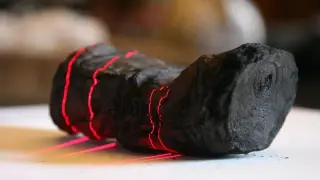
A carbonized papyrus scroll from Herculaneum, PHerc. 1667, has been virtually unwrapped and partially deciphered using AI and CT scans as part of the Vesuvius Challenge. Researchers were able to reveal almost 1.5 meters (4.9 feet) of text across 20 columns, dating to the 2nd–3rd centuries BC and likely containing Stoic ethical discussions. The breakthrough, led by Brent Seales and collaborators, marks the first time such a scroll has been read without destructive physical unrolling, offering new insights into ancient philosophy and the scrolls’ history (including references to Philodemus).

AI unlocks new lines from ancient Herculaneum scrolls scorched by Vesuvius
science19 days ago

AI unlocks new lines from ancient Herculaneum scrolls scorched by Vesuvius

Researchers have used machine-learning and high-resolution imaging to read roughly five feet of text from carbonized Herculaneum scrolls torched by Mount Vesuvius, including newly uncovered passages from Philodemus’s On Gods, in a project tied to the Vesuvius Challenge that aims to reveal more hidden writings without damaging the fragile manuscripts.

"AI Unlocks 2,000-Year-Old Secrets from Ancient Scrolls"
technology2 years ago

"AI Unlocks 2,000-Year-Old Secrets from Ancient Scrolls"

Three students won the Vesuvius Challenge and a $700,000 prize for using AI to translate previously unreadable text from the Herculaneum papyri, buried during the eruption of Mt. Vesuvius. The passages they uncovered discuss "how to enjoy life's pleasures." The competition aims to decode the ancient scrolls, and the founders hope to eventually read the entirety of all 800 scrolls using AI and machine learning.

"AI Deciphers Ancient Herculaneum Scrolls After 2,000 Years"
archaeology2 years ago

"AI Deciphers Ancient Herculaneum Scrolls After 2,000 Years"

Archeologists have used artificial intelligence to decipher some of the ancient text from the Herculaneum papyri, a collection of around 1,000 scrolls carbonized during the eruption of Mount Vesuvius in A.D. 79. A global competition, the Vesuvius Challenge, offered $1 million in prizes to anyone who could find a way to read the remaining closed scrolls, most of which are preserved in a library in Naples. A team of three students won the $700,000 grand prize after training machine-learning algorithms on scans and were able to read 2,000 letters from the scroll, revealing new text from the ancient world that has never been seen before. This breakthrough has been hailed as revolutionary by experts in the field.

"AI Deciphers 2,000-Year-Old Herculaneum Scrolls for the First Time"
science-and-technology2 years ago

"AI Deciphers 2,000-Year-Old Herculaneum Scrolls for the First Time"

Three young scientists have won the grand prize in the Vesuvius Challenge for using machine learning to decipher previously unreadable passages on Herculaneum scrolls, which were buried by the eruption of Mount Vesuvius 2,000 years ago. By digitally "unwrapping" the scrolls using computed tomography and machine-learning technology, they were able to read four passages without unrolling the fragile documents, revealing unknown texts by Philodemus, the villa's philosopher-in-residence. This breakthrough provides a unique window into the classical world and sets the stage for further discoveries in 2024.

"AI Deciphers Full Passages of Ancient Herculaneum Scrolls Buried by Mount Vesuvius"
science-and-technology2 years ago

"AI Deciphers Full Passages of Ancient Herculaneum Scrolls Buried by Mount Vesuvius"

Researchers have used artificial intelligence to decipher nearly complete passages from the famously inscrutable Herculaneum scrolls, shedding light on ancient philosophy from almost 2,000 years ago. By employing computer technology and advanced AI, more than 2,000 characters have been deciphered from a scroll without unrolling and risking damage to the extremely fragile documents. The team of researchers, winners of the Vesuvius Challenge, uncovered the text using a technique known as "virtual unwrapping" and hope to decipher almost an entire scroll this year, with a new grand prize contest offering a cash prize for the first team that can decipher at least 90% of all four scrolls released on the contest's website.

"AI Deciphers 2000-Year-Old Herculaneum Scroll Owned by Caesar's Family"
science-and-technology2 years ago

"AI Deciphers 2000-Year-Old Herculaneum Scroll Owned by Caesar's Family"

Three students have won a $700,000 prize for using AI to decipher a 2,000-year-old scroll charred during the Mount Vesuvius eruption in 79AD, believed to have belonged to Julius Caesar's father-in-law and discussing music and food. The breakthrough is considered a "revolution" in Greek philosophy, as the AI model has deciphered 5% of the text, revealing discussions on the sources of pleasure in life. The team behind the Vesuvius Challenge aims to use this technology to eventually read all 800 scrolls discovered in the Roman town of Herculaneum.

"Unveiling Ancient Secrets: NVIDIA GPUs Decode Roman Scrolls"
technology2 years ago

"Unveiling Ancient Secrets: NVIDIA GPUs Decode Roman Scrolls"

A computer science student used an NVIDIA GeForce GTX 1070 GPU to decipher a single word from the heavily charred Herculaneum scrolls, earning him $40,000 in the Vesuvius Challenge organized by GitHub CEO Nat Friedman. The AI model trained on the GPU detected "crackle patterns" to reveal the word πορφυρας (or porphyras), meaning "purple" or purple dye used in clothing. The next challenge is to find passages that are 144 characters long, with a prize of $700,000 for retrieving four distinct passages.