
Kent homeowner’s 2019 renovation uncovers Anglo-Saxon remains, leading to 2026 church burial
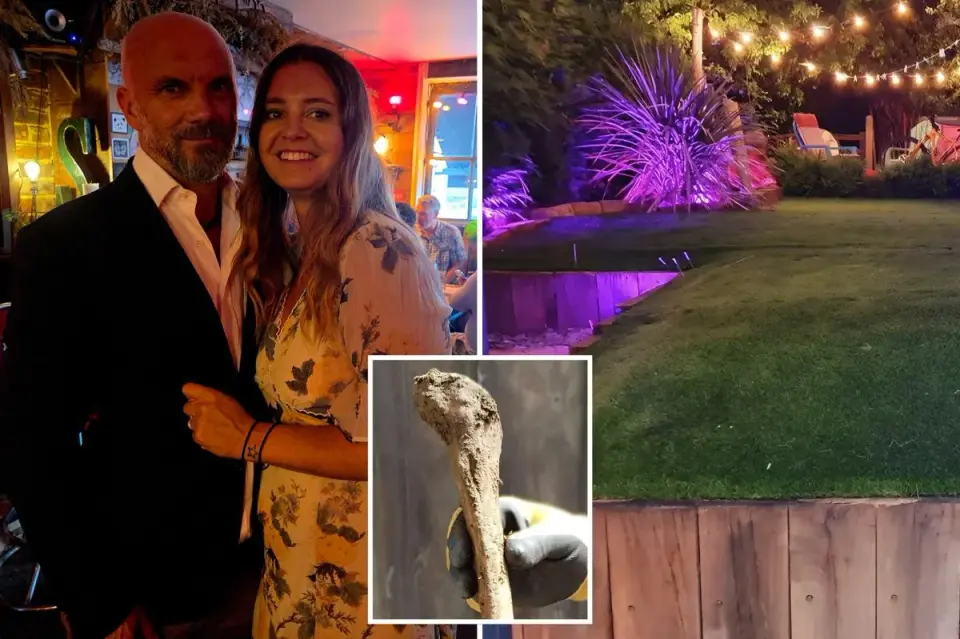
In August 2026, Anglo-Saxon human remains discovered during a 2019 kitchen renovation in Wye, Kent, were formally re-interred at a local church. The bones, initially mistaken for animal remains, triggered a police investigation before being identified as approximately 1,000 years old. The homeowner, Ross Sledger, described the ordeal as a 'crime scene' that disrupted his renovation plans and sleep, but ultimately resulted in a respectful burial ceremony.
Key points
- Ross Sledger, 49, was at work in spring 2019 when a builder found bones during a kitchen addition at his home in Wye, Kent.
- Sledger initially assumed the bones belonged to a farm animal or pet, but they were later identified as human remains.
- Police investigated the site, deploying about 10 officers and finding a second set of remains, including a femur, two skulls, ribs, and other fragments.
- Specialists confirmed the remains were ancient, dating back roughly 1,000 years to the Anglo-Saxon period, not a modern crime.
- The remains were transferred to a historical society and then to a local vicar, with the final re-interment ceremony held in August 2026 at St Gregory & St Martin Church.
- Sledger noted that the discovery caused significant disruption, including overnight police presence and further bone fragments found while installing artificial grass later on.
Background
This discovery highlights the frequent intersection of modern home renovations and historical archaeology in the United Kingdom. While our archive notes other recent finds, such as a Denisovan arm bone in China and modified sloth bones in Brazil, the Wye case is unique for its domestic setting and the subsequent police response. The timeline spans from the initial 2019 discovery to the 2026 burial, illustrating the bureaucratic and logistical delays often involved in repatriating and re-burying unidentifiable ancient remains.
Why it matters
The case underscores the legal and logistical complexities homeowners face when uncovering human remains, even when they are ancient. It also highlights the role of local communities and religious institutions in providing final resting places for unidentified historical individuals, turning a potential criminal investigation into a respectful historical commemoration.
What to watch
The remains are now permanently buried at the local church, concluding the multi-year process. Sledger’s renovation project, which was delayed by the discovery and subsequent investigations, has likely resumed or completed, though no further updates on the kitchen addition were provided in the source.
Want the full story? Read the original reporting
Read on nypost.com