
Ancient Indonesian Teeth Reveal 25,000-Year-Old Betel Nut Habit
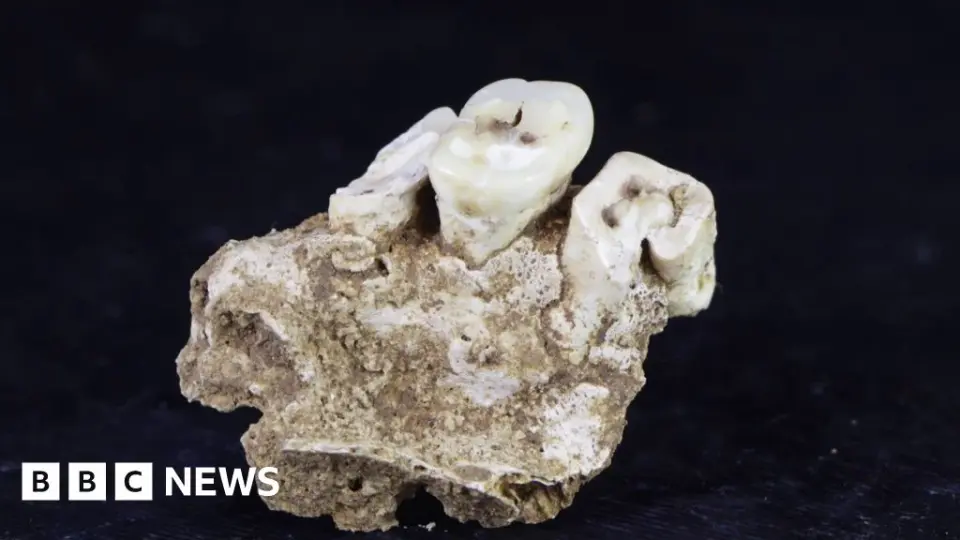
New research published in Science Advances suggests humans used psychoactive substances 25,000 years ago, far earlier than previously believed. Researchers from Griffith University analyzed skeletal remains from Sulawesi, Indonesia, finding deep, rounded grooves in the teeth of two ancient foragers. These patterns, dated between 16,000 and 25,000 years ago and 6,300 to 7,600 years ago, indicate habitual sucking on whole betel nuts. This practice predates the advent of farming and fermented alcohol by millennia, challenging the theory that drug use began with agriculture. The findings suggest modern chewing habits evolved from ancient forager traditions, with betel nuts remaining the world's fourth most popular psychoactive substance today.
Key points
- Skeletal remains from Sulawesi, Indonesia, show dental wear consistent with sucking whole betel nuts.
- The oldest specimen dates to 16,000-25,000 years ago, pushing the timeline of drug use back 12,000 years.
- Researchers confirmed that sucking whole nuts releases enough arecoline to alter brain function.
- The practice likely started as a remedy for toothache but led to severe, self-perpetuating dental damage.
- Betel nuts are currently chewed by approximately 10% of the global population.
Background
Previous archaeological consensus placed the origins of habitual drug use around 13,000 years ago, linked to the fermentation of alcohol in the Neolithic period. Earlier evidence of psychoactive use included 8,000-year-old coca leaf chewing in Peru. Recent studies on Neanderthal ranges and ancient human behaviors have expanded our understanding of prehistoric human adaptability, but this finding specifically addresses the timeline of substance addiction in Homo sapiens.
How outlets are covering it
BBC and The Guardian emphasize the significance of the 25,000-year timeline as the earliest evidence of drug use globally. The New York Times highlights the specific dental evidence from Sulawesi. New Scientist provides a detailed mechanism, suggesting the habit may have started as a pain remedy that caused addiction. All sources agree on the Griffith University team's findings but differ in emphasis: BBC focuses on the 'earliest evidence' claim, while New Scientist details the experimental validation using artificial saliva and brain receptors.
Why it matters
This discovery reshapes the history of human psychoactive substance use, indicating that drug-taking is a deep-rooted forager tradition rather than a post-agricultural development. It provides direct archaeological evidence of addiction behaviors in prehistoric humans and explains the origins of a practice still widespread in Asia today.
What to watch
Researchers will continue to analyze the chemical residues on ancient teeth to confirm the presence of arecoline. Further excavations in Southeast Asia may reveal more evidence of early psychoactive plant use, potentially pushing the timeline even further back.
- Drug use may have begun 25,000 years ago, new research finds BBC
- Scientists Discover the Earliest Evidence of Drug Use in Really Old Teeth The New York Times
- Indonesian foragers may have sucked on mind-altering nuts 25,000 years ago, research finds The Guardian
- Earliest evidence of habitual drug use found in teeth in Indonesia New Scientist
- Ice Age origins of one of humanity's oldest drug habits discovered Phys.org
Want the full story? Read the original reporting
Read on BBC