
Emotional Bias in Science: Why Researchers Ignore the Majority of Animal Species
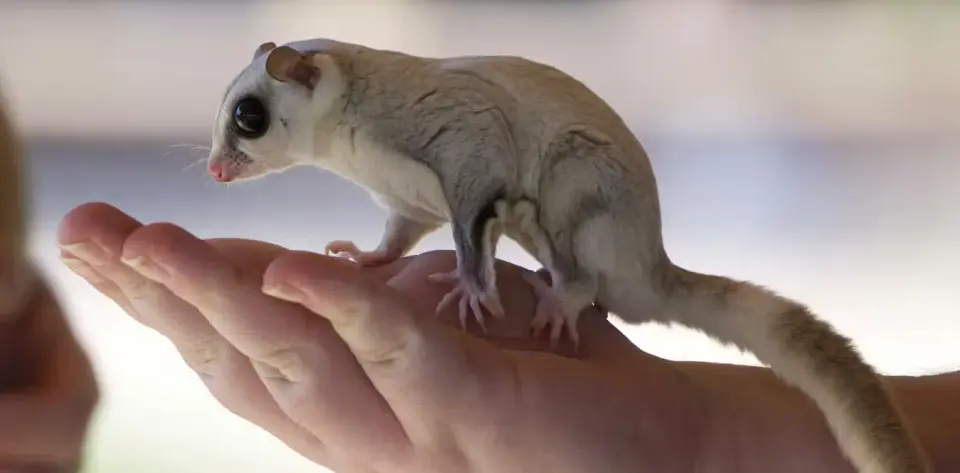
A new study reveals that scientists disproportionately research vertebrates like birds and mammals, ignoring invertebrates which make up 95% of animal species. This bias is driven by emotional attachment and societal perceptions of 'cuteness' rather than scientific utility or ease of study. The resulting knowledge gap risks missing critical medical and ecological discoveries from neglected species.
Key points
- Analysis of 1.4 million articles shows over 50% focus on vertebrates, despite them comprising only 5% of animal species.
- A survey of 868 researchers found that emotional fondness, not logistical ease, drives the choice of study organisms.
- Research on fish increased from 35.8% to 49.7% of marine biology articles between 2001 and 2025, crowding out invertebrates.
- Neglected groups like invertebrates hold potential for medical breakthroughs, such as pain-relieving drugs from snake and spider toxins.
- The bias is self-perpetuating: familiarity with a species increases appreciation, which leads to more research on that species.
Background
This issue of taxonomic bias has been identified for over two decades, but recent data indicates the disparity has worsened. While previous discussions focused on the general underrepresentation of invertebrates, this new study provides granular data on the psychological and institutional mechanisms sustaining the bias. It builds on earlier concerns about biodiversity loss, noting that many insect species may go extinct before being scientifically described due to this research imbalance.
How outlets are covering it
The Conversation emphasizes the role of social media and news coverage in reinforcing public and scientific preferences for charismatic animals. Inceptive Mind highlights the potential for missed discoveries, quoting researcher Pietro Pollo on the danger of ignoring 'uncute' organisms. bioengineer.org provides the most technical perspective, detailing the survey methodology and arguing that the 'model organism' label should be abolished because it rewards arbitrary status rather than scientific value. While all sources agree on the existence of the bias, bioengineer.org uniquely points out that popular mammals are often perceived as harder to study than neglected invertebrates, contradicting the assumption that bias is driven by convenience.
Why it matters
The bias creates a 'taxonomic bias vortex' where lack of data on invertebrates leads to the false impression that they are less important, resulting in underfunding and conservation neglect. This hampers the development of generalizable ecological theories and risks losing potential medical applications derived from overlooked species. As biodiversity declines, the inability to understand the majority of animal species threatens both ecosystem stability and human innovation.
What to watch
Researchers recommend that institutions diversify the taxonomic experience of senior faculty and that funding bodies prioritize grants for neglected taxa. The study suggests that early education and outreach programs can shift societal perceptions, while citizen science and tracking technologies can facilitate research on less popular species. Immediate action is needed to prevent the loss of undiscovered species and their potential benefits to humanity.
- There’s a hidden bias affecting what we know – and don’t know – about nature The Conversation
- Researchers are ignoring most living things: Analysis finds vertebrates dominate biodiversity research Phys.org
- Scientists’ preferences may hold back animal science discoveries, per a study Inceptive Mind
- Why Ecologists Fall in Love With the Animals They Study bioengineer.org
- Researchers are ignoring most living things Scimex
Want the full story? Read the original reporting
Read on The Conversation