Tag

Invertebrates

All articles tagged with #invertebrates

Spiders Exhibit REM Rebound, Confirming Deep Evolutionary Roots of Sleep
science28 days ago

Spiders Exhibit REM Rebound, Confirming Deep Evolutionary Roots of Sleep

Researchers at the University of Bonn have provided the first evidence of REM rebound in an invertebrate, using the fringed jumping spider (Portia fimbriata). By disrupting the spiders' sleep with fruit flies, they observed an 80% increase in REM-like behavior the following night. This confirms that spiders possess a regulated, multi-stage sleep cycle similar to vertebrates, suggesting that complex sleep mechanisms have deep evolutionary roots spanning over 500 million years.

Emotional Bias in Science: Why Researchers Ignore the Majority of Animal Species
science1 month ago

Emotional Bias in Science: Why Researchers Ignore the Majority of Animal Species

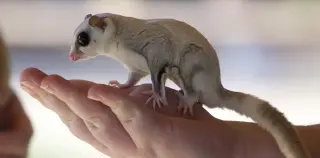
A new study reveals that scientists disproportionately research vertebrates like birds and mammals, ignoring invertebrates which make up 95% of animal species. This bias is driven by emotional attachment and societal perceptions of 'cuteness' rather than scientific utility or ease of study. The resulting knowledge gap risks missing critical medical and ecological discoveries from neglected species.

Bootlace Worm: The 55-Metre Marine Predator with Toxic Slime
science3 months ago

Bootlace Worm: The 55-Metre Marine Predator with Toxic Slime

The bootlace worm, Lineus longissimus, is a marine invertebrate capable of reaching 55 metres in length, though typical specimens measure around 15 metres. This slender creature, only 5 to 10 millimetres wide, defends itself by secreting a toxic mucus containing alpha-nemertides. These toxins, first noted in 1555 and fully characterized in 2018, paralyse crabs and kill cockroaches but have minimal effects on mammals, suggesting potential applications in developing new insecticides.

Wandering glider dragonfly confirmed as world's longest-migrating insect
science-and-nature3 months ago

Wandering glider dragonfly confirmed as world's longest-migrating insect

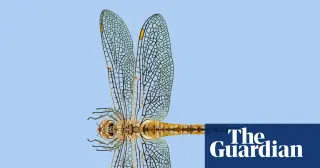
The wandering glider dragonfly, found on every continent except Antarctica, completes a multi-generational migration of up to 18,000km between India and East Africa. This 4.5cm insect, which can develop from larva to adult in as little as 38 days, rides monsoon winds across 3,500km of open ocean. Recent genetic and isotope studies confirm it functions as a single global population, making it the most extensive migratory insect known to science.

Froggy lunch, surf-loving penguin and a standout treehopper crown this week in wildlife
environment4 months ago

Froggy lunch, surf-loving penguin and a standout treehopper crown this week in wildlife

This Guardian week-in-wildlife roundup highlights striking images and short notes from around the world—such as a garter snake preying on a pickerel frog, a young penguin riding waves off Rio, and protected goats on Turkish slopes—along with a feature on a treehopper vying for Invertebrate of the Year and broader conservation themes like desert rain frogs threatened by mining and England’s £60 million crayfish protection programme.

Octopuses Learn to Find Hidden Food Using Mirrors, Hinting at Mental Maps
science5 months ago

Octopuses Learn to Find Hidden Food Using Mirrors, Hinting at Mental Maps

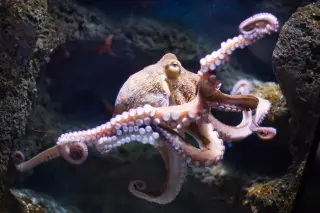
Researchers trained three California two-spot octopuses to use a mirror to locate a crab placed behind them. After about 10–12 training trials, the octopuses learned to approach the real prey instead of its reflection; in testing they chose the correct location 73% of the time, suggesting they understood the mirror’s spatial information rather than just memorizing cues. The findings imply octopuses may have internal spatial maps and point to convergent evolution of cognition in distant relatives.

Ancient Kraken-Like Giant Octopus Unearthed in 72-Million-Year-Old Fossils
science5 months ago

Ancient Kraken-Like Giant Octopus Unearthed in 72-Million-Year-Old Fossils

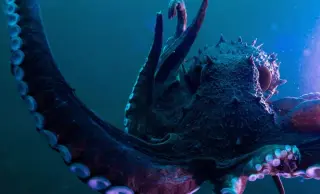
Researchers analyzing oversized fossil jaws from Japan and Canada describe two giant, kraken-like octopuses—Nanaimoteuthis jeletzkyi and N. haggarti—from about 72 million years ago; based on jaw size, N. haggarti may have reached 23–62 feet, potentially the largest known invertebrate, suggesting Cretaceous oceans hosted top predators among invertebrates alongside vertebrates and pointing to a more complex ancient marine ecosystem.

Ancient sea giant: a 19-metre octopus haunted the prehistoric oceans
science7 months ago

Ancient sea giant: a 19-metre octopus haunted the prehistoric oceans

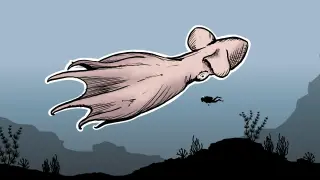
Analysis of exceptionally preserved fossil jaws from Japan suggests giant octopuses could reach up to 19 metres in total length, potentially the largest known invertebrates and top predators in the Cretaceous seas, capable of crushing shells and bones of large prey; uneven jaw wear hints at one-sided feeding and possibly advanced brain function, though exact form and speed remain uncertain and no stomach contents have been found; the research is published in Science.

Tiny, ubiquitous engineers: springtails underpin Earth’s ecosystems
science10 months ago

Tiny, ubiquitous engineers: springtails underpin Earth’s ecosystems

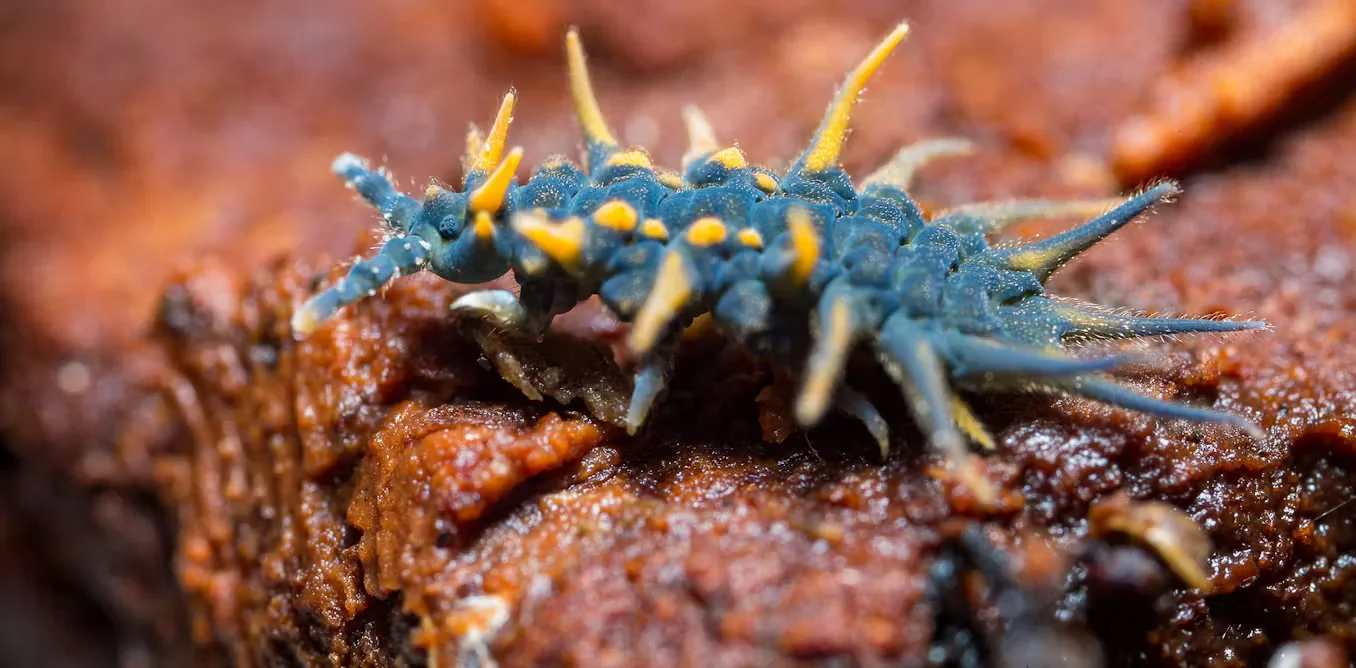
Springtails (Collembola) are tiny, ancient invertebrates found in virtually every habitat on Earth—from Mount Everest to Antarctica and even homes. They use a spring-loaded furcula to leap and a moisture-absorbing collophore to survive desiccation. As key players in regulating bacteria and fungi and in breaking down organic matter, they sustain ecosystems across forests, deserts, caves, and more. Giant springtails living in rotting wood can reach up to 17 mm, and recent work reshapes their classification, revealing a southern-hemisphere split tied to Gondwanan history, while warming and drying climates threaten many populations in Australia and New Zealand—a silent mass extinction for these remarkable yet underappreciated creatures.

Meet the Deadliest Prehistoric Insects: Acid-Spraying Ants and Giant Scorpions
science1 year ago

Meet the Deadliest Prehistoric Insects: Acid-Spraying Ants and Giant Scorpions

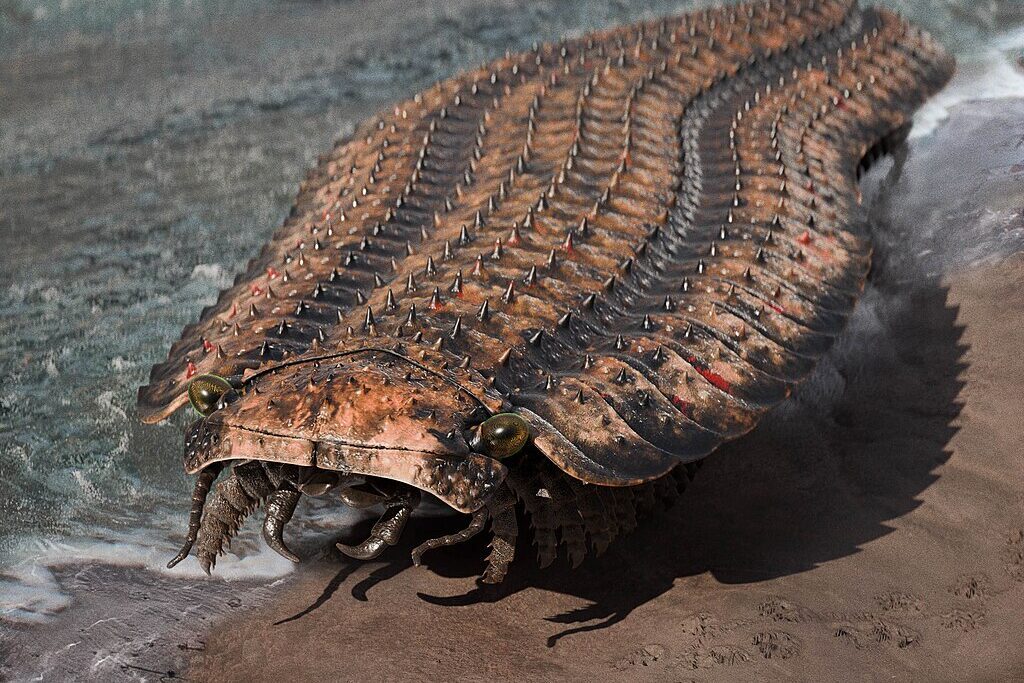
The article explores the fascinating world of prehistoric invertebrates that dominated Earth's ecosystems long before vertebrates emerged. It highlights several giant and bizarre creatures, such as the massive dragonfly-like Meganeuropsis, the enormous millipede Arthropleura, and the cat-sized scorpion Pulmonoscorpius. These creatures thrived during periods like the Carboniferous, when high oxygen levels allowed them to grow to extraordinary sizes. The article also discusses the unique adaptations and ecological roles of these ancient bugs, providing insight into the evolutionary history of invertebrates.

Declining Invertebrates Threaten Pest Control and Organic Matter Decomposition
environment3 years ago

Declining Invertebrates Threaten Pest Control and Organic Matter Decomposition

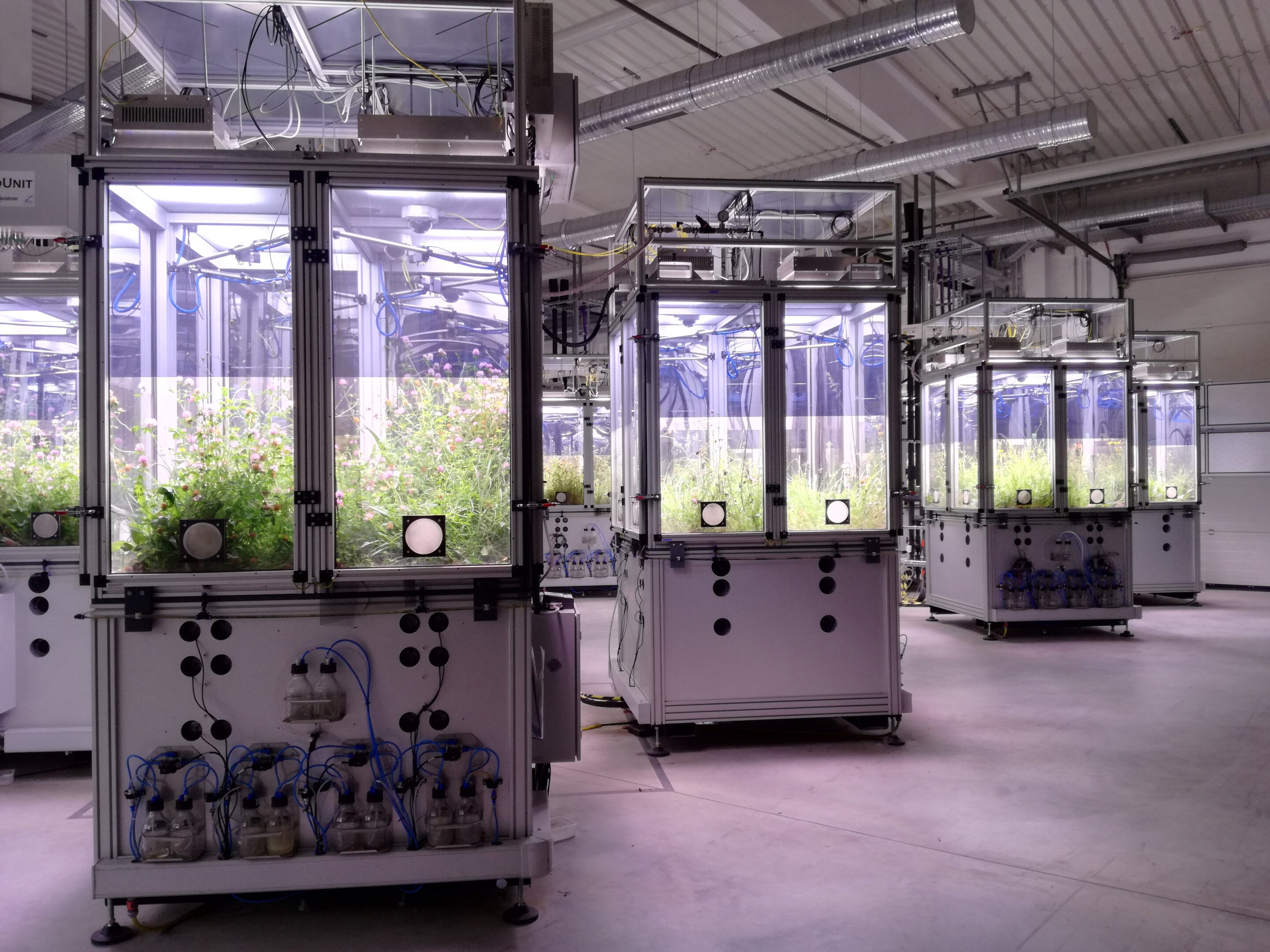
A study led by researchers at the German Centre for Integrative Biodiversity Research (iDiv) and Leipzig University has found that the decline in invertebrates, such as insects and arthropods, is negatively impacting important ecosystem services like natural pest control and decomposition of organic matter. Human-caused environmental changes, including habitat loss and chemical pollution, have been driving the global decline of invertebrates. The study used controlled mini-ecosystems to simulate the effects of invertebrate decline and found that as invertebrate biomass decreases, the number of ecosystem services also decreases. Immediate protection measures are necessary to safeguard diverse invertebrate communities and maintain important ecosystem functions.

"Discovery of a New Antarctic Species: Unveiling the Enigmatic '20-Armed' Creature"
science3 years ago

"Discovery of a New Antarctic Species: Unveiling the Enigmatic '20-Armed' Creature"

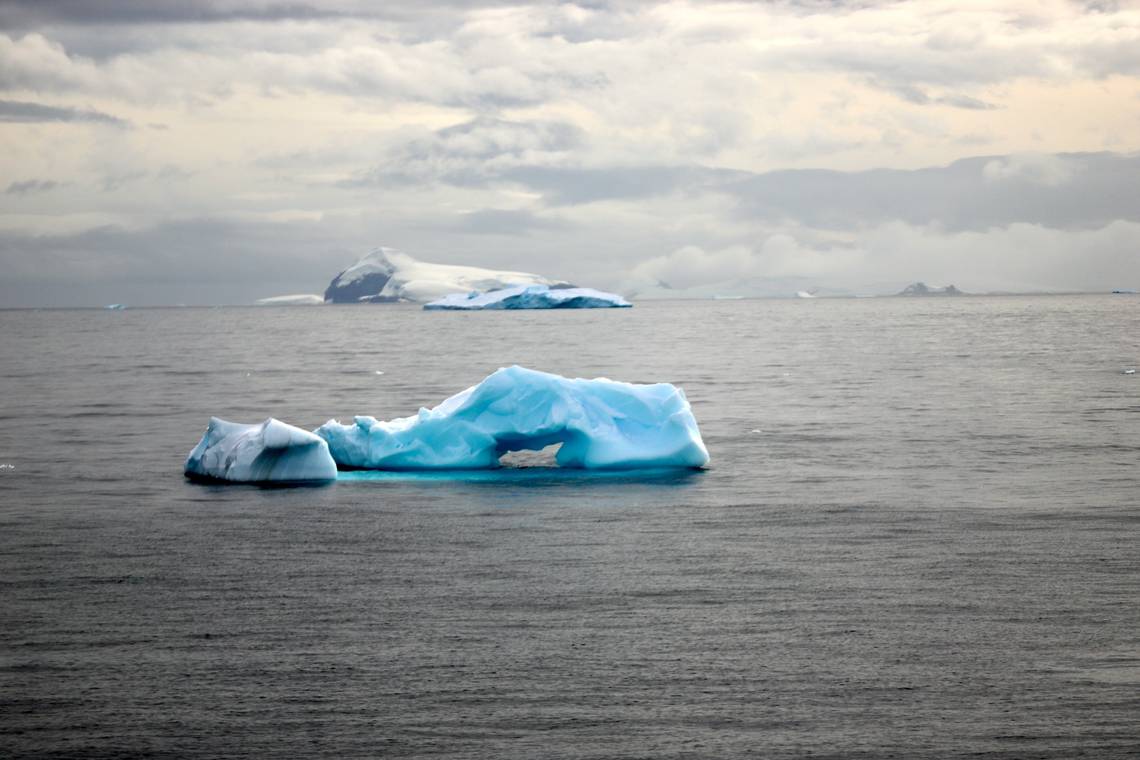
Scientists conducting research near Antarctica have discovered a new species of marine animal called Promachocrinus fragarius, or the Antarctic strawberry feather star. This creature has a distinctive body shape with 20 arms branching off its central body, resembling a strawberry. It can be found at depths ranging from 215 to 3,840 feet in the Southern Ocean. The discovery was made through several research expeditions between 2008 and 2017, and researchers also identified three more new species of Antarctic feather stars.