
Italy Deploys 130,000 Octopus Larvae to Combat Blue Crab Invasion
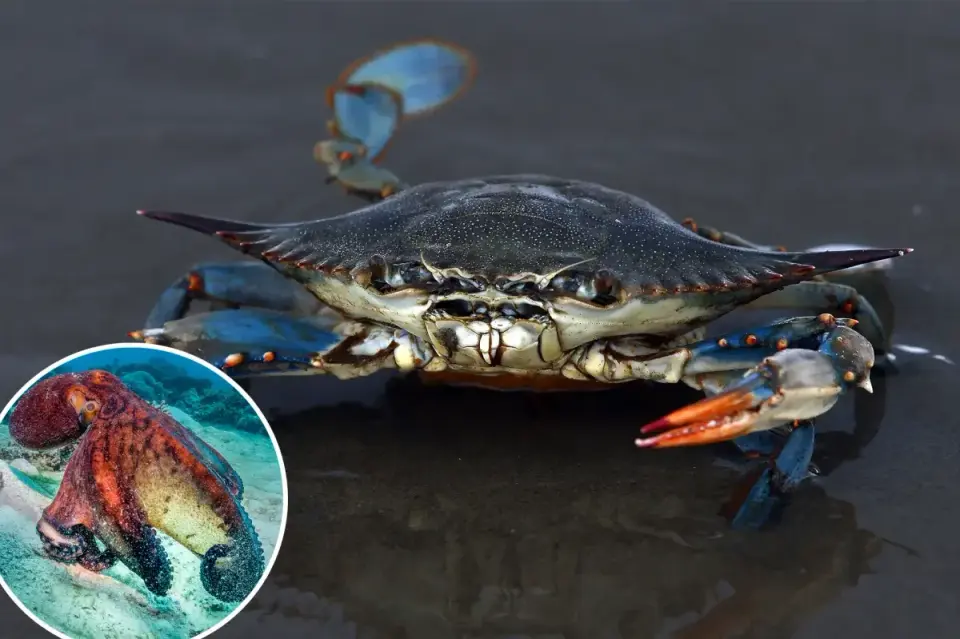
Italian scientists have released 130,000 lab-raised octopus paralarvae into the Adriatic Sea to control a surge in invasive blue crabs. The 'Octo-Blu' project aims to bolster native octopus populations to prey on crabs that have devastated local fisheries and shellfish stocks. While the initiative is a pilot, experts debate its efficacy due to high larval mortality rates and habitat mismatches.
Key points
- Researchers from the University of Bologna released 130,000 octopus paralarvae near Cesenatico and Riccione in August 2026.
- Invasive blue crabs have caused an estimated €200 million in damages to Italian fisheries, destroying 70% of clam production in the Po Delta.
- The 'Octo-Blu' project seeks to strengthen native octopus populations, which can consume up to four crabs per day, rather than introducing a new species.
- Critics note that octopus paralarvae have a 99.9% mortality rate and that the sandy Adriatic seabed is not ideal for octopus survival.
- The initiative is part of a broader strategy that includes promoting blue crab consumption in local restaurants to reduce population numbers.
Background
This follows earlier reports of invasive species management challenges in European waters. While unrelated to the PlayStation sales or US-Iran tensions in the archive, the focus on ecological balance and economic impact mirrors broader environmental concerns.
How outlets are covering it
The New York Post emphasizes the dramatic scale of the 'octopus army' and the economic crisis facing fishermen, citing a €200 million loss. Scientific American highlights the biological details, noting the octopuses are native and the project started in 2024. New Scientist offers a skeptical view, with experts like Rom Lipcius and Anna Di Cosmo questioning the efficacy of releasing larvae in an open sea, calling it a 'simplistic approach' given the 99.9% mortality rate. The Telegraph was inaccessible due to a security block, so its perspective is unavailable.
Why it matters
The blue crab invasion threatens the economic stability of Italy's fishing industry and the biodiversity of the Adriatic ecosystem. This pilot project represents a significant, albeit controversial, attempt at biological control, potentially setting a precedent for managing invasive species in other Mediterranean regions.
What to watch
Researchers plan to assess the impact of the release by the end of 2026 and will continue releasing more paralarvae as they are produced. They also aim to collaborate with fishermen to monitor crab populations and evaluate the success of the intervention.
- Shell shock! 130,000 killer octopuses unleashed to fight crab invasion New York Post
- Scientists just unleashed an army of 130,000 baby octopuses to fight off a blue crab invasion Scientific American
- Octopuses released into Adriatic Sea to tackle invasive crabs New Scientist
- Italy tackles blue crab invasion with army of octopuses The Telegraph
- Invasive Crabs Are Taking Over the Mediterranean, So Scientists Released Over 130,000 Octopuses to Fight Them People.com
Want the full story? Read the original reporting
Read on New York Post