
Wearables Fall Short in Capturing How Sleep Feels, Study Finds
TL;DR Summary
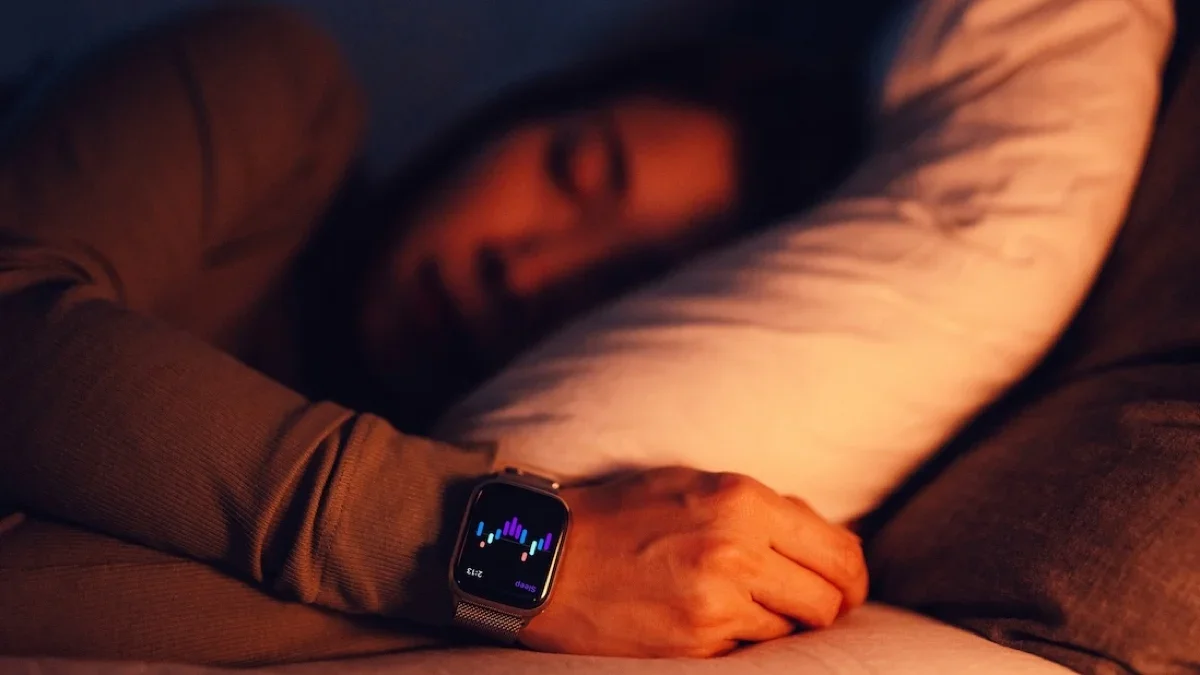
A Sleep Medicine review of about 2,000 participants finds consumer sleep trackers (e.g., Fitbit, Apple Watch) often misalign with subjective sleep quality, particularly in insomnia and depression, explaining only 2.5–16.2% of the variance in how people report their sleep. The data may track duration but not the perceived restfulness, so clinicians should rely on validated sleep diaries and clinical assessment rather than device data alone, especially when sleep problems are suspected.
- Scientists Discover a Serious Problem With Sleep Trackers ScienceAlert
- Is sleep tracking making your sleep worse? BBC
- Sleepmaxxing: Are Popular Sleep Hacks Evidence-Based? Medscape
- Sleepmaxxing on a Budget: How to Actually Cool Down a Hot Bedroom Without Running the AC All Night Us Weekly
- Want a Good Night's Sleep? Stop Worrying About Sleepmaxxing—And Ditch the Fitness Trackers inc.com
Reading Insights
Total Reads
0
Unique Readers
7
Time Saved
7 min
vs 8 min read
Condensed
95%
1,410 → 71 words
Want the full story? Read the original article
Read on ScienceAlert