
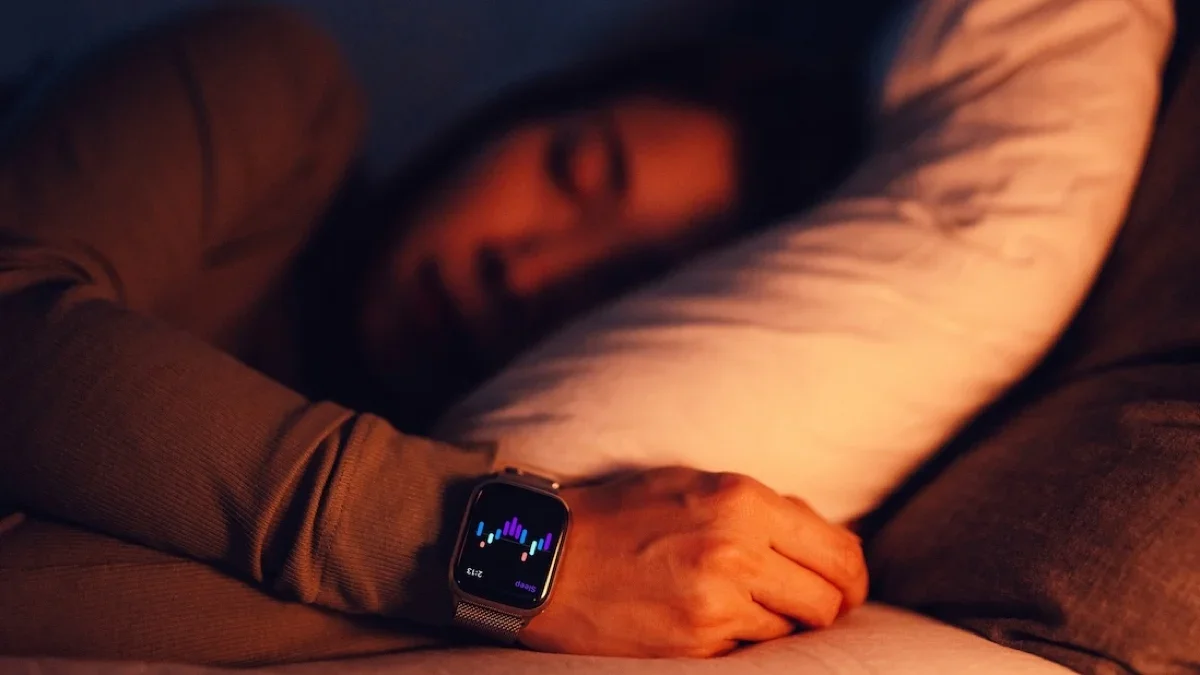
Wearables Fall Short in Capturing How Sleep Feels, Study Finds
A Sleep Medicine review of about 2,000 participants finds consumer sleep trackers (e.g., Fitbit, Apple Watch) often misalign with subjective sleep quality, particularly in insomnia and depression, explaining only 2.5–16.2% of the variance in how people report their sleep. The data may track duration but not the perceived restfulness, so clinicians should rely on validated sleep diaries and clinical assessment rather than device data alone, especially when sleep problems are suspected.