
European aviation and media face coordinated hoax bomb threats amid hybrid warfare fears
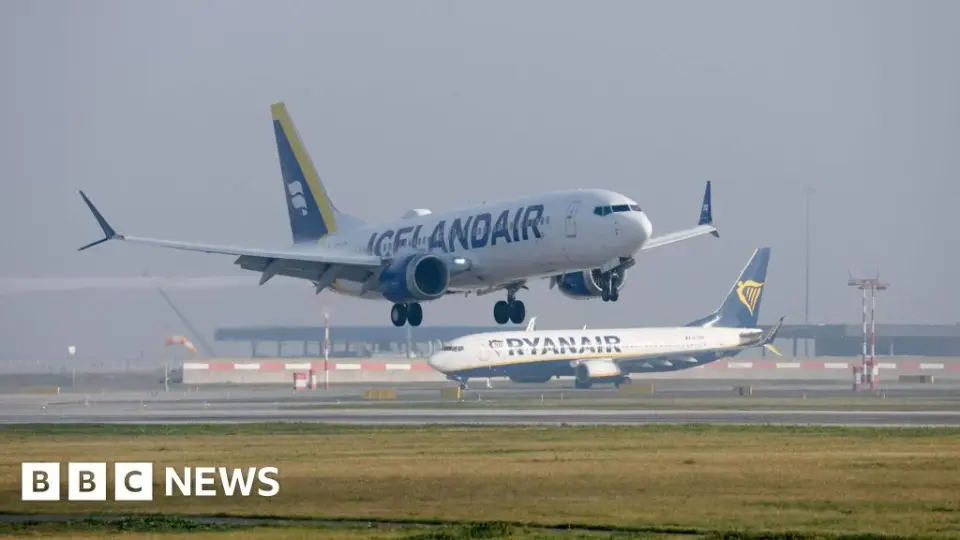
A wave of hoax bomb threats has disrupted dozens of flights and targeted media outlets across Europe this week. While no explosives were found, the incidents have raised concerns about coordinated hybrid warfare, with officials debating whether the actions stem from state-sponsored actors or isolated individuals.
Key points
- At least 32 bomb threats affected a dozen airlines over four days, with 18 additional flights impacted on Friday alone.
- Threats were sent via email and phone, forcing diversions, military escorts, and mid-air inspections; all turned out to be hoaxes.
- Media organizations in Ireland, the UK, and Bulgaria also received threats, with RTÉ evacuating its Dublin headquarters.
- No explosives were found, and no injuries were reported, but the incidents caused significant disruption and financial costs for airlines.
- Authorities have not identified a specific culprit, though some officials suspect Russian hybrid warfare or a misogynist group called 'The Male State.'
Background
This latest wave follows earlier isolated incidents, such as an Austrian Airlines flight diverted to Sofia in October 2026 after a bomb threat. The current events occur amid heightened geopolitical tensions, including cyberattacks on supermarket refrigeration systems and drone incursions in European airspace.
How outlets are covering it
BBC and The Guardian emphasize the scale of disruption and the lack of a clear culprit, noting that while some threats were linked to a Russian far-right group, its founder denied involvement. CNN and The LA Times highlight the spread of threats to media outlets and the potential for hybrid warfare, with officials like Spain’s foreign minister José Manuel Albares calling it 'psychological warfare.' Aviation experts, such as Paul Mason and Robert Jordan, stress that while the threats are costly, airlines are well-equipped to handle diversions, and the incidents represent a tiny fraction of total European flights.
Why it matters
The incidents underscore the vulnerability of civilian infrastructure to low-cost, high-impact disruptions. They highlight the challenges of tracing anonymous threats and the potential for hybrid warfare to undermine public confidence and normal operations across Europe.
What to watch
Security experts are set to meet in Brussels next week to discuss measures to address the bomb threats. Authorities will continue investigating the incidents, with a focus on identifying the perpetrators and preventing further disruptions to aviation and media operations.
- Spate of bomb threats poses serious challenge to airline industry BBC
- Further bomb threats disrupt at least another 18 flights across Europe The Guardian
- European flights and broadcasters are targeted with another wave of bomb threats Los Angeles Times
- Bomb threats warning 'the clock is ticking' disrupt TV channels across Europe Reuters
- Wave of anonymous bomb threats in Europe spreads to broadcasters — what’s going on? CNN
Want the full story? Read the original reporting
Read on BBC