
Russian group denies hoax bomb threats as Europe scrambles to contain aviation chaos
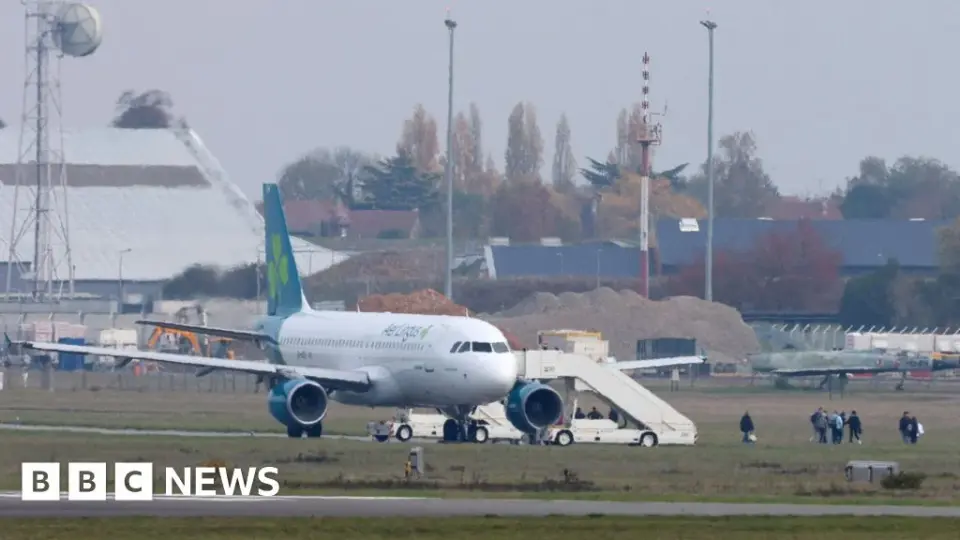
A wave of hoax bomb threats has disrupted dozens of flights across Europe, forcing diversions and military escorts. While the Russian extremist group 'Male State' denies involvement, officials fear coordinated hybrid warfare. No explosives were found, but the incidents have strained aviation networks and raised concerns about state-backed disruption.
Key points
- The 'Male State', a Russian extremist group named in initial threat emails, denied responsibility via Telegram, claiming it no longer exists.
- Italy's La Stampa newspaper rejects the denial, suggesting the group acts as an 'armed wing' for the Russian regime.
- Aer Lingus diverted a Dublin-to-Rome flight to a French military base after a threat, while other flights were escorted by fighter jets.
- Bomb threats also targeted Irish media organizations, prompting evacuations and a government statement on a 'coordinated campaign of disruption'.
- Italy's defense minister warned of a 'strategy to increase chaos,' linking the threats to recent cyberattacks on infrastructure.
Background
This incident follows a second and third wave of hoax threats in early November 2026, which disrupted flights across 16 European countries. Previous coverage noted that while no explosives were found, the coordinated nature of the alerts raised concerns about hybrid warfare, with NATO monitoring the situation. The current escalation includes threats to media outlets and a broader pattern of disruption targeting public infrastructure.
How outlets are covering it
BBC reports that the 'Male State' denied involvement, mocking the suggestion, while Italy's La Stampa newspaper remains convinced of the group's responsibility, framing it as part of a Russian 'game plan.' CNBC emphasizes the operational difficulty for airlines, noting that even hoax threats trigger mandatory safety protocols, leading to significant financial costs and network disruptions. Security analysts cited by CNBC suggest the threats may be state-backed, while Italian officials view them as part of a broader hybrid warfare strategy aimed at fuelling tensions.
Why it matters
The hoax bomb threats highlight the vulnerability of Europe's aviation network to coordinated disruption. The incidents have forced airlines to divert flights, incurring costs of up to $250,000 per diversion, and have raised concerns about the potential for further attacks on critical infrastructure. The lack of a clear perpetrator has led to debates about the effectiveness of current security protocols and the need for improved coordination among national and international authorities.
What to watch
Authorities are expected to review aviation security regulations and frameworks at both national and European levels. Security experts predict that the type of attack may evolve, potentially targeting railways and highways. Airlines and airports are likely to implement stricter assessment protocols, though changes may take time due to the complexity of coordinating multiple stakeholders. The ongoing investigation aims to determine if the threats are coordinated or the work of copycats.
- Russian extremist group denies sending hoax bomb threats BBC
- Why a wave of bomb threats is proving so difficult for Europe's aviation authorities to contain CNBC
- France investigating if airline bomb threats linked to ‘foreign powers’ The Times of Israel
- What to know about the hoax bomb threats that targeted flights in Europe AP News
- Bomb threats warning 'the clock is ticking' disrupt TV channels across Europe Yahoo
Want the full story? Read the original reporting
Read on BBC