
AI Cracks 217-Year-Old Napoleonic Cipher in Six Hours
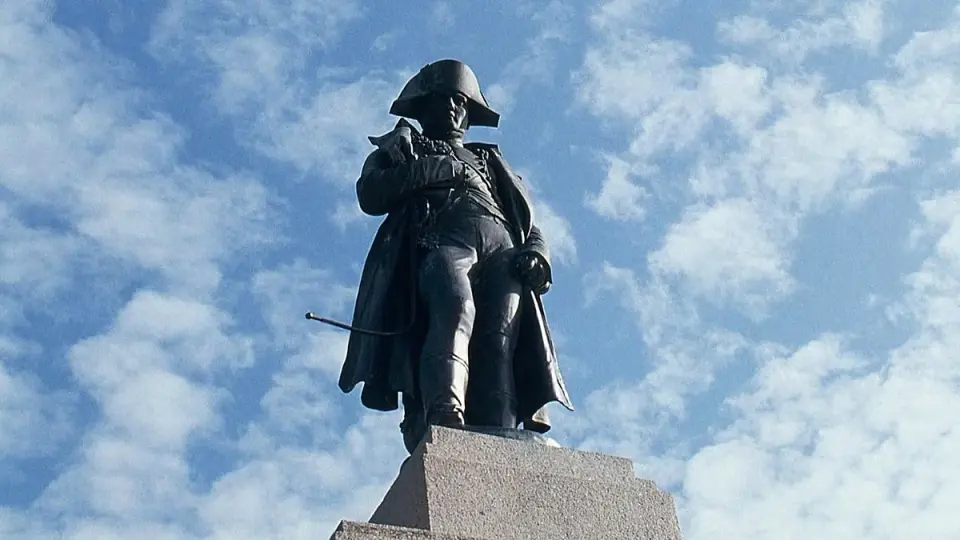
Carter Church, a cybersecurity engineer at SentinelOne, used OpenAI's GPT-6 Astra model to decipher an 1809 military letter in six hours. The document, originally encrypted by Eugène de Beauharnais on Napoleon's orders, had remained unsolved for over two centuries. The AI transcribed the image, analyzed the homophonic substitution cypher, and cross-referenced historical records to reveal troop positions. Church published the full research record on September 18, 2026, allowing independent verification. The decoded text provides details on Bavarian, Polish, and French forces, confirming the document's date as late March 1809, shortly before the Austrian offensive.
Key points
- Carter Church utilized OpenAI's GPT-6 Astra model to decode an encrypted 1809 letter sent to French General Auguste de Marmont.
- The AI completed the transcription and decipherment process in approximately six hours, a task that had eluded human researchers for over 200 years.
- The document was not written by Napoleon but originated from the headquarters of Eugène de Beauharnais, Viceroy of Italy, as a troop briefing.
- The deciphered text reveals the positions of Bavarian, Polish, and French forces, as well as warnings against being intimidated by isolated troops.
- Church published the complete research record, including transcription, cypher tables, and scripts, on September 18, 2026, for public verification.
- Satoshi Tomokiyo, a Tokyo-based researcher, reviewed the solution and marked the entry as 'solved' on the Cryptiana database.
Background
This breakthrough follows earlier reports from October 1 and 2, 2026, which highlighted the significance of AI in historical cryptography. Previous coverage noted that Church used GPT-6 Astra to decode the same 1809 cipher, emphasizing the AI's ability to handle complex historical puzzles that had defeated human cryptographers for over two centuries. The archive also mentioned that the decipherment confirmed the letter's date and content, which had been lost for 217 years, and that Church released the key and script for verification, though some historical details remained debated.
Why it matters
This event demonstrates the expanding application of artificial intelligence beyond modern tech sectors into historical research and archival analysis. It marks a significant milestone in historical cryptography, showing that AI can solve complex, long-standing puzzles that eluded human experts for over two centuries. The ability of GPT-6 Astra to transcribe images, analyze homophonic substitution cyphers, and cross-reference historical records end-to-end highlights the potential for AI to unlock lost historical documents and provide new insights into past events.
What to watch
Researchers and historians can now use the published transcription, cypher tables, and scripts to reproduce the result and further analyze the historical implications of the decoded troop positions. The confirmation of the document's date as late March 1809, about two weeks before the Austrian offensive, may lead to new studies on Napoleonic military strategy and the lead-up to the 1809 war. Additionally, the success of this decipherment may encourage the use of AI in decoding other unsolved historical ciphers and encrypted documents.
Want the full story? Read the original reporting
Read on Euronews.com