
AI Cracks Napoleon's 217-Year-Old Cipher
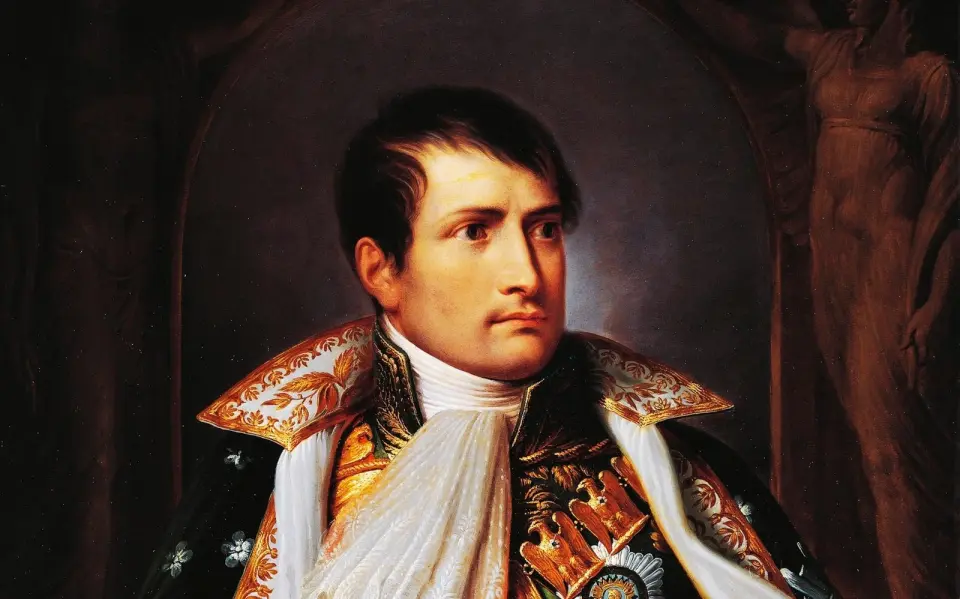
Artificial intelligence has successfully decoded a 217-year-old coded message from Napoleon Bonaparte, marking a significant milestone in historical cryptography. This breakthrough demonstrates AI's capability to solve complex, long-standing historical puzzles that eluded human cryptographers for over two centuries. The development highlights the expanding applications of AI beyond modern tech sectors into historical research and archival analysis.
Key points
- AI successfully decoded a 217-year-old coded message from Napoleon Bonaparte.
- The message had remained undeciphered for over two centuries.
- This achievement demonstrates AI's potential in historical cryptography and archival research.
- The breakthrough represents a significant milestone in applying AI to historical puzzles.
Background
Recent developments in AI have expanded its applications across various sectors, including coding, cybersecurity, and historical research. While AI has been used for modern tasks like code generation and knowledge distillation, its application to historical cryptography is a new frontier. This development builds on the broader trend of AI being used to solve complex problems that were previously beyond human capability.
Why it matters
The successful decoding of Napoleon's message by AI demonstrates the technology's potential to unlock historical mysteries and advance archival research. This breakthrough could lead to the deciphering of other long-standing historical ciphers, providing new insights into historical events and figures. It also highlights the growing role of AI in fields beyond traditional tech sectors, such as history and archaeology.
What to watch
Researchers may apply similar AI techniques to other historical ciphers and encrypted documents. This could lead to new discoveries in historical research and potentially reveal previously unknown information about historical events and figures. The success of this project may also inspire further investment in AI for historical and archival research.
Want the full story? Read the original reporting
Read on AOL.com