
Russia's Starlink Rival Stalls: Only 12 of 32 Rassvet Satellites Reach Stable Orbit
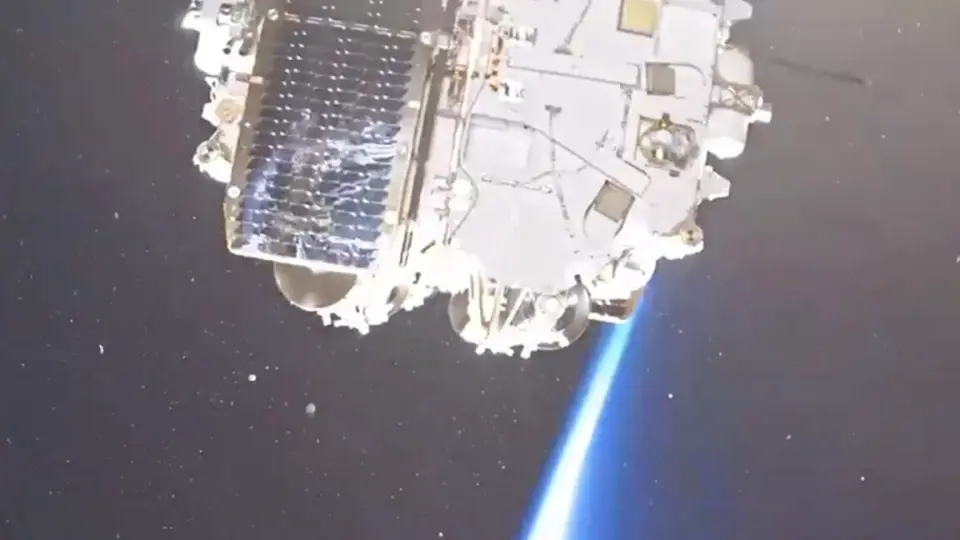
Russia's Rassvet satellite network, intended to replace Starlink for military use, is facing severe technical setbacks. Of the 32 satellites launched in 2026, only 12 have reached stable orbits, while the entire second batch failed to reach target altitudes. Analysts attribute this to technical failures, limited launch capacity, and Ukrainian strikes on Russian space infrastructure.
Key points
- The Institute for the Study of War reports that at least three of the first 32 Rassvet satellites have failed, with the entire second batch of 16 satellites failing to reach their intended operational altitude.
- The first batch of 16 satellites launched in March saw 12 reach stable orbits at approximately 300 miles (500 km), but none reached the originally planned 500-mile (800 km) altitude.
- The second batch, launched in July, is orbiting between 190 and 250 miles (300-400 km), a height where atmospheric drag significantly shortens satellite lifespan and risks reentry.
- Ukrainian forces struck the Progress Space Rocket Center in August and attempted strikes on the Plesetsk Cosmodrome, damaging the infrastructure needed to launch more Rassvet satellites.
- Russia needs 200 to 250 operational satellites for continuous coverage, but its current launch tempo and failure rates make this goal unlikely in the near term.
Background
Russia's Rassvet program was accelerated after SpaceX cut off Starlink access to unregistered Russian terminals in February 2026. The program aims to provide military and civilian connectivity, but Russia's space industry has long suffered from underfunding and production bottlenecks. Previous archive coverage noted that the first batch showed partial success, but the second batch's total failure to reach target orbit signals a significant delay in achieving a functional constellation.
How outlets are covering it
Ars Technica and Business Insider both highlight the technical failures, noting that only 12 of the 32 launched satellites have reached stable orbits. Business Insider emphasizes the 37.5% success rate compared to SpaceX's 3% failure rate. Euronews focuses on the strategic impact, noting that even a partially working constellation allows Russia to conduct precise strikes, but the program's failures delay this capability. All sources agree that Ukrainian strikes on launch infrastructure and Russia's limited Soyuz rocket capacity are major bottlenecks. Ars Technica suggests some satellites may be intentionally kept at lower altitudes for orbital drift, but this is not confirmed by other sources.
Why it matters
The failure of Rassvet delays Russia's ability to provide continuous satellite communications for its military, potentially limiting its ability to coordinate drone and missile strikes. It also highlights the vulnerability of Russia's space industry to Ukrainian strikes and the challenges of rapidly scaling a satellite constellation. The program's setbacks may prolong Russia's reliance on alternative communication methods or force it to seek other solutions, impacting the broader conflict in Ukraine.
What to watch
Russia will likely continue launching Rassvet satellites, but the pace and success rate remain uncertain. Ukrainian strikes on space infrastructure may further delay launches. Analysts expect Russia to face additional delays in achieving a functional constellation, potentially not reaching continuous coverage until well after 2027. The technical issues with the second batch may lead to further failures or reentries, requiring Russia to adjust its deployment strategy or invest in more reliable launch vehicles.
- Is Russia’s rival to Starlink failing? Here’s what we know. Ars Technica
- All 16 of Russia's latest satellites for its Starlink rival failed to reach their intended orbit Business Insider
- Russia's Starlink copycat has failed so far but still threatens Ukraine Euronews.com
- Russia's Rossvest Starlink Alternative Is Already Losing Satellites to Accidental Reentry Yahoo
- Russia’s answer to Starlink satellites seen falling towards earth (Ukraine Battlefield update, Day 1,650) EUobserver
Want the full story? Read the original reporting
Read on Ars Technica