
Ukraine Investigates Organized Riot at Azov Corps Base After Viral Allegations of Torture
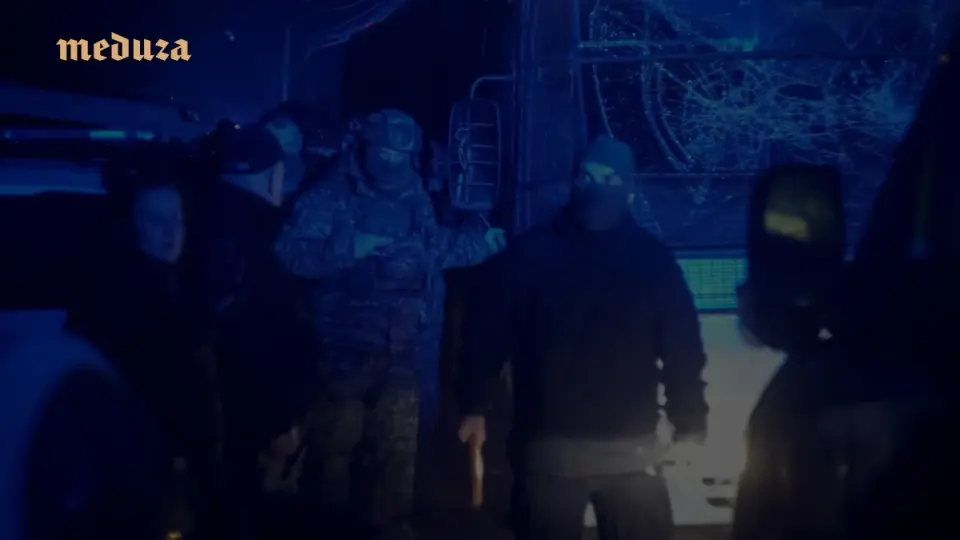
On November 2, 2026, a crowd of approximately 100 people clashed with security forces outside a private home in Petropavlivska Borshchahivka, near Kyiv. The gathering was triggered by social media claims that the National Guard’s Azov Corps was illegally detaining and torturing mobilized men and soldiers who had left their units without permission in the building's basement. Although authorities confirmed the site was a temporary base for the 1st Corps, the confrontation escalated into violence, resulting in injuries and the detention of several individuals, including a woman who posed as a paramedic. Senior officials, including Presidential Office chief Kyrylo Budanov, intervened to defuse the situation, while investigators opened criminal proceedings for obstruction of military activities and mass unrest. The incident has sparked a broader inquiry into the conditions of servicemen held at such facilities and the legal grounds for their detention.
Key points
- Clashes erupted on November 2 outside a house in Petropavlivska Borshchahivka after viral posts alleged the National Guard was holding and torturing approximately 40 people in the basement.
- The crowd, which grew to about 100 people, attempted to force entry into the building, leading to clashes with police and National Guard soldiers that lasted until midnight.
- Valentyna Moloda, a woman in a paramedic uniform, was a key figure in the unrest; she was later detained and accused of organizing the riot and obstructing military activities.
- National Guard Commander Oleksandr Pyvnenko and Presidential Office chief Kyrylo Budanov arrived at the scene, resulting in the evacuation of four injured soldiers to a hospital.
- The Security Service of Ukraine (SBU) alleges the unrest was deliberately organized to abduct a specific serviceman, Andrii Kuleshov, who had left his unit without authorization.
- Authorities have identified 130 potential participants in the unrest, with 27 accused of active unlawful acts and 24 of aggressive behavior.
Background
This incident follows a period of heightened scrutiny regarding Ukraine’s mobilization laws and the treatment of soldiers who leave their units without permission. Previous coverage highlighted that the Azov Corps had confirmed the existence of similar temporary detention facilities, prompting a national investigation into alleged torture and unlawful imprisonment. The current unrest underscores ongoing tensions between the military’s need to retain personnel and public concerns over the legality and humanity of detention practices. Additionally, the involvement of a 14-year-old in the clashes has drawn attention to the broader social impact of the mobilization crisis on families and youth.
How outlets are covering it
While Meduza and Euronews agree on the core facts of the November 2 clashes and the subsequent detentions, they differ in emphasis regarding the motivations and the nature of the allegations. Meduza highlights the role of Valentyna Moloda and the specific allegations of torture, noting that pro-Russian outlets and some Ukrainian media described the site as an 'unofficial prison.' It also details the involvement of a 14-year-old boy and the specific accusations against Moloda and Tetiana Kireieva. Euronews, on the other hand, focuses more on the official response, emphasizing the SBU’s claim that the unrest was a deliberate attempt to abduct a specific serviceman, Andrii Kuleshov. Euronews also places greater weight on the State Bureau of Investigation’s opening of proceedings into possible military misconduct, framing the incident as a dual investigation into both the riot and the conditions of the detainees. Both sources acknowledge the intervention of high-ranking officials, but Meduza provides more detail on the social media dynamics and the specific actions of the crowd, while Euronews focuses on the legal and procedural responses from Ukrainian authorities.
Why it matters
The Petropavlivska Borshchahivka incident exposes deep-seated tensions in Ukraine regarding mobilization, military discipline, and the rule of law. The clash between security forces and a crowd fueled by viral allegations of torture highlights the fragility of public trust in military institutions during a prolonged conflict. The involvement of high-ranking officials, including the Presidential Office chief, signals the gravity of the situation and the potential for broader reforms in how servicemen are detained and treated. Furthermore, the incident underscores the risks of misinformation and organized unrest in a wartime context, where the line between legitimate protest and criminal activity can blur. The ongoing investigations into both the riot and possible military misconduct will likely set precedents for handling similar cases in the future, potentially impacting mobilization policies and the rights of soldiers and mobilized men.
What to watch
Investigators will continue to examine the legal grounds for the detention of servicemen at the Petropavlivska Borshchahivka site and the conditions of their accommodation. The SBU and the State Bureau of Investigation are expected to finalize their findings on the organized nature of the unrest and the potential criminal charges against the identified participants. The military ombudsman’s office will likely issue a report on whether the rights of mobilized men and AWOL soldiers were violated. Additionally, the case of the 14-year-old boy involved in the clashes may lead to further discussions on the protection of minors in conflict zones. The outcome of these investigations could influence future policies on mobilization, detention, and the handling of public unrest in Ukraine.
- Here’s what we know three days after the clash at a temporary base for the National Guard’s Azov Corps outside Kyiv Meduza
- Claims of a Ukrainian ‘torture chamber’ went viral. What really happened? Al Jazeera
- Ukraine probes clashes at military recruitment dorm Reuters
- What happened in Petropavlivska Borshchahivka, and what do we know about those who were injured? Azov answers five key questions Українська правда
- What happened near Kyiv as viral allegations sparked unrest outside National Guard building Euronews.com
Want the full story? Read the original reporting
Read on Meduza