
Record Drone Barrage Tests Russian Air Defenses as Winter Energy Strikes Intensify
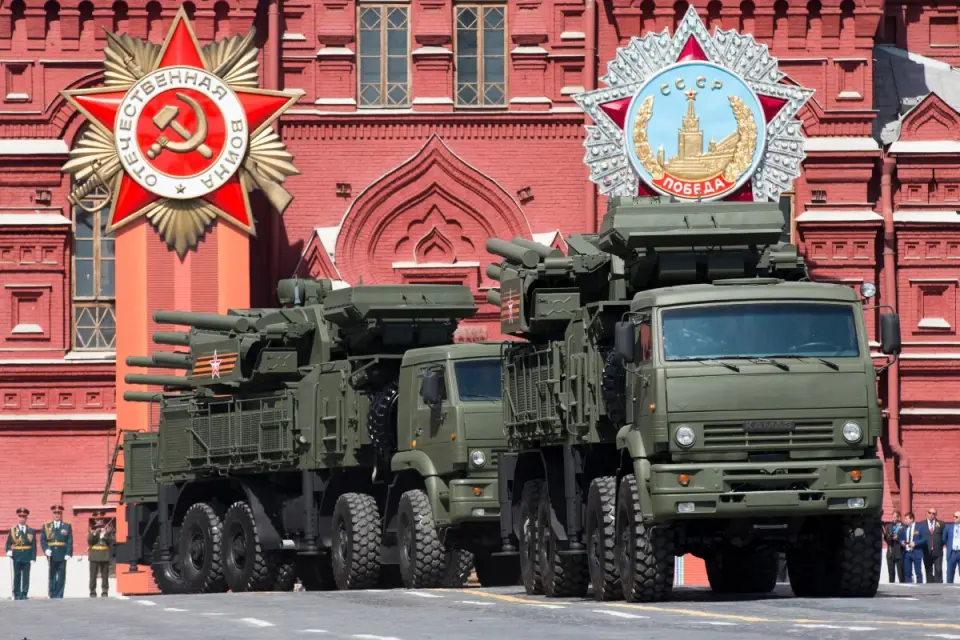
Russia intercepted 1,336 Ukrainian drones in its largest single-day defense operation since 2022, yet gaps in coverage allowed strikes on key infrastructure. As winter approaches, Russia escalated attacks on Ukrainian power grids, while diplomatic talks stalled. Ukraine targeted Russian refineries and military sites, exploiting vulnerabilities in Moscow’s vast air defense network.
Key points
- Russian military reported shooting down 1,336 drones overnight, the highest number since the full-scale invasion began in February 2022.
- Despite massive interception rates, analysts note that approximately 10% of drones typically penetrate defenses, allowing strikes on critical targets like the Kerch Bridge and oil refineries.
- Russia launched over 2,300 drones and 1,590 glide bombs against Ukraine in the past week, targeting energy infrastructure in multiple oblasts to disrupt heating and power before winter.
- Ukrainian forces struck Russian military-industrial facilities, including petrochemical plants in Tatarstan and a helicopter manufacturer in Bryansk Oblast, aiming to degrade Moscow’s war logistics.
- U.S.-mediated peace talks in Abu Dhabi yielded little progress, with new proposals linking potential NATO membership for Ukraine to withdrawal from the Donbas region.
Background
This surge follows a period of intensified drone warfare, including a recent strike on a Russian corvette in the Baltic Sea and previous attacks on Russian refineries in November. The current escalation occurs as winter approaches, making energy infrastructure a primary target for both sides. Earlier in the month, Russian strikes left hundreds of thousands in Ukraine without power, while Ukrainian drones damaged industrial sites in Russia’s Nizhny Novgorod and Rostov regions.
How outlets are covering it
AP News emphasizes the structural challenges Russia faces in defending its vast territory against low-flying, low-cost drones, noting that air defense systems are not designed for such volume. The Kyiv Independent highlights the tactical successes of Ukrainian strikes on specific military and industrial targets, such as the Akhtubinsk airfield and Nizhnekamsk refineries, while detailing the humanitarian impact of Russian counter-strikes on Ukrainian civilians. Both sources agree on the scale of the drone barrage but differ in focus: AP analyzes the defensive limitations, while Kyiv Independent details the offensive outcomes and diplomatic implications, including Zelensky’s comments on Starshield restrictions and NATO guarantees.
Why it matters
The inability to fully intercept massive drone swarms exposes vulnerabilities in Russia’s air defense, potentially undermining its strategic depth. Simultaneously, the targeting of energy infrastructure on both sides threatens civilian stability as winter sets in. The stalled diplomatic talks and new NATO-related proposals indicate that the conflict remains far from resolution, with military escalation continuing to outpace diplomatic progress.
What to watch
Expect continued exponential increases in drone launches from both sides as they attempt to overwhelm defenses. Russia may further bolster air defenses around key facilities, while Ukraine will likely refine tactics to exploit known loopholes. Diplomatic efforts may resume, but without significant concessions on territorial issues or security guarantees, military strikes on energy and industrial targets are likely to persist through the winter.
- Russia fends off swarms of Ukrainian drones a day across its vast territory. But some get through AP News
- Ukraine fires 1,336 drones into Russia in one of war's largest attacks, Moscow says ABC News - Breaking News, Latest News and Videos
- Russia says its defenses intercepted over 1,300 Ukrainian drones in a major attack PBS
- Ukraine war latest: Russia launches mass attack on Odesa Oblast as Ukraine strikes airfield, drone launch site in Russia The Kyiv Independent
- Russia reports drone attack on Moscow Українська правда
Want the full story? Read the original reporting
Read on AP News