
Unencrypted Nvidia Chip in Russian Drone Confirms First AI-Targeted Civilian Kill
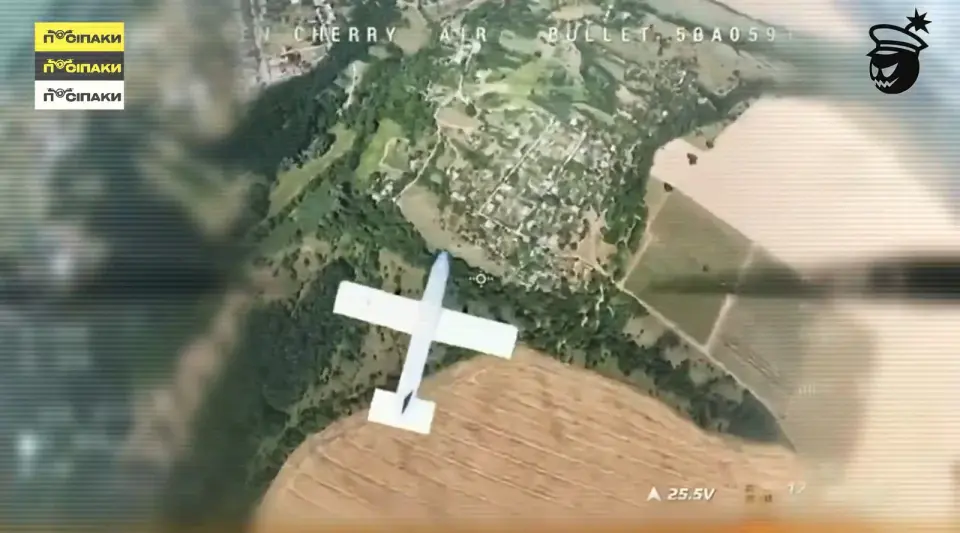
Ukrainian investigators confirmed that a Russian Molniya drone killed three civilians in Zaporizhzhia on July 6 using an unencrypted, commercially available Nvidia AI module. This marks the first documented instance of a fully autonomous drone selecting a target without human intervention, shifting the evidence from inference to direct code analysis.
Key points
- The drone struck a gas station in Zaporizhzhia, killing 19-year-old student Tetiana Bubynets, 41-year-old Oleksii Svirin, and 48-year-old Roman Karpii.
- Wreckage contained an Nvidia Jetson Orin minicomputer, a low-cost consumer-grade AI board, which was not encrypted.
- Ukrainian officials read the code, revealing the drone was trained to recognize specific objects like propane tanks and navigate terrain independently.
- The drone flew in a wave of six without transmitting radio signals, indicating no human operator made the final targeting decision.
- This is the first recorded case of an autonomous AI drone causing civilian deaths, according to CSIS fellow Kateryna Bondar.
Background
Ukraine has previously identified Nvidia modules in Russian drones like the V2U and Lancet, but those findings relied on hardware presence rather than readable code. Recent Ukrainian strikes on Russian logistics hubs, such as Wildberries warehouses, highlight the broader escalation in drone warfare, but this incident marks a distinct shift toward autonomous targeting in Russian arsenals.
How outlets are covering it
The New York Times and Euromaidan Press emphasize the technical breakthrough: the ability to read the unencrypted code provides definitive proof of autonomous targeting, moving beyond previous inferences based on missing antennas. The New York Post frames the event as a terrifying escalation into a 'Terminator' scenario, quoting Ukrainian air defense commander Serhiy Minaiev on the global risk of machines making strike decisions. Meduza focuses on the forensic details, noting that while some drones failed to detonate, the intact wreckage allowed experts to verify the AI’s training data and navigation logic, confirming that Russia has been testing these systems in Zaporizhzhia since May.
Why it matters
This incident establishes a new precedent in modern warfare where commercial AI hardware is used for lethal, autonomous decision-making. It raises urgent ethical and legal questions about the use of AI in conflict, as the technology is widely available and not restricted by sanctions, potentially accelerating the adoption of autonomous weapons by other nations.
What to watch
Ukraine is expected to continue analyzing recovered drone wreckage to map the extent of Russian AI integration. Both sides are likely to accelerate the development of autonomous systems, with Ukraine testing similar AI targeting in Crimea. International discussions on regulating autonomous weapons may intensify following this first confirmed civilian casualty from a fully AI-guided strike.
- A Russian drone chose its own target and killed three. The code that told it what to look for was readable Euromaidan Press
- A Drone Killed Three Ukrainians. It Was Guided Entirely by A.I. The New York Times
- A new Ukraine battlefield milestone is raising alarms around the world Cleveland.com
- Killer drone guided by AI slaughters 3 Ukrainians, sparking grave fears: ‘Living in a ‘Terminator’ movie’ New York Post
- NYT: A fully autonomous Russian AI drone run by an Nvidia minicomputer killed 3 civilians in the Ukrainian city of Zaporizhzhia Meduza — Новости
Want the full story? Read the original reporting
Read on Euromaidan Press