
Ukraine’s August Drone Campaign Targets Deep Russian Fuel and Logistics Hubs
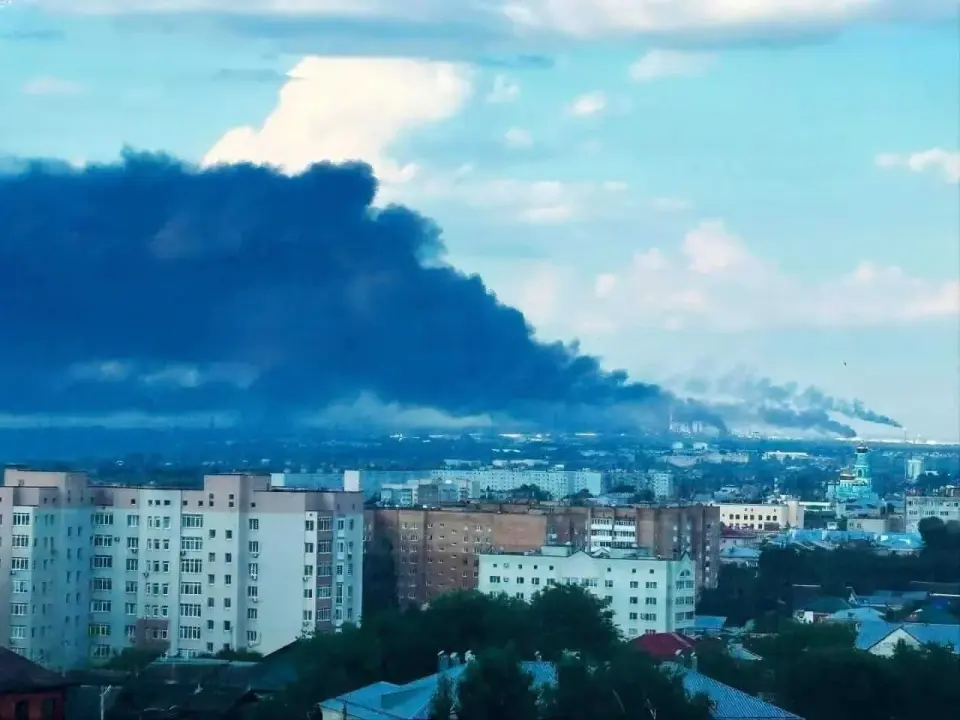
Ukrainian drones struck four Russian regions on August 4, damaging a Rosneft refinery in Samara Oblast and logistics hubs for Wildberries near St. Petersburg and Moscow. The attacks, occurring over 800 kilometers from the front, aim to disrupt military fuel supplies and equipment logistics. This follows a July where Russian oil refining hit a 24-year low due to sustained Ukrainian strikes.
Key points
- Ukrainian drones hit the Syzran refinery in Samara Oblast, a Rosneft facility processing 8.5 million tons of crude annually, which supplies aviation fuel to Russian military districts.
- Strikes targeted Wildberries logistics centers in Leningrad Oblast and Moscow Oblast; officials confirmed fires and casualties, with Moscow Oblast Governor Andrei Vorobyov reporting five deaths.
- Wildberries tightened security on August 3, banning cameras for warehouse staff after previous strikes, as Ukraine targets the retailer for supplying sanctioned components to Russian forces.
- Russian oil refining output in July fell to 3.6 million barrels per day, the lowest since 2002, as 18 refineries were targeted, including the Omsk plant over 2,500 kilometers from Ukraine.
- Ukraine’s campaign has expanded from front-line targets to deep-rear infrastructure, stretching Russian air defenses across a wider geographic area.
Background
Ukraine’s long-range drone campaign has intensified since June 2026, with strike records set in June and July. Previous attacks on refineries in Moscow, Saratov, and Nizhny Novgorod Oblasts have already contributed to fuel shortages and forced Moscow to relax gasoline standards. The August strikes continue this pattern, targeting both energy production and logistics networks critical to Russia’s war effort.
How outlets are covering it
Euromaidan Press and Militarnyi emphasize the strategic impact on military fuel and logistics, highlighting the Syzran refinery’s role in supplying aviation kerosene. The Guardian focuses on broader energy infrastructure damage, including strikes on Bashkortostan refineries and a sanctioned ship, while noting civilian impacts in Crimea. The Moscow Times, citing Bloomberg, provides quantitative context, noting July’s refining output was one-third below the seasonal norm and that 18 refineries were targeted, underscoring the economic strain on Russia’s oil sector. Russian officials, as reported by Euromaidan Press, claim air defenses repelled much of the attack, but confirmed damage to key sites.
Why it matters
The strikes demonstrate Ukraine’s ability to reach deep-rear targets, disrupting both military fuel supplies and logistics networks. The decline in Russian oil refining to a 24-year low threatens Moscow’s export revenue and war funding. By targeting Wildberries, Ukraine aims to cut off sanctioned components for Russian drones, while refinery strikes reduce the fuel available for Russian military operations. This campaign pressures Russia’s air defenses and economic resilience, potentially influencing the war’s trajectory.
What to watch
Ukraine is expected to continue targeting Russian energy and logistics infrastructure, with analysts noting that Russia’s ability to compensate for disruptions is limited by pipeline, storage, and tanker capacity. Russia may strengthen air defenses, but analysts doubt this will fully protect targets. The outcome will depend on Ukraine’s drone availability and target prioritization, with potential further strikes on refineries and logistics hubs in the coming months.
- This Russian refinery makes the jet fuel for Moscow's warplanes—and Ukraine keeps setting it on fire Euromaidan Press
- Ukraine’s Shifting Strikes Deepen Uncertainty Around Russian Oil Bloomberg.com
- How Vladimir Putin’s refinery dream became Ukraine’s target Financial Times
- Ukraine war briefing: Strikes on three Russian oil refineries and sanctioned ship theguardian.com
- Russian Oil Refining Falls to 24-Year Low After Ukrainian Drone Strikes – Bloomberg The Moscow Times
Want the full story? Read the original reporting
Read on Euromaidan Press