
Ukrainian Drone Wave Hits Russian Air Defense, Port, and Fuel Reserves
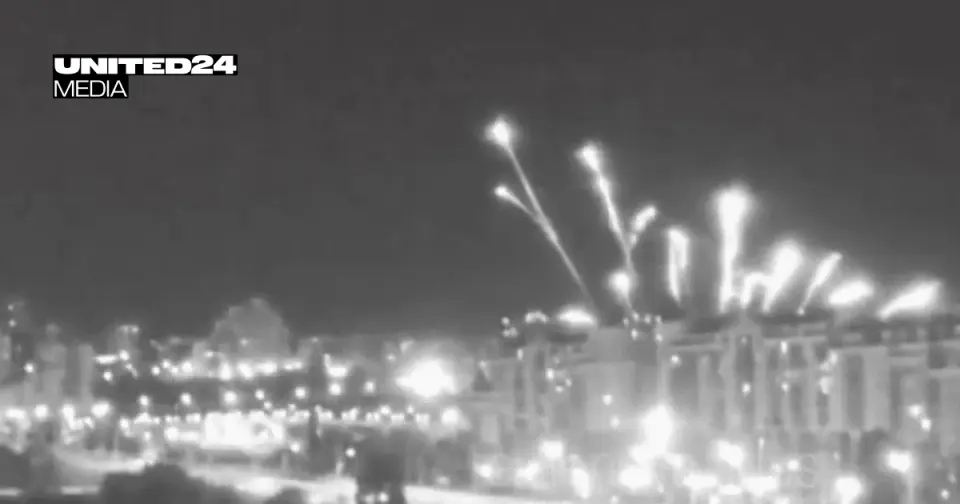
Ukrainian forces launched a coordinated overnight drone campaign against deep Russian targets, including an air defense system in Belgorod, a major export port in Rostov-on-Don, and a strategic fuel reserve in Udmurtia. The attacks resulted in civilian casualties, infrastructure damage, and confirmed strikes on military assets, marking a significant escalation in long-range drone warfare.
Key points
- A fixed-wing drone struck an unidentified surface-to-air missile system in central Belgorod, causing a secondary explosion and fire, according to OSINT footage.
- The strike on Rostov-on-Don killed at least five people and injured nearly 20, damaging the Rostov Sea Trade Port and residential areas.
- Ukrainian forces targeted the Prioritet state fuel reserve facility in Udmurtia, located 1,300 kilometers from the border, described as a massive attack by regional authorities.
- Ukraine’s military intelligence confirmed the destruction of a launcher and radar system belonging to a Russian S-400 Triumf air defense complex in occupied Crimea.
- The attacks caused power outages and water service interruptions in Belgorod and led to freight restrictions at key Russian ports until August 4.
Background
This incident follows a pattern of escalating Ukrainian deep-strike operations in 2026, including previous hits on Russian refineries in Saratov and Tatarstan in July, and logistics facilities in Yekaterinburg. Earlier in July, Ukraine struck a fuel depot in Rostov-on-Don and a Tor-M2 SAM system, signaling a sustained strategy to degrade Russian energy and military infrastructure far from the front lines.
How outlets are covering it
While all sources confirm the multi-front nature of the attack, they emphasize different aspects. UNITED24 Media focuses on the technical details of the Belgorod air defense strike and the S-400 hit in Crimea. The Moscow Times highlights the human toll, reporting five deaths in Rostov-on-Don and 12 injuries in Belgorod. The Kyiv Independent and Kyiv Post stress the strategic depth of the strikes, noting targets over 1,300 kilometers away in Udmurtia and the impact on Russia’s grain export infrastructure. Russian authorities downplayed the Udmurtia attack, claiming air defenses repelled the 'most massive' drone assault without specifying casualties, while Ukrainian officials framed the strikes as necessary retaliation to force a 'decent peace.'
Why it matters
The successful strikes on deep Russian targets, including air defense systems and strategic fuel reserves, demonstrate Ukraine’s growing capability to project power far beyond the front lines. These attacks disrupt Russian logistics, energy supply, and military readiness, potentially weakening Moscow’s ability to sustain its war effort. The civilian casualties and infrastructure damage also highlight the escalating risk of the conflict spilling into major Russian cities, complicating diplomatic efforts and increasing pressure on Russian authorities to manage the security crisis.
What to watch
Russia is likely to retaliate with intensified missile and drone strikes against Ukrainian energy and military infrastructure. Ukraine may continue its deep-strike campaign, targeting additional logistics and energy nodes to degrade Russian war capacity. The incident could also prompt further restrictions on Russian port operations and energy exports, affecting global supply chains. Diplomatic efforts, including potential peace talks, may be complicated by the escalating violence and civilian casualties on both sides.
- Russian Air Defense System Appears to Explode in Central Belgorod After Drone Strike, Video UNITED24 Media
- Ukrainian Attacks Kill At Least 5 People in Southern Russia The Moscow Times
- Ukrainian drones strike export terminal, oil infrastructure in latest deep strike attack on Russia The Kyiv Independent
- Ukraine Targets Russia’s Strategic Maritime Hub, State Fuel Depot in Deep Drone Raid Kyiv Post
- Ukraine air barrage kills two, wounds 17 in Russia RTE.ie
Want the full story? Read the original reporting
Read on UNITED24 Media