
Ukraine Claims Record October Gains and Casualties as Underground War Intensifies
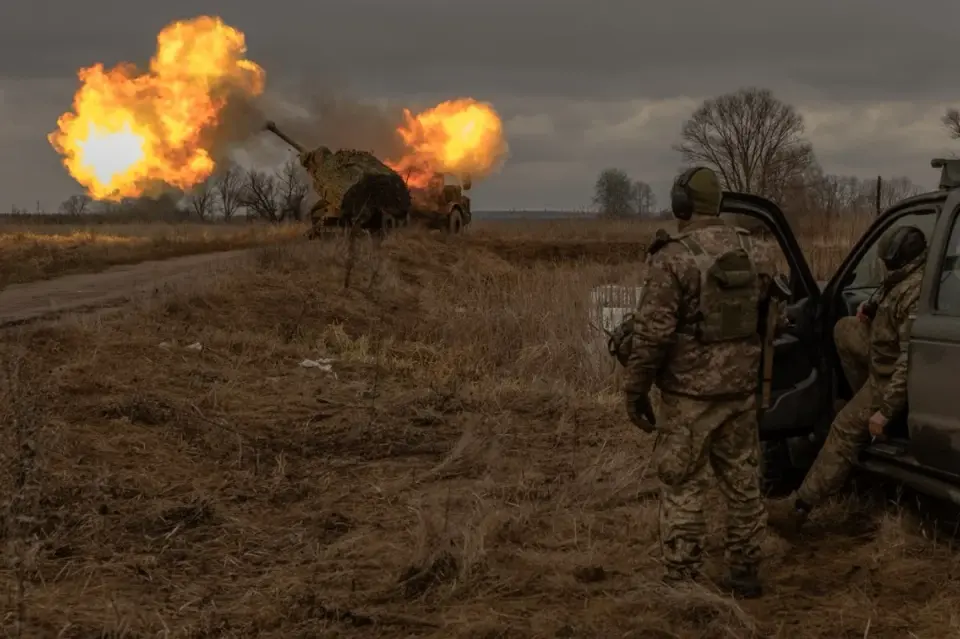
President Zelensky announced that Ukrainian forces liberated 96.2 square kilometers in October, exceeding Russian gains by 10.4 square kilometers, while inflicting a record 54,400 casualties on Russian troops. A key component of this success was the Unmanned Systems Forces, which accounted for nearly 31 percent of total losses. Simultaneously, Ukrainian troops executed Operation Veles, a subterranean counteroffensive near Kupiansk that disrupted Russian infiltration routes through gas pipelines.
Key points
- Zelensky stated that October marked the highest monthly casualty toll since the full-scale invasion began in 2022, with Russian daily losses peaking at 2,250 on Oct. 21.
- Ukraine’s Unmanned Systems Forces (USF) reported 16,796 Russian casualties in October, striking 64,807 targets across 255,605 missions.
- Operation Veles involved Ukrainian troops fighting inside gas pipelines near Kupiansk to block Russian infiltration across the Oskil River, advancing over nine miles underground.
- Ukrainian precision strikes destroyed an S-400 command post and a Pantsir-S2 complex in the Rostov region, valued at $70 million.
- The Economist estimates total Russian casualties since 2022 range between 1.4 million and 2.1 million, with battlefield fatalities between 374,000 and 770,000.
Background
This development follows a trend of escalating Russian losses, with September 2026 seeing 46,230 casualties. Previous operations like Vivaldi had already reversed Russian gains, but October’s figures represent a new peak. The underground tactics in Kupiansk build on earlier reports of Russian use of gas pipelines for infiltration, which Ukraine has now countered with specialized engineering and combat units.
How outlets are covering it
Kyiv Post and The New York Times emphasize the strategic success of Ukraine’s drone and underground operations, highlighting the shift to subterranean warfare as a critical adaptation to drone threats. Gwara Media confirms the immediate tactical result of Operation Veles, noting that no new Russian infiltrations into Kupiansk have been recorded since the operation, though Russian troops remain in northern districts. Eurasia Review, citing the Hudson Institute, provides a broader analysis, noting that while the underground campaign is a tactical success, it places extreme physical demands on soldiers and requires sustained engineering support. It also warns of new Russian threats, such as the Filin cruise missile, which could strain Ukrainian air defenses despite current interception improvements.
Why it matters
The record casualties and territorial gains suggest Ukraine is inflicting unsustainable losses on Russia, potentially forcing Moscow to the negotiating table. The success of underground warfare indicates a significant evolution in military tactics, offering protection from aerial surveillance and drones. However, the reliance on such extreme measures highlights the intensity of the conflict and the strain on both military and civilian infrastructure.
What to watch
Analysts will monitor whether Russia can mass-produce the Filin cruise missile to offset Ukrainian gains. Ukraine is expected to continue expanding underground networks and drone operations to maintain pressure on Russian logistics and supply chains. The outcome of Operation Veles will determine if Ukraine can fully secure Kupiansk and prevent further Russian infiltration.
- Zelensky Says Ukraine Liberated 96 Sq Km in October, Set Losses Mark Kyiv Post
- Ukrainians Are Fighting Russians Inside Underground Gas Pipes. I Went in One. The New York Times
- Ukraine's Zelenskiy says territory recaptured, forces on the offensive Reuters
- Ukraine doesn’t record new Russian infiltrations in Kupiansk after underground counteroffensive Gwara Media
- Ukraine Goes Underground Near Kupiansk As Front Lines Hold Against Russian Missiles - Analysis Eurasia Review
Want the full story? Read the original reporting
Read on Kyiv Post