
Ukraine's Jet-Drone Interception Rate Rises to 57% as Kyiv Tests New Countermeasures
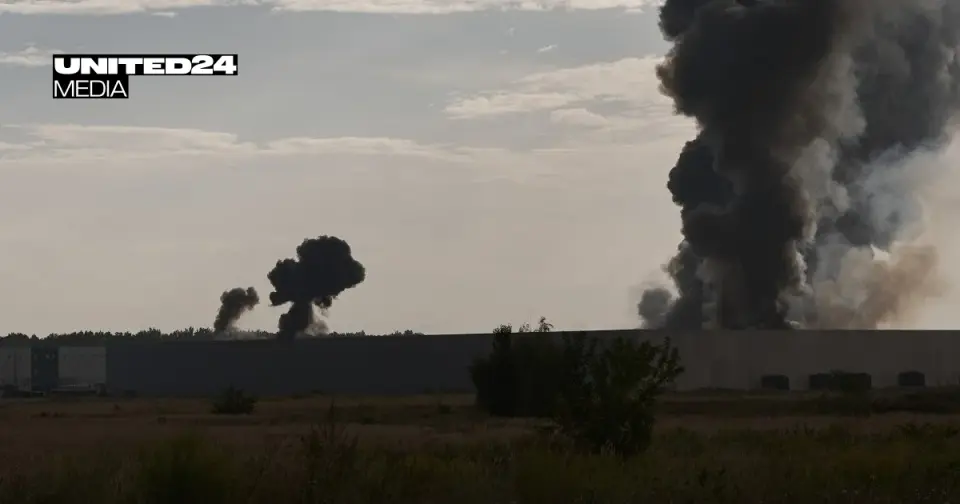
Ukrainian President Volodymyr Zelenskyy reported on September 28 that Ukraine now intercepts 57% of Russian jet-powered drones, up from 55% in late September. While the overall drone interception rate stands at 70%, Zelenskyy called the jet-drone figure 'significantly lower than needed.' Ukrainian forces are actively testing new interceptor systems, including a turbojet delta-wing design, to close the gap. The Washington Post reported that recent strikes on Kyiv’s National Academy of Sciences and a medical center highlight the persistent threat, while Ukrinform confirmed that engineers have successfully tested countermeasures against Shahed drones.
Key points
- Zelenskyy stated the overall drone interception rate is 70%, but only 57% for jet-powered models.
- Ukrainian forces are testing new interceptor systems, with some units already deploying them in combat.
- The Washington Post reported that jet-powered drones struck Kyiv’s National Academy of Sciences and a medical center on September 28.
- Ukrinform reported that commander Robert 'Magyar' Brovdi confirmed successful tests of new countermeasures against Shahed drones.
- Developers are refining these systems for scaled domestic production to address the interception gap.
Background
In late September, Ukraine reported a 55% interception rate for jet-powered drones, prompting Zelenskyy to warn of Russia’s expanding war capacity. Earlier in September, Ukraine unveiled a turbojet delta-wing interceptor designed to counter Geran-5 drones, marking a shift from small quadcopters to faster, winged interceptors. Russia has intensified its drone campaign, firing roughly 1,500 drones in recent days, including about 800 jet-powered models, as winter approaches.
How outlets are covering it
UNITED24 Media and Ukrinform emphasize Ukraine’s progress in developing and testing new countermeasures, with Zelenskyy and commander Brovdi highlighting successful intercepts. The Washington Post focuses on the human impact, describing Kyiv as a 'frontline city' due to recent strikes on critical infrastructure. While UNITED24 cites a 57% interception rate, earlier archive data from late September showed 55%, indicating a slight improvement. All sources agree that jet-powered drones remain a significant challenge, but differ in emphasis: UNITED24 and Ukrinform focus on technological solutions, while The Washington Post highlights the ongoing threat to civilian areas.
Why it matters
The rising interception rate signals Ukraine’s ability to adapt to Russian technological advances, but the 57% figure still leaves a significant gap. Successful testing of new countermeasures could reduce damage to critical infrastructure and civilian areas, potentially altering the dynamics of the drone war. However, the persistent threat underscores the need for continued investment in air defense and domestic production to counter Russia’s expanding drone capabilities.
What to watch
Ukrainian forces will continue testing and deploying new interceptor systems, with developers refining platforms for scaled domestic production. The focus will be on closing the interception gap for jet-powered drones, which remain a key threat. Ukraine may also seek international support to address interceptor shortages, as noted in earlier reports. The outcome of these efforts will determine the effectiveness of Ukraine’s air defense in the coming months.
- “Significantly Less Than Needed”: Zelenskyy Reveals Ukraine’s 57% Interception Rate for Jet Drones united24media.com
- Russia’s jet-powered drones are turning Kyiv into a daytime war zone The Washington Post
- Ukrainians say their drone-on-drone war is clocking speeds faster than Formula 1 cars Yahoo
- 'Magyar': Ukrainian engineers successfully test jet-powered countermeasures against Shahed drones Ukrinform
- Putin claims that Ukraine has no ‘antidote’ to Russia’s new jet-powered drones. Kyiv has already shown it can shoot them down, but doing it at scale could cost billions. Meduza
Want the full story? Read the original reporting
Read on united24media.com