
Ukraine Strikes Ust-Luga Port as 516 Drones Intercepted Across Russia
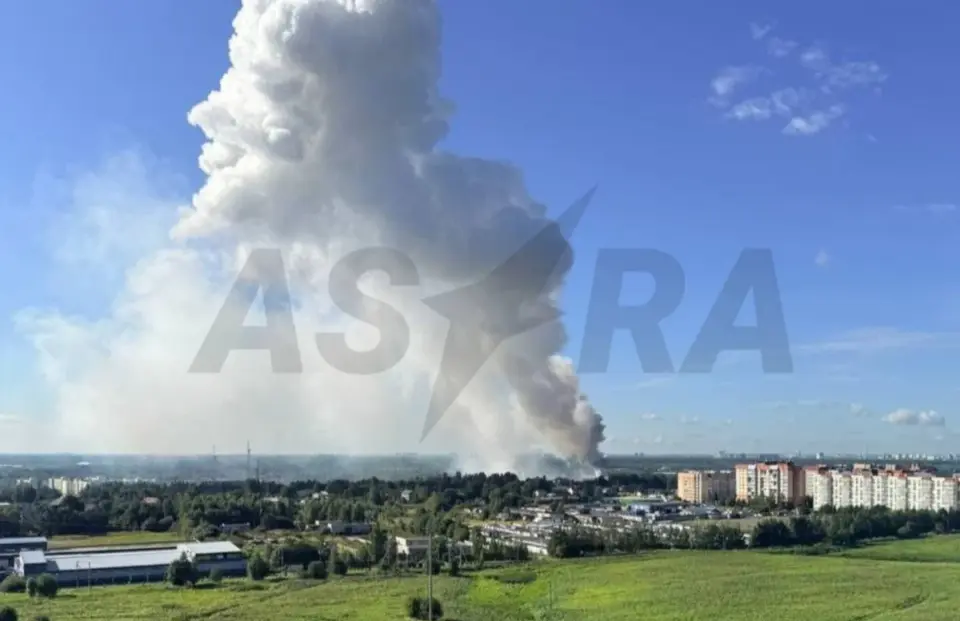
Ukraine launched a massive drone assault on Russia’s Leningrad Region on September 1, 2026, targeting the Ust-Luga port and sparking a fire. Russian authorities claimed 516 drones were intercepted nationwide, while Estonia scrambled NATO jets after airspace violations. The attack highlights ongoing pressure on Russian energy infrastructure amid a widening fuel crisis.
Key points
- Ukrainian drones struck the Ust-Luga port in Leningrad Region, causing a fire that was extinguished by 9:30 a.m. Moscow time with no reported casualties.
- Russia’s Defense Ministry claimed 516 Ukrainian drones were destroyed across 18 regions, including Leningrad, Samara, and occupied Crimea.
- Estonia scrambled NATO fighter jets after several drones reportedly entered its airspace, triggering air raid alerts near the border.
- Ust-Luga, Russia’s largest Baltic port, handles approximately 700,000 barrels of oil daily and was previously targeted on August 14.
- Ukraine’s General Staff reported strikes on Russian military facilities in Crimea, Zaporizhzhia, and Belgorod, including drone storage sites and fuel depots.
Background
This attack follows a series of Ukrainian strikes on Russian energy infrastructure, including a drone swarm on the Kirishi refinery near St. Petersburg on August 31 and a previous hit on Ust-Luga on August 14. These operations are part of a broader campaign to disrupt Russian oil exports and refine capacity, which has contributed to a domestic fuel shortage in Russia. Earlier in 2026, large-scale drone attacks on Moscow and other cities demonstrated Kyiv’s expanding reach into Russian territory.
How outlets are covering it
Kyiv Post and The Moscow Times emphasized the scale of the Russian air defense response, citing 516 intercepted drones and 52 shot down over Leningrad alone. Ukrinform focused on the immediate impact on Ust-Luga, noting the fire and temporary suspension of flights at Pulkovo Airport. Meduza provided broader context on the fuel crisis, highlighting a debate between economists over whether Russian refining capacity has collapsed or remains resilient, with some estimating a 65-70% drop in output. While Russian officials downplayed the damage, independent outlets like Astra reported fires in nearby towns, suggesting wider impact than officially acknowledged.
Why it matters
The strike on Ust-Luga underscores Ukraine’s ability to target critical energy infrastructure deep inside Russia, disrupting oil exports and exacerbating a domestic fuel crisis. The incident also highlights the escalating tensions with NATO, as drone incursions into Estonian airspace prompted a military response. This attack reflects a shift in the war’s dynamics, with Ukraine increasingly leveraging drone swarms to degrade Russian military and economic capabilities.
What to watch
Russia is likely to reinforce air defenses around key energy hubs, while Ukraine may continue targeting refineries and ports to sustain pressure on Russian fuel supplies. The fuel crisis in Russia could lead to further economic strain, potentially influencing Moscow’s strategic decisions. NATO’s involvement may escalate if drone incursions into allied airspace continue, raising the risk of broader conflict.
- Ukraine Attacks Russia’s Ust-Luga Port With 52 Drones as NATO Jets Scramble Over Estonia Kyiv Post
- Drones attack Ust-Luga port in Leningrad region, fire breaks out – media Ukrinform
- Ukrainian Drone Attack Sparks Fire at Ust-Luga Port The Moscow Times
- Is Russia’s fuel crisis a temporary squeeze or the collapse of an industry? Two leading economists debated the question, unable to agree on how much refining capacity is left. Meduza
- Ukrainian Drones Hit Novatek Complex Near Saint Petersburg in Deep Strike Operation UNITED24 Media
Want the full story? Read the original reporting
Read on Kyiv Post