
Russian Forces Fail to Breach Sumy via Gas Pipeline
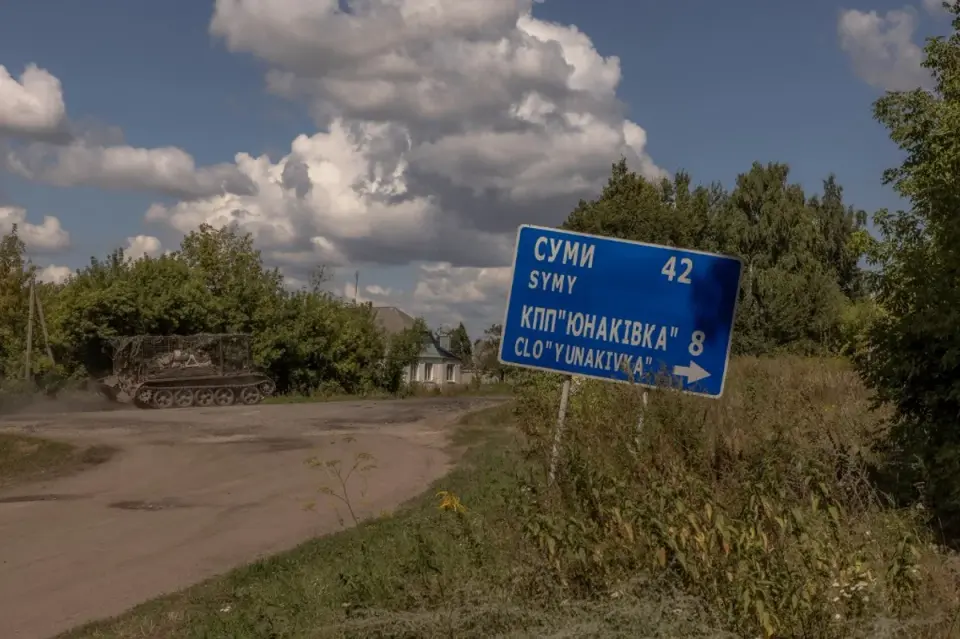
Russian troops attempted two failed infiltrations into Ukraine’s Sumy region via the Urengoy-Pomary-Uzhhorod gas pipeline over the past week. Ukrainian forces intercepted the groups, killing 29 soldiers in one engagement. These tactics aim to disrupt defenses before larger offensives but have yielded no territorial gains.
Key points
- Russian forces attempted two infiltrations through the Urengoy-Pomary-Uzhhorod pipeline near Sudzha, Kursk, over the past ten days.
- The first attempt on Sept. 12 involved a 10-man group ambushed by Ukrainian forces upon emerging from the pipeline.
- A second, larger platoon-sized group emerged near Mala Korchakivka on Sept. 13, resulting in 29 Russian deaths and three wounded.
- ISW assessed these moves as preparatory for renewed offensives on Sept. 20-21, which failed to advance.
- This tactic mirrors previous Russian use of underground infrastructure in Avdiivka (2024), Kursk (2025), and Kupyansk (2025).
Background
Russia has previously utilized underground infrastructure to bypass Ukrainian defenses. In January 2024, troops used drainage pipes in Avdiivka. In March 2025, special forces traveled 16 km inside the same gas pipeline near Sudzha. In September 2025, troops used the 'Soyuz' pipeline near Kupyansk, traveling for four days on electric scooters before being destroyed. These incidents highlight a recurring pattern of using subterranean routes to circumvent frontline obstacles, though all previous attempts resulted in significant Russian casualties or failure to hold ground.
How outlets are covering it
Kyiv Post and UNITED24 Media both rely on ISW data, confirming two failed pipeline infiltrations in Sumy. Kyiv Post emphasizes the specific casualty count of 29 killed in the second engagement, while UNITED24 Media highlights the broader context of Russian attempts to bypass defenses. ISW’s assessment focuses on the strategic intent to disrupt Ukrainian defenses ahead of larger offensives, noting that despite these infiltrations, Russian forces made no confirmed advances in Sumy on Sept. 20-21. Russia Matters provides broader territorial context, noting that while Russia gained 58 square miles in the past four weeks overall, the Sumy front remains a stalemate with no significant Russian progress, contrasting with gains in other sectors like Kharkiv and Donetsk.
Why it matters
The repeated use of gas pipelines for infiltration indicates a shift in Russian tactics to overcome entrenched Ukrainian defenses in the north. While these attempts have failed, they signal an effort to create buffer zones and disrupt Ukrainian logistics. The high casualty rate in these engagements suggests that such tactics are costly and ineffective for achieving strategic objectives, reinforcing the broader trend of Russian stagnation on the northern front despite continued offensive pressure.
What to watch
Ukrainian forces are expected to maintain heightened vigilance along the Sumy border, particularly around pipeline infrastructure. Russian forces may continue to attempt infiltrations to support larger offensives, but ISW assesses that these tactics are unlikely to yield significant territorial gains. The focus will likely remain on disrupting Ukrainian defenses and logistics, with potential shifts in strategy if these attempts continue to fail.
- Russia Attempts to Infiltrate Ukraine Through Pipeline from Kursk Kyiv Post
- Russian Offensive Campaign Assessment, September 21, 2026 Institute for the Study of War
- The Russia-Ukraine War Report Card, Sept. 16, 2026 Russia Matters
- Russian Troops Again Use Gas Pipeline to Sneak Into Ukraine, ISW Says UNITED24 Media
- Russians are trying to break through Ukraine's defenses on several fronts, according to the ISW UA.NEWS
Want the full story? Read the original reporting
Read on Kyiv Post