
Ukraine Targets Deep-Strike Missile Fuel and Launch Infrastructure in Russia
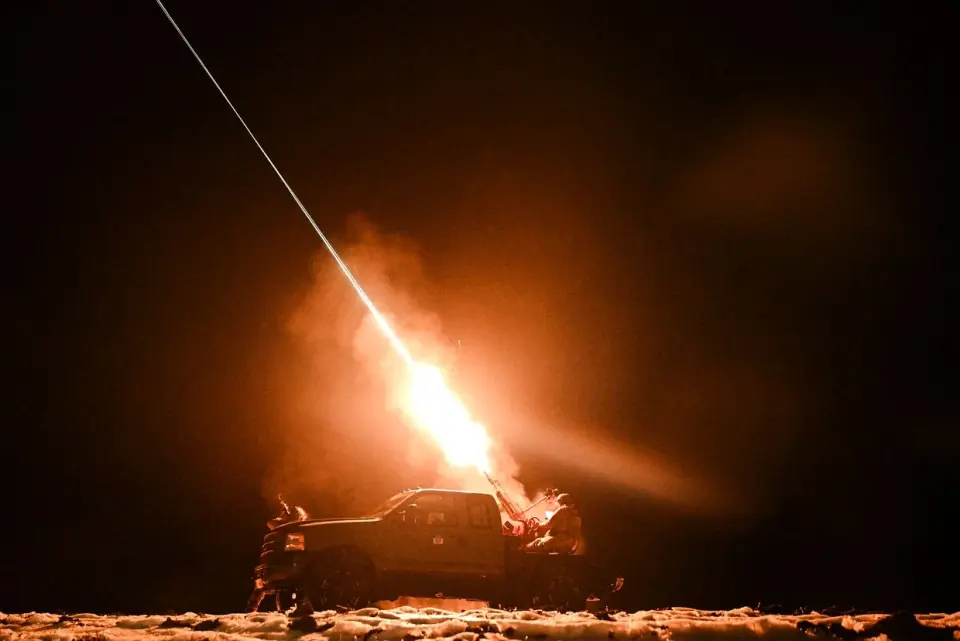
Ukraine’s General Staff confirmed strikes on three Russian facilities involved in missile launch systems and fuel production on October 9. Targets included the Barmin Research Institute and a center for intercontinental ballistic missile disposal in Nizhny Novgorod Oblast, as well as the Redkino Experimental Plant in Tver Oblast, which produces components for Kh-55 and Kh-101 cruise missiles. The Redkino plant, previously hit in February 2026, is under international sanctions. Separately, independent media reported drone strikes on the Lukoil Ukhta refinery in Komi Republic and an oil depot near Belgorod. These operations coincide with rising diplomatic tensions, as US President Donald Trump criticized Kyiv for attacking Russian refineries, while Zelensky maintained that such strikes are necessary self-defense measures to degrade Russian military potential.
Key points
- Ukraine’s General Staff confirmed strikes on the V.P. Barmin Research Institute of Launch Complexes and the Center for the Disposal of Intercontinental Ballistic Missiles in Nizhny Novgorod Oblast.
- The Redkino Experimental Plant in Tver Oblast was targeted; it produces Decilin-M rocket fuel components for Kh-55 and Kh-101 cruise missiles and is subject to US, UK, and other international sanctions.
- Independent Russian outlets and monitoring channels reported strikes on the Lukoil Ukhta refinery in Komi Republic, located 1,700 kilometers from the Ukrainian border, and an oil depot north of Belgorod.
- The General Staff stated that the strikes aim to weaken Russia’s capacity to produce explosives and rocket fuel, citing Article 51 of the UN Charter as justification for self-defense.
- US President Donald Trump publicly criticized Ukraine for attacking Russian refineries, suggesting Kyiv should have a new president, while Ukrainian President Volodymyr Zelensky defended the strikes as essential to reducing the aggressor’s military and technological potential.
Background
This operation follows a sustained Ukrainian campaign targeting Russian energy and military infrastructure, including strikes on the Azov Optical-Mechanical Plant in Rostov in late September and multiple oil depots in Krasnodar Krai in late September. In early October, Ukraine escalated attacks on refineries in Samara and Oryol, defying US President Trump’s calls for an energy ceasefire linked to global diesel prices. Zelensky previously confirmed the first combat use of the FP-7 tactical ballistic missile and requested development of the longer-range FP-9 variant. The current strikes occur amid intensified Russian drone and missile attacks on Ukrainian cities, including Kyiv and Zaporizhzhia, which have caused significant civilian casualties and infrastructure damage.
How outlets are covering it
The Kyiv Independent and Ukrpravda both relied on the Ukrainian General Staff’s official confirmation of strikes on missile-related facilities in Nizhny Novgorod and Tver oblasts, emphasizing the strategic importance of disrupting Kh-55 and Kh-101 cruise missile fuel production. UNITED24 Media corroborated the missile facility strikes but also highlighted additional targets in occupied territories, including a Pantsir-S1 air defense system near Kudepsta and drone launch sites in the Donetsk area. Ukrinform focused on tactical successes, such as the destruction of a Russian Osa anti-aircraft system by the Signum Unmanned Systems Battalion, without detailing the deep strikes on Russian soil. While all sources agree on the occurrence of strikes, they differ in emphasis: Kyiv Independent and Ukrpravda highlight the strategic impact on Russia’s missile capabilities, UNITED24 Media provides a broader operational picture including front-line engagements, and Ukrinform focuses on specific tactical drone victories. Independent Russian media, cited by The Kyiv Independent, reported on the Lukoil Ukhta refinery strike, which Ukraine’s military has not officially confirmed, highlighting a gap in official verification for some energy targets.
Why it matters
These strikes represent a significant escalation in Ukraine’s deep-strike campaign, targeting the core of Russia’s missile production and fuel supply chain. By hitting facilities that produce components for Kh-55 and Kh-101 cruise missiles, Ukraine aims to degrade Russia’s ability to conduct mass missile strikes on Ukrainian cities. The strikes also coincide with a diplomatic crisis, as US President Trump’s criticism of Ukraine’s refinery attacks and his push for an energy truce with Russia create pressure on Kyiv to balance military necessity with diplomatic constraints. The targeting of the Lukoil Ukhta refinery, located 1,700 kilometers from the border, demonstrates the expanding reach of Ukrainian drone capabilities and the vulnerability of Russia’s energy infrastructure, potentially impacting global fuel markets and Russian war financing.
What to watch
Russia is likely to retaliate with intensified drone and missile strikes on Ukrainian energy infrastructure and civilian targets, as seen in recent attacks on Kyiv and Zaporizhzhia. Ukraine may continue targeting Russian missile and energy facilities, potentially using longer-range systems like the FP-9 ballistic missile if developed. Diplomatic tensions between the US and Ukraine may escalate, with Trump potentially leveraging economic pressure or sanctions relief to force Kyiv to halt strikes on Russian refineries. Russia may also respond by tightening security around its energy and military infrastructure, potentially leading to further international sanctions or diplomatic fallout. The situation could also influence global oil and diesel prices, as disruptions to Russian refining capacity may affect global supply chains.
- Ukraine confirms strikes on Russian cruise missile fuel plant, missile facilities The Kyiv Independent
- Ukrainian forces strike facilities involved in missile launches and production of fuel for Kh-101 missiles Українська правда
- Defense Forces strike Russian Osa air defense system with drones in eastern sector Ukrinform
- Ukraine Hits Russian Pantsir-S1 Air Defense System, Drone Launch Site and Ammunition Depots UNITED24 Media
- Fire Breaks Out at Oil Depot Near Belgorod After Overnight Attack Мілітарний
Want the full story? Read the original reporting
Read on The Kyiv Independent