
Flydubai hijacking sparks debate over Iran’s potential pilot radicalization strategy
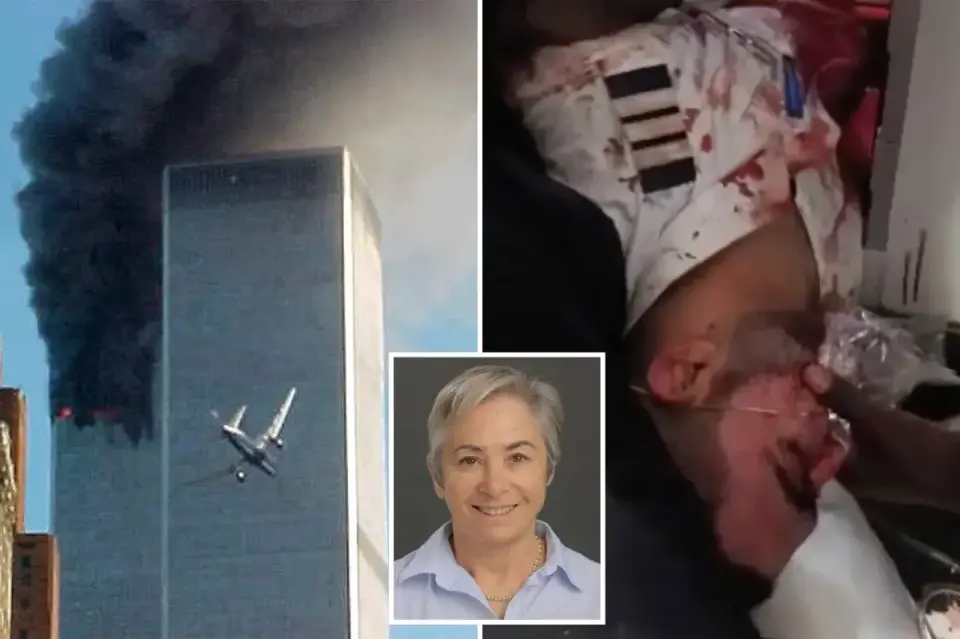
An Omani co-pilot attempted to crash a Flydubai aircraft bound for Israel, killing his colleague and injuring others before passengers subdued him. While authorities treat this as an insider terror attack, experts warn it may signal a new Iranian tactic of radicalizing airline pilots, though no direct state link has been confirmed.
Key points
- Omani co-pilot Hamam al-Hammami attacked the captain on Flight FZ1073, causing the plane to plunge before passengers and crew regained control and landed safely in Saudi Arabia.
- Former IDF colonel Miri Eisin suggests Iran may be using propaganda to radicalize pilots, creating a new class of 'suicide bombers' with access to cockpits.
- Former Mossad deputy head Oded Ailam argues that recruiting a pilot is a complex, long-term process, likely achieved through passive radicalization rather than direct recruitment.
- U.S. and Israeli officials have not confirmed direct Iranian involvement, treating the incident primarily as an insider terrorism case.
- The attack coincides with a separate incident at RAF Fairford in England, where British authorities found 'strong indications' of Iranian involvement in a suspected plot against a U.S. bomber base.
Background
This incident follows MI5 warnings in September 2026 that a 9/11-scale attack may be forming out of sight, highlighting evolving threats to aviation security. It also occurs amid heightened tensions between the U.S. and Iran, with ongoing negotiations over the Strait of Hormuz and military operations in the region.
How outlets are covering it
The New York Post and The Jerusalem Post emphasize the potential for Iran to radicalize pilots as a new terror tactic, citing expert warnings about passive indoctrination. WTOP News and The Independent caution that while the Flydubai case lacks direct evidence of state sponsorship, the RAF Fairford incident has stronger Iranian links, urging against premature conclusions about coordination. All sources agree the event is a serious security threat but differ on the certainty of Iranian state involvement.
Why it matters
The incident raises concerns about a new vector for terrorism where trained pilots, rather than hijackers, could be radicalized, potentially bypassing traditional security screenings. It also highlights the blurred line between state-sponsored terrorism and lone-wolf attacks in the context of the Iran conflict.
What to watch
Investigations into the co-pilot’s radicalization and communications are ongoing. Airlines may implement new cockpit access technologies, and authorities will continue to assess links between the Flydubai and RAF Fairford incidents.
- Iran’s terrifying new terror tactic may be turning airline pilots into 9/11-style attackers, former IDF colonel warns New York Post
- What we know and don't know about how Iran uses asymmetric warfare The Independent
- Iran-linked social media accounts posing as Israelis to target election, investigation reveals The Jerusalem Post
- Iran Links to Recent Terrorist Plots Hudson Institute
- Analysis: Is Iran taking the war abroad? WTOP News
Want the full story? Read the original reporting
Read on New York Post