
Gulf Oil Flows Rebound to 72% as US Leverage Grows Amid Iran’s Economic Collapse
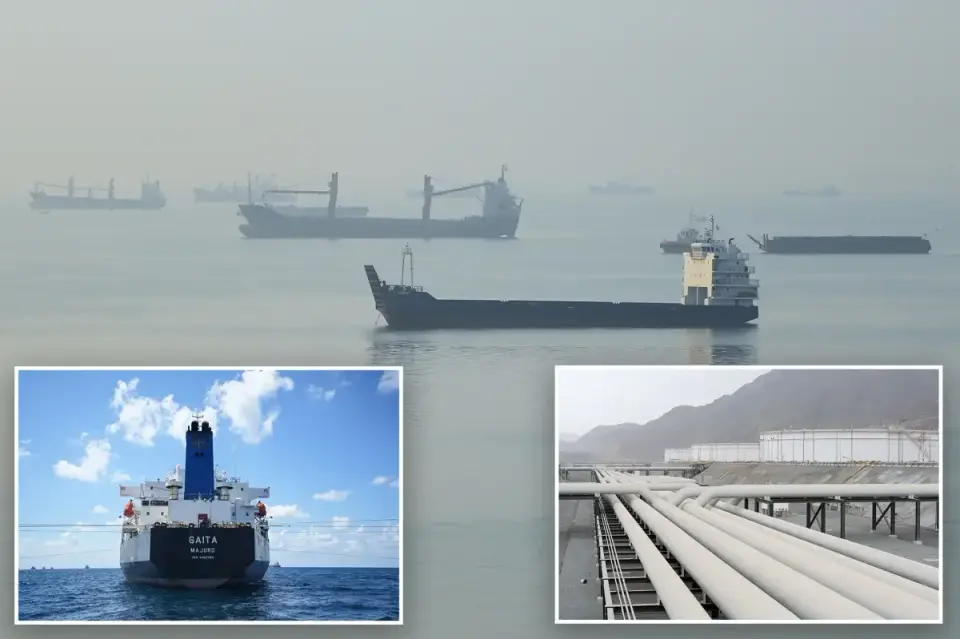
Persian Gulf oil exports have recovered to 72% of pre-war levels, with daily flows through the Strait of Hormuz reaching 7.3 million barrels. While the US reports Iran is economically 'exhausted' by its naval blockade, Tehran continues to threaten shipping and rejects US demands for a nuclear deal.
Key points
- Maritime tracker Kpler reports September oil exports from the Gulf averaged 13 million barrels per day, up from 250,000 in August.
- US Energy Secretary Chris Wright stated that transits exceeded pre-war levels for at least one day, surpassing 20 million barrels.
- The Iranian rial has collapsed to 2.45 million per US dollar, a sharp decline from 42,000 a year ago.
- Iran’s hardliners have rejected US offers of sanctions relief in exchange for a nuclear deal, with some calling for an end to NPT cooperation.
- The International Maritime Organization reports 22 seafarers killed in 79 confirmed attacks in the Strait since the war began.
Background
Since the US and Israel declared war on Iran in February 2026, the US Navy has maintained a blockade that slashed Iranian oil exports to near zero by August. Previous covert US operations guided tankers through southern channels to maintain global supply, but current data shows a significant, though incomplete, recovery in overall Gulf output.
How outlets are covering it
The New York Post emphasizes the US strategy of 'strangling' Iran economically, citing officials who describe Tehran as 'exhausted' and ready to negotiate. Iran International highlights the diplomatic deadlock, noting that while oil flows rise, Iran’s military officials continue to threaten US forces and reject the sequencing of concessions. Chosunbiz points out that while overall flows are recovering, Iran’s specific crude exports have plummeted to 15 million barrels, with analysts warning that Iran may resort to more explosive military action to break the stalemate.
Why it matters
The partial recovery of oil flows reduces the immediate leverage Iran holds over global energy prices, shifting the balance of power in negotiations. However, the continued threat of military escalation and the collapse of the Iranian currency indicate that the conflict remains volatile and unresolved.
What to watch
The US is expected to maintain economic pressure until after the November midterm elections. Iran is awaiting a formal US response to its proposal for a phased reopening of the Strait, while hardliners push for a more confrontational stance against the US blockade.
- Persian Gulf oil exports hit 72% of prewar levels — as US says Iran is 'exhausted' by blockade New York Post
- Crude oil exports via Hormuz at 33.7 million barrels this week, data shows Reuters
- Hormuz oil flows rise despite Iran threats against shipping iranintl.com
- Trump rejects Iran’s peace offer claiming ‘record oil shipments’ The Times
- Middle East oil flows rebound as Iran loses Hormuz leverage - CHOSUNBIZ Chosunbiz
Want the full story? Read the original reporting
Read on New York Post