
Pre-Flood Warnings: ICIMOD Reports Highlighted Accelerating Himalayan Glacier Loss Before August Catastrophe
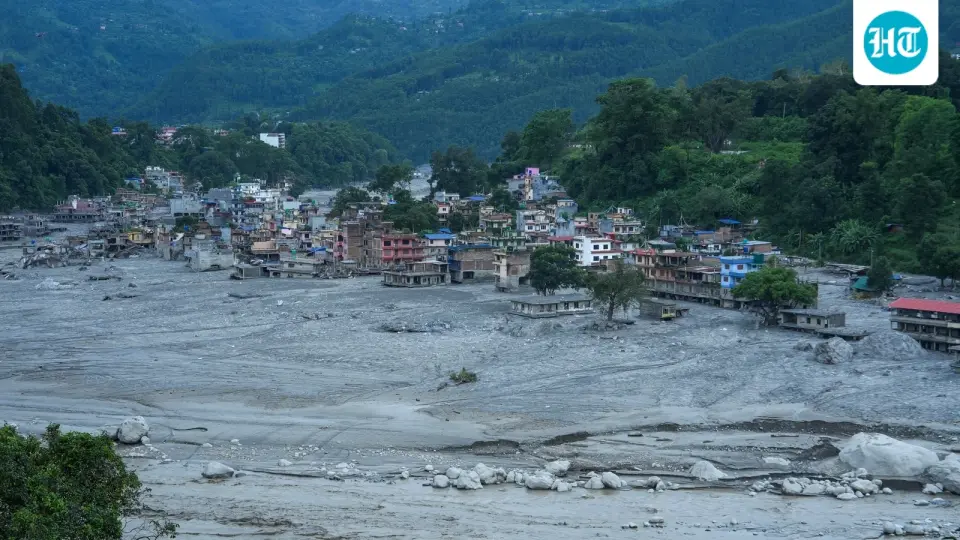
Months before the August 2026 flash floods on the Nepal-China border, reports by the International Centre for Integrated Mountain Development (ICIMOD) warned that glaciers in the Hindu Kush Himalaya were melting at double the rate since 2000. The August 26 disaster, which killed at least 800 people and left over 3,000 missing, is attributed to a glacial avalanche and subsequent dam breach. While the exact cause remains under investigation, experts note that rapid warming is increasing the frequency of such unstable ice collapses across the region.
Key points
- ICIMOD reports released for World Glaciers Day indicated that Hindu Kush Himalaya glaciers have lost up to 27 meters of ice thickness since 1975, with melt rates doubling since 2000.
- The August 26 flood surge swept through the Bhote Koshi and Trishuli valleys, killing at least 800 people and leaving over 3,000 missing, with the disaster reportedly triggered by a 600-meter-wide section of glacier breaking free.
- Approximately 78% of the region's glacier area, located between 4,500 and 6,000 meters above sea level, is highly exposed to elevation-dependent warming, threatening nearly two billion downstream people who rely on meltwater.
- Scientists are still determining the precise cause of the August floods, but initial assessments suggest a combination of glacial avalanche, rock collapse, and temporary dam formation, rather than a traditional Glacial Lake Outburst Flood (GLOF).
- India has responded to the risks by focusing on volume reduction of vulnerable glacial lakes, improving monitoring systems, and implementing early-warning systems to protect downstream communities.
Background
Our archive from August 28, 2026, confirmed that the USGS identified the cause of the initial flood surge as a glacial collapse near Langtang Lirung, not an earthquake. Earlier coverage from August 29, 2026, noted that ICIMOD had published warnings in March 2026 regarding accelerating glacier melt and potential tipping-point risks, which were followed days later by the deadly floods. Additional context from August 31, 2026, highlighted the logistical and cultural challenges in managing the aftermath, including temporary burials of unidentified victims to address health risks and morgue capacity.
How outlets are covering it
Hindustan Times emphasizes the predictive nature of ICIMOD reports, highlighting that warnings about livelihood threats were issued months before the disaster. The New York Times focuses on the terrifying visual evidence of the flood and the increasing certainty that such events will become more frequent due to climate change. National Geographic provides a broader global context, noting that while the Himalayas are particularly vulnerable due to steep slopes and infrastructure, similar glacial hazards are occurring in places like Greenland, Alaska, and the Swiss Alps. The Stimson Center, while largely obscured by technical code in the provided source, is referenced in the context of the cascading disaster on the Nepal-China border. There is a consensus across outlets that while the exact mechanism of the August 26 event is still being investigated, the underlying driver of accelerated glacier melt is a critical, ongoing threat.
Why it matters
The August 2026 floods underscore the immediate and severe consequences of rapid glacier loss in the Hindu Kush Himalaya. With nearly two billion people dependent on meltwater from the region's 63,700 glaciers, the accelerating rate of ice loss poses a direct threat to water security and livelihoods. The disaster highlights the limitations of current monitoring and early-warning systems in developing nations, where the cost of sophisticated, continuous monitoring is often prohibitive. As climate change continues to destabilize high-altitude terrain, the frequency and magnitude of such catastrophic events are expected to rise, necessitating urgent international cooperation and investment in hazard mitigation and community preparedness.
What to watch
Scientists and authorities in Nepal are working to identify sites of future glacial outbursts and develop hazard maps and community preparedness plans. India is continuing to focus on volume reduction of vulnerable glacial lakes and improving early-warning systems. The exact cause of the August 26 flood is still under investigation, but the focus is shifting toward long-term strategies to mitigate the risks posed by unstable glaciers and unregulated construction in flood-prone areas.
- Months before Nepal floods, reports flagged livelihood threat from rapid glacier loss in Hindu Kush Himalaya | World News Hindustan Times
- Melting Himalayas The New York Times
- Nepal’s Glaciers Will Flood Again. Can Scientists Predict the Next One? National Geographic
- A Cascading Disaster on the China–Nepal Border: What to Know About the August 2026 Rasuwa Flood, 72 Hours Later Stimson Center
- Monday briefing: Nepal and Tibet’s floods are a warning for the future The Guardian
Want the full story? Read the original reporting
Read on Hindustan Times