
Japan Hits 107,677 Centenarians, Marking First Global Milestone
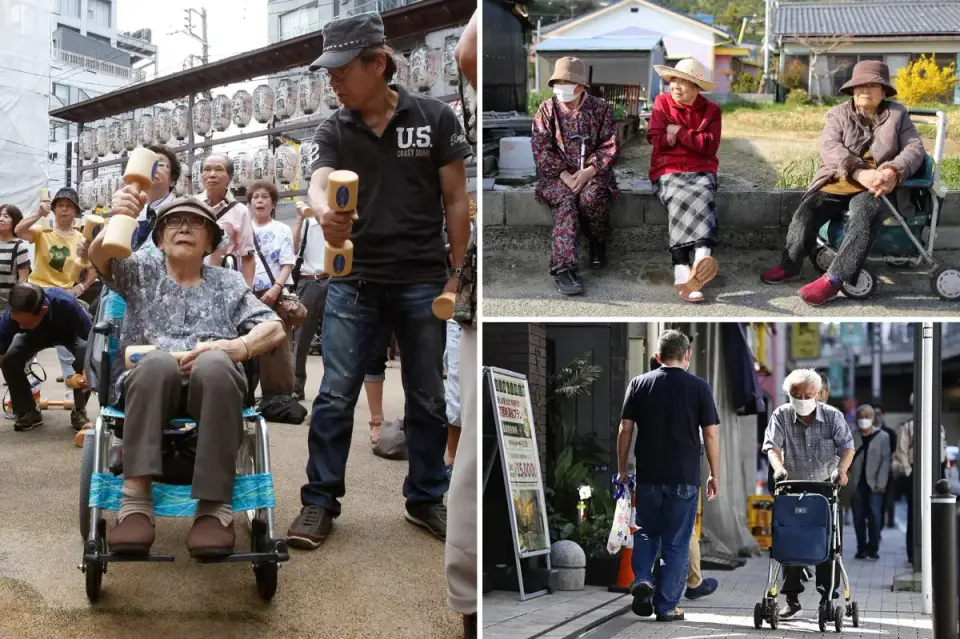
Japan has officially surpassed 100,000 people aged 100 or older, reaching a record 107,677 as of September 2026. This milestone, the first of its kind globally, reflects the country’s high life expectancy but highlights severe demographic challenges, including a record-low fertility rate of 1.14 and a shrinking workforce.
Key points
- The number of Japanese centenarians rose by 7,914 to 107,677, marking the 56th consecutive year of increase.
- Women account for 88% of this group, with 94,298 female and 13,379 male centenarians recorded.
- Japan’s oldest residents are Fuyo Kishimoto, 114, and Hikaru Kato, 112.
- The country’s total fertility rate dropped to a record low 1.14 in 2025, far below the 2.1 needed for population stability.
- Experts project Japan’s population will decline to 87 million by 2070, with nearly 40% aged 65 or older.
Background
Japan has long been recognized for its longevity, with life expectancy reaching 84 years in 2024. Previous data showed the centenarian population grew from 153 in 1963 to over 10,000 by 1998. This latest milestone coincides with ongoing concerns about the sustainability of social security systems amid a rapidly aging society.
How outlets are covering it
While the New York Post and CNN emphasize the positive aspects of longevity and medical advancements, Scientific American and USA Today highlight the demographic strain. CNN notes the cultural concept of 'ikigai' and active lifestyles, whereas Scientific American cites epidemiologist Jay Olshansky, who warns that longer lives without good health are problematic. USA Today points out that the US had an estimated 101,000 centenarians in 2024, but notes this is a projection, not a direct census count like Japan’s.
Why it matters
This milestone underscores the critical balance between longevity and demographic sustainability. As Japan’s population ages and shrinks, pressure on public resources and healthcare systems intensifies, influencing global discussions on aging societies and the quality of life in later years.
What to watch
The Japanese government, led by Health Minister Kenichiro Ueno, plans to address concerns about the high costs of raising children and the burden on working parents to encourage marriage and higher birth rates. Continued monitoring of centenarian health and social security sustainability will be crucial.
- Japan breaks record with over 100K people who are at least 100 years old New York Post
- Japan Reaches a Unique Milestone, With More Than 100,000 People Aged 100 or Over The New York Times
- This country has over 100,000 people age 100 or older for first time USA Today
- For the first time, Japan has more than 100,000 centenarians CNN
- Japan just hit a new longevity milestone Scientific American
Want the full story? Read the original reporting
Read on New York Post