
Decade-long dig in northern Israel confirms identification of biblical Bethsaida
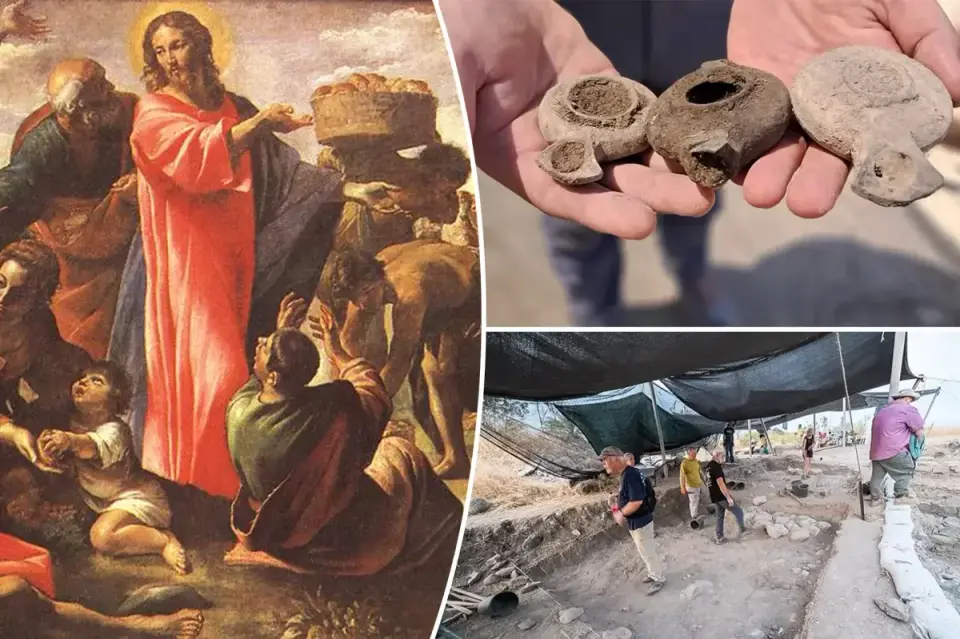
A ten-year archaeological project in northern Israel has yielded significant Roman-era artifacts, including lamps and coins, which researchers say definitively confirm the site as the biblical city of Bethsaida. The findings challenge previous assumptions about the poverty of Galilean towns during the first century.
Key points
- The Bethsaida-Julias excavation team completed its 10th season digging at the el-Araj site on the Sea of Galilee.
- Artifacts recovered include Roman-period walls, a basalt mortar, coins, and a half Doric capital from a public building.
- Intact Herodian lamps, produced only in Jerusalem before 70 CE, serve as markers for first-century Jewish presence.
- Academic director Dr. Steven Notley stated the team is 'absolutely' confident the site is the lost city of Bethsaida.
- The discoveries suggest Galilean towns were thriving under Roman occupation, contradicting views of them as poor peasant settlements.
Background
This development follows years of ongoing excavation at the el-Araj site, where previous seasons uncovered mosaics and church ruins. The current findings build upon earlier claims by Dr. Notley that this location corresponds to the biblical Bethsaida, a place associated with Jesus and several apostles in the Gospels.
Why it matters
The confirmation of Bethsaida’s location provides tangible historical evidence for a key site in the New Testament. The discovery of high-quality Roman artifacts reshapes the understanding of daily life and economic status in first-century Galilee, moving away from the traditional narrative of widespread poverty.
What to watch
Researchers will continue to analyze the accumulated evidence from all excavation squares to further refine the historical profile of the site, particularly focusing on the transition from the Hellenistic to the Roman period.
Want the full story? Read the original reporting
Read on New York Post