
Hormuz Talks Stall as Houthi Attacks and Iranian Toll Demands Escalate Shipping Crisis
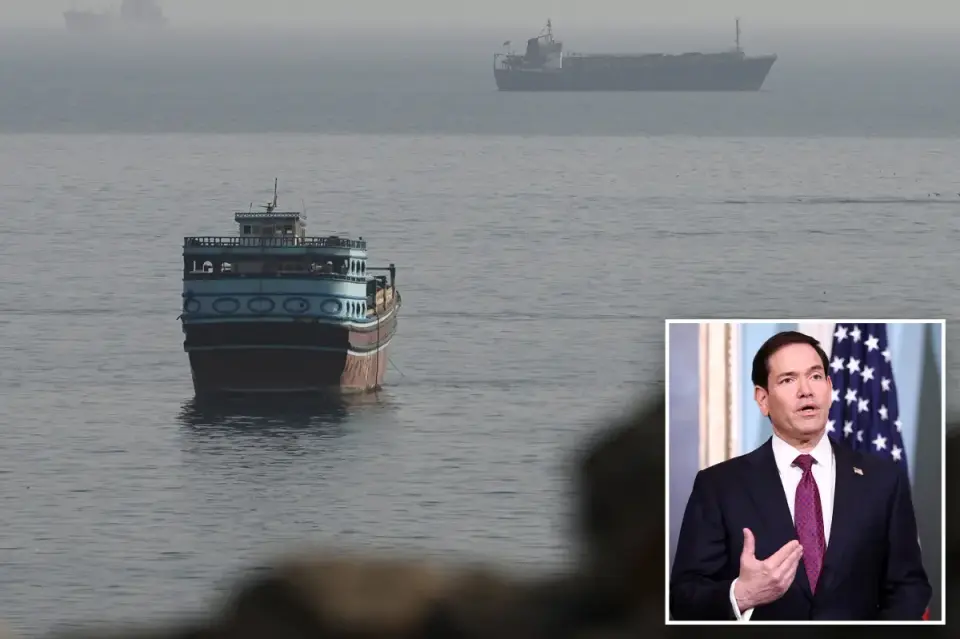
Fresh attacks on commercial vessels near Oman and the Red Sea have intensified the maritime crisis, threatening ongoing diplomatic efforts to reopen the Strait of Hormuz. While US officials claim progress in negotiations with Iran and Oman, Tehran insists it is not negotiating with Washington and demands fees for transit. Simultaneously, Houthi rebels have targeted Saudi tankers in the Red Sea, the primary alternative route, creating a 'problem stacked on top of a problem' for global energy supplies. Traffic through the strait has plummeted to a fraction of pre-war levels, with oil prices fluctuating sharply based on diplomatic signals.
Key points
- A commercial ship near Oman was struck by an unidentified projectile, while another vessel was targeted nearby, according to UK Maritime Trade Operations (UKMTO).
- Houthi rebels sank an Indian commercial vessel in the Red Sea, targeting the alternative route used by Saudi tankers since the Hormuz blockade.
- Secretary of State Marco Rubio stated that negotiations are making progress but are not final, while Treasury Secretary Scott Bessent predicted a deal could be reached within days.
- Iran’s foreign ministry denied being in talks with the US, stating discussions are limited to Oman, and rejected the idea of paying US-led tolls, insisting on its own fee structure.
- Traffic through the Strait of Hormuz dropped to 8-11 ships per day, down from over 100 pre-war, while Red Sea traffic for Asian-bound crude fell to four ships per day.
- Oil prices dipped below $77 per barrel after Bessent’s comments, though Brent crude remained around $84, reflecting market uncertainty over the conflict’s resolution.
Background
This escalation follows a brief ceasefire in June 2026 that was shattered by renewed US airstrikes in July. Since then, Iran has restricted shipping, forcing vessels to use the Red Sea or turn back. Previous incidents, including a ship running aground in July and Iran ordering tankers to divert, have kept the strait effectively closed. The current diplomatic push is part of a broader effort to prevent a full-scale war, with Trump warning of 'decapitation' strikes if a deal is not reached.
How outlets are covering it
The New York Post emphasizes the diplomatic progress, citing Rubio and Bessent’s optimism that a deal is imminent, while highlighting the US rejection of Iranian toll demands. In contrast, the BBC focuses on the deteriorating security environment, noting that the threat to oil tankers is at its worst since the war began. The BBC highlights the dual threat from both Hormuz and the Red Sea, with analysts describing the situation as 'terrible' and lacking clarity. While the Post frames the situation as a negotiation hurdle, the BBC underscores the physical danger and the potential for a 'false start' in talks without US concessions.
Why it matters
The Strait of Hormuz handles roughly 20% of global seaborne oil. Disruptions here directly impact global energy prices and supply chains. The simultaneous threat to the Red Sea alternative route leaves the world with few viable options for oil transport, increasing the risk of a global energy crisis. The diplomatic stalemate between the US and Iran, compounded by Houthi aggression, creates a volatile environment where a miscalculation could lead to a broader regional war.
What to watch
Negotiations between the US, Oman, and Iran are expected to continue, with a potential deal announced in the coming days. However, the US has firmly rejected Iranian demands for tolls, while Iran insists on its role in managing traffic. Houthi attacks on the Red Sea are likely to continue, further constraining shipping options. If talks fail, the US may resume strikes, as warned by President Trump, potentially leading to a significant escalation in the conflict.
- More commercial ships attacked in Middle East, threatening Strait of Hormuz deal with Iran New York Post
- Gulf shipping traffic steady amid uncertainty of peace talks Reuters
- Tanker reports hearing explosions in Hormuz but vessel and crew safe -- UK maritime agency The Times of Israel
- Hormuz Opening Uncertain After New Strike, as Trump Administration Says Deal May Be Close WSJ
- Threat to oil tankers in Middle East worst since start of Iran war, analysts say BBC
Want the full story? Read the original reporting
Read on New York Post