
Hebron Lockdown Displaces 2,000 as Netanyahu Vows Pre-Election Military Surge
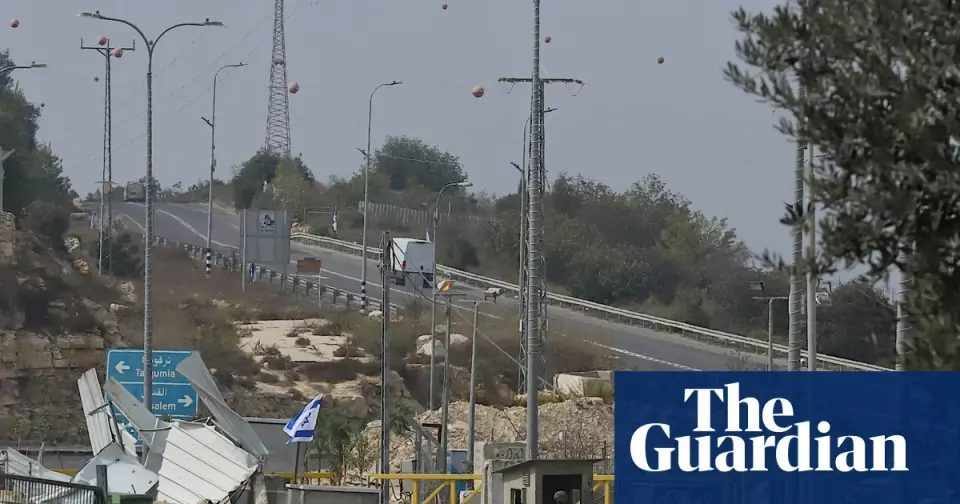
Israeli forces have launched a massive military operation in Hebron, the West Bank’s largest city, following a Friday checkpoint attack that killed two soldiers. The crackdown, occurring just days before Israel’s general election, has displaced nearly 2,000 Palestinians and sealed the city. While Israel frames the action as a security response, critics and Palestinian officials describe it as collective punishment and a political maneuver to bolster Prime Minister Benjamin Netanyahu’s image.
Key points
- A gun attack on an Israeli checkpoint in Hebron killed two soldiers and wounded three others on Friday, triggering an immediate and sweeping military response.
- Israeli forces have forcibly displaced nearly 2,000 Palestinians, including 370 families, from the Ein Deir Baha neighborhood and other areas, with the city fully sealed off.
- The operation includes the demolition of industrial facilities and homes, with the Israeli military claiming the displaced are from a clan associated with Hamas, a claim residents reject.
- The crackdown coincides with Israel’s general election on Tuesday, with analysts suggesting Netanyahu is using the violence to project strength to voters, despite polls showing a tight race.
- Palestinian officials and human rights groups, including B'Tselem, have condemned the actions as collective punishment and potential war crimes, while local residents have opened their homes to the displaced.
Background
This operation follows a surge in West Bank violence and settler attacks, including a recent incident where a settler mob burned a Palestinian family's home despite a high court order. Hebron, which accounts for 40% of the West Bank's industrial output, has been a focal point of tension due to the presence of Jewish settlers in the heart of a densely populated Palestinian area. The current crisis exacerbates existing humanitarian concerns, as previous large-scale expulsions in the northern West Bank were described by Human Rights Watch as war crimes.
How outlets are covering it
The Israeli military and Prime Minister Netanyahu frame the operation as a necessary security response to terrorism, with Netanyahu vowing to demolish the area on a scale not seen since the 1967 occupation. The Israeli military claims the displaced are from a clan associated with Hamas, though residents deny this. In contrast, Palestinian officials, including Hebron’s mayor, and analysts like Danny Citrinowicz describe the actions as collective punishment and a political tactic to bolster Netanyahu’s image ahead of the election. The Guardian and Al Jazeera highlight the humanitarian impact, including the displacement of children and the destruction of homes, while CBS News notes the broader context of a surge in violence in the West Bank. NPR emphasizes the political dimension, with analysts suggesting the response is more about maintaining power than long-term security.
Why it matters
The Hebron crackdown highlights the intersection of security operations and political maneuvering in the lead-up to Israel’s general election. The displacement of thousands of Palestinians and the destruction of homes and industrial facilities have severe humanitarian and economic consequences, exacerbating tensions in the West Bank. The operation also raises international concerns about collective punishment and potential war crimes, drawing condemnation from human rights groups and UN officials. The outcome of the election could significantly impact the trajectory of Israeli-Palestinian relations and the broader conflict in the region.
What to watch
The Israeli military is expected to continue operations in Hebron, with crossings into Israel remaining closed until after the election on Tuesday. The displaced Palestinians are likely to remain in temporary shelters or with local families, as the city remains sealed off. The election results will determine whether Netanyahu’s security-focused approach continues or if there is a shift in policy. International pressure may increase if the operation is perceived as disproportionate or as collective punishment, potentially leading to further diplomatic and legal challenges.
- ‘It’s collective punishment’: nearly 2,000 Palestinians in Hebron displaced as Israeli forces take over homes The Guardian
- Palestinians are opening their doors to the displaced of besieged Hebron Al Jazeera
- Report: IDF chief tells Netanyahu there's no justification for keeping Palestinians from their homes, but PM orders Hebron op to continue The Times of Israel
- Israeli military closing West Bank crossings ahead of upcoming elections as massive operation continues CBS News
- Israeli PM pledges massive military operation after West Bank checkpoint attack NPR
Want the full story? Read the original reporting
Read on The Guardian