
UK, Canada, and Australia Condemn Israel's Refusal to Probe Aid Worker Killings
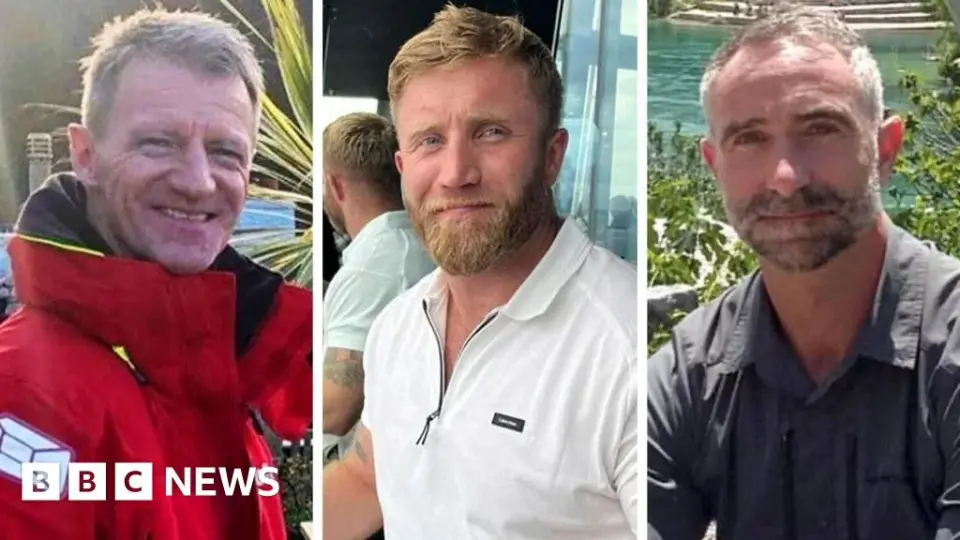
The UK, Canada, and Australia jointly condemned Israel’s decision not to launch a criminal investigation into the April 2024 strike on a World Central Kitchen (WCK) convoy in Gaza, which killed seven aid workers. The joint statement described the refusal as 'shameful' and noted the timing on World Humanitarian Day as 'egregious.' While the Israel Defense Forces (IDF) acknowledged 'serious failures' in the process, they concluded that commanders did not commit criminal misconduct. The victims included nationals from the UK, Australia, Canada, Poland, and the US. In response, Australia summoned Israel’s ambassador, and the UK and Canada expressed deep disappointment, urging Israel to comply with international humanitarian law. The IDF simultaneously announced criminal probes into other civilian deaths, including that of five-year-old Hind Rajab.
Key points
- The UK, Canada, and Australia issued a joint statement calling Israel’s refusal to investigate the WCK convoy strike 'shameful' and demanding accountability for the seven victims.
- The IDF concluded that while 'serious failures' occurred, the commanders’ decisions did not raise reasonable suspicion of criminal misconduct, citing a misidentification of an armed guard as a Hamas fighter.
- Australia summoned Israeli ambassador Hillel Newman, with Foreign Minister Penny Wong stating the decision 'falls far short' of expected accountability and expressing 'outrage.'
- The strike occurred on April 1, 2024, involving three drone strikes over four minutes; the victims included three British nationals, a Pole, an Australian, a Canadian, and a dual US-Canadian citizen.
- The IDF announced criminal investigations into the deaths of five-year-old Hind Rajab and 15 other Palestinians in March 2025, contrasting with the WCK case.
Background
This incident follows the April 2024 strike on a World Central Kitchen convoy in Gaza, which killed seven humanitarian workers. Previous coverage in August 2026 highlighted Australia’s formal protests and the international backlash following the IDF’s initial ruling. The broader context includes ongoing disputes over accountability for civilian deaths in Gaza, with Israel recently admitting to firing on the vehicle of five-year-old Hind Rajab and opening a criminal probe in that case, while maintaining that the WCK strike was an unintentional error.
How outlets are covering it
The UK, Canada, and Australia uniformly condemned the IDF’s decision, emphasizing the need for justice and accountability for the victims and their families. They criticized the timing of the announcement on World Humanitarian Day as particularly egregious. In contrast, the IDF and Israeli ambassador Hillel Newman defended the decision, stating there was 'no criminal intention' and that the incident resulted from 'serious failures' in situational awareness rather than criminal misconduct. The Guardian highlighted the family’s perspective, describing the ruling as an 'insult' to the memory of Zomi Frankcom and criticizing the lack of transparency, including the refusal to release audio from the drone attack. ABC News noted that while Israel declined to apologize, the ambassador left open the possibility of reparations for the Frankcom family, a point not emphasized in the BBC or Guardian reports. The BBC focused on the joint diplomatic condemnation, while the Guardian and ABC provided more detail on the specific victims and the internal Israeli debate over accountability.
Why it matters
The refusal to launch a criminal investigation into the killing of seven international aid workers underscores ongoing tensions between Israel and Western allies over accountability in Gaza. It highlights the challenges in holding military forces accountable for civilian and humanitarian casualties in conflict zones, and may influence future diplomatic relations and aid policies. The contrasting handling of the WCK case versus the Hind Rajab case suggests selective application of criminal probes, raising questions about the consistency of Israel’s approach to civilian deaths in Gaza.
What to watch
The UK, Canada, and Australia have stated they will continue to press Israel for answers and accountability. Australia has summoned the Israeli ambassador and is considering further diplomatic actions, potentially including consultations with the Frankcom family. The IDF has announced criminal investigations into other high-profile civilian deaths, including that of Hind Rajab, which may proceed independently. The families of the WCK victims are expected to seek further transparency and possibly legal avenues for justice, while international pressure on Israel to comply with humanitarian law is likely to persist.
- UK, Canada and Australia condemn Israel for refusing criminal probe into aid worker killings in Gaza BBC
- Australia summons Israeli ambassador over Gaza aid worker death Reuters
- Zomi Frankcom was killed by IDF drones. Australia says Israel’s response ‘falls far short’. How did it happen and what’s next? The Guardian
- Opinion | Australia, don't be surprised. Israel does this to Palestinians all the time Haaretz
- Israel open to compensating Zomi Frankcom's family, ambassador says ABC News & Headlines – Australian Broadcasting Corporation
Want the full story? Read the original reporting
Read on BBC