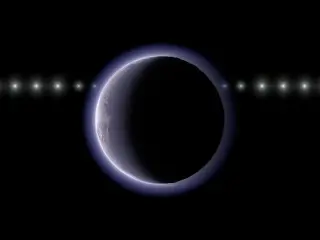
Small Kuiper Belt Object Displays a Fragile Atmosphere, Defying Expectations
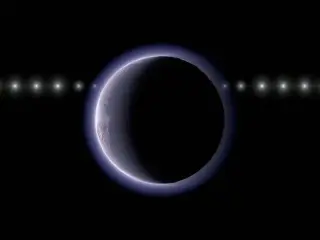
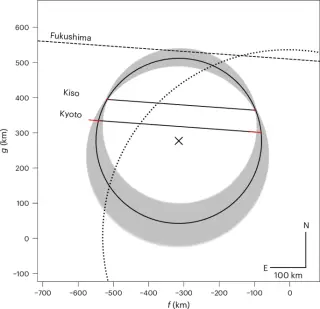
Astronomers using a 2024 stellar occultation detected signs of a thin, possibly temporary atmosphere around the tiny Kuiper Belt object 2002 XV93 (about 500 km across), challenging assumptions that such small bodies can hold an atmosphere. Any atmosphere would likely last under 1,000 years without replenishment, and no frozen surface gases were found by JWST to fuel it. Two scenarios are proposed: recent internal gas release or a comet impact. If confirmed, this would be the first atmosphere detected on a trans-Neptunian object other than Pluto, prompting further observations to understand the mechanism.