Nintendo will discontinue third-party logins for Google and Apple accounts on January 26, 2027. Users must switch to email/password or passkey authentication to maintain access to their Nintendo Accounts and the eShop.
Nintendo will cease support for logging in via Google or Apple accounts on January 26, 2027. Users must create a dedicated Nintendo Account with an email and password or passkey to maintain access. The My Nintendo Platinum Points mission for linking accounts will also end.
Netflix is reportedly testing a feature that adds a unique email to each profile within a shared account, enabling independent sign-ins, account recovery, and personalized recommendations, with rollout appearing gradual and potentially signaling tighter control of shared accounts after past password-sharing crackdowns.
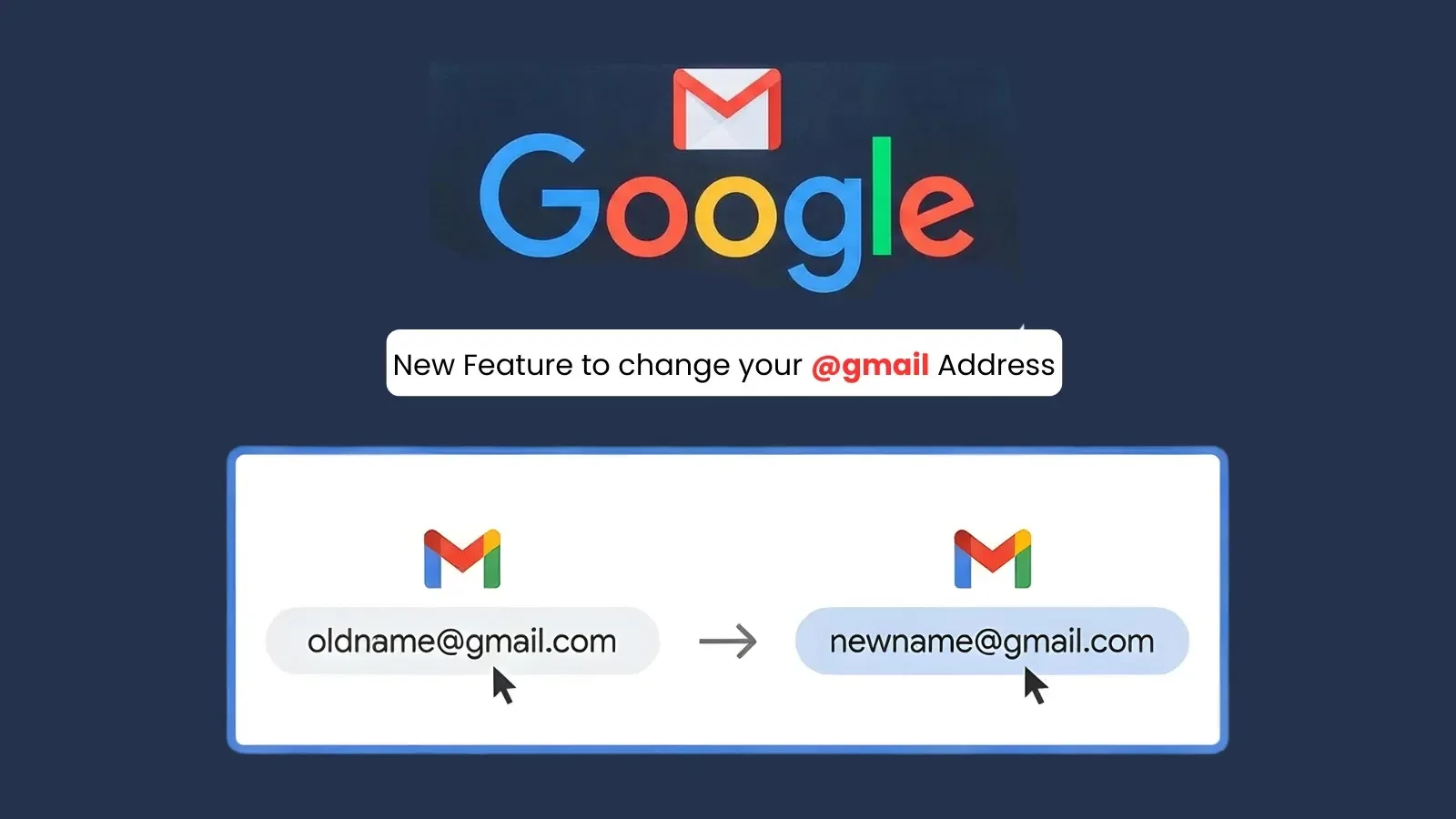
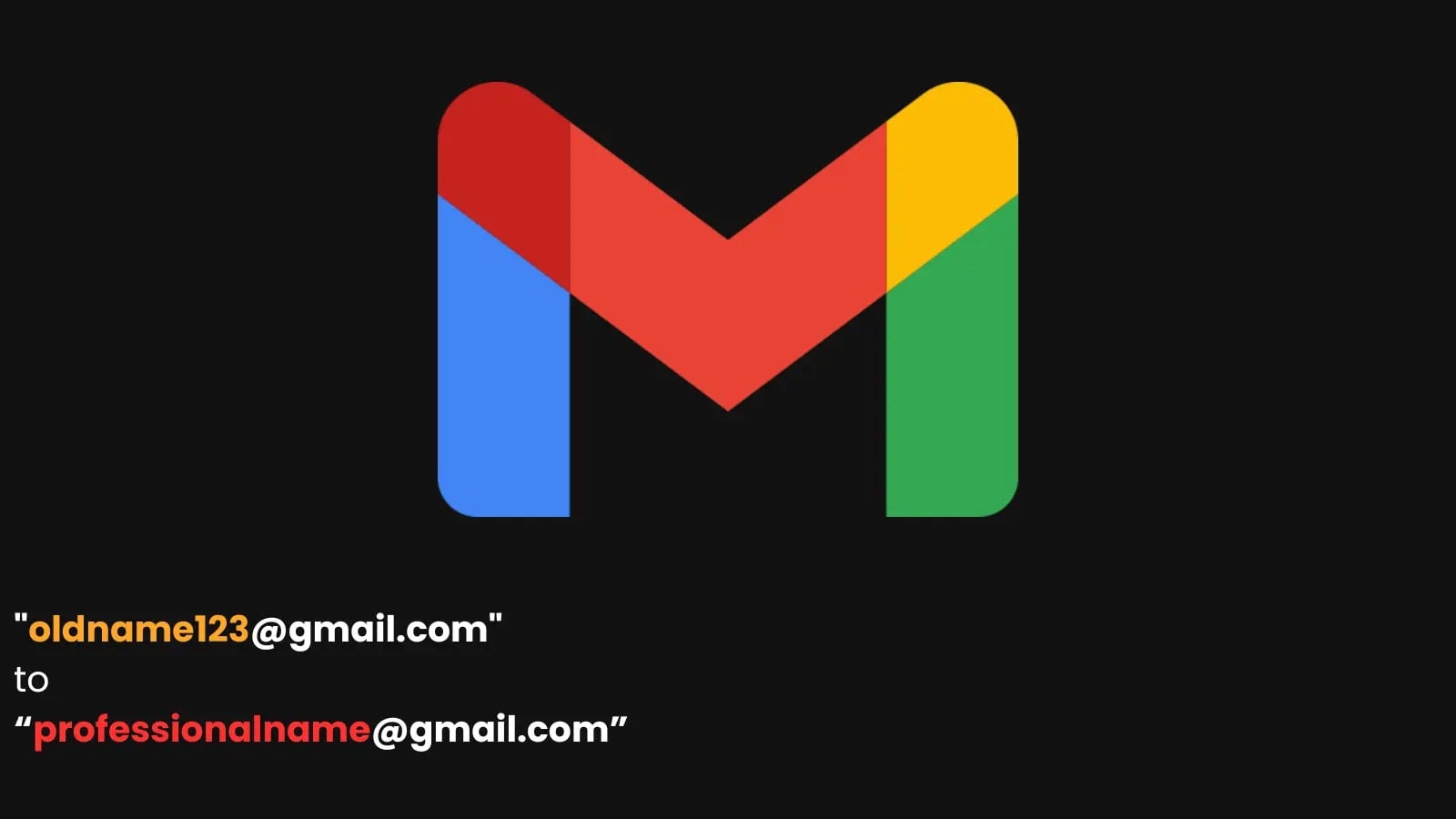
Google is rolling out a feature that lets you change your Gmail username (the part before @gmail.com) without resetting your account data. Your old address remains available as an alias, and all data stays intact, with the option to switch back. Availability is currently limited to the US and India, and you can change your username only once per year (up to four usernames total per account, since you can change it three times after the original). Chromebook users may need to remove and re-add their Google account, and you may need to sign back into some apps after the change.
Google is rolling out a US-wide option to change the Gmail username (the part before @gmail) without creating a new account. You can switch once per 12 months, with data intact and the old address kept as an alias you can still log in with; some services may still show the old handle, and Chromebook users may need to re-login and back up data due to related caveats.
Google is gradually adding a feature to change the primary @gmail.com address on a Google Account to a new Gmail address. The old address becomes an alternate and data stays intact; users can sign in with either address. Eligibility is checked via myaccount.google.com > Personal info > Email, with the option appearing for eligible accounts as rollout continues. There’s a 12-month cooldown preventing creation of another new @gmail.com, and work accounts require admin approval. While the change can boost security and reduce phishing risk, hurry-free changes may cause sign-in disruptions if recovery options lag, so back up data and enable two-factor authentication before proceeding.
Google is gradually rolling out a new feature allowing users to change their Gmail address, a process that was previously limited. The option appears on various language versions of Google's support page, and some users have already successfully changed their addresses. While the process is straightforward and retains emails and account data, users are debating whether to make the switch, considering factors like professionalism and spam.
Google is rolling out a new feature allowing Gmail users to change their email addresses ending with @gmail.com while retaining all their emails and connected services like YouTube and Google Drive, addressing long-standing user requests for more flexibility.
Google is reportedly planning to allow Gmail users to change their email addresses while keeping their old address as an alias, enabling continued receipt of emails sent to the original address and maintaining access to Google services, with restrictions on how often changes can be made. The feature appears to be initially available in Hindi-speaking regions, with potential global rollout.
Google is testing a feature that allows some users to add a new @gmail.com address to their account, effectively creating an alias while retaining their original email and data, with limitations on frequency and number of addresses. This helps users who regret their initial email choice, though it doesn't fully replace the old address.
Google is rolling out a new feature that allows users to change their primary @gmail.com email address without creating a new account, retaining all data and converting the old address into an alias, though with some restrictions and potential third-party re-authentication requirements.
Google is planning to allow users to change their Gmail address without losing data, a feature currently unavailable, with restrictions of once a year and three times total, gradually rolling out and potentially expanding globally.
Google is gradually rolling out a new feature that allows users to change their @gmail.com email addresses, a functionality previously unavailable, with the process still in testing and details emerging mainly in Hindi. The change will let users update their Gmail username while retaining access and email history, with limitations on frequency and timing, and the old address remaining linked as an alias.
Sony Interactive Entertainment has introduced passkey support for PlayStation accounts, allowing users to sign in using their mobile device or computer's screen unlocking method, such as a PIN, fingerprint, or face recognition. Passkeys aim to enhance security by reducing account vulnerability and resisting phishing and data breaches. Users can activate the option in the Security section of Account Management and are advised to use synced passkeys on mobile devices, while caution is given against using mobile PIN codes as passkeys on Android.
Google has introduced passkeys as a more secure alternative to traditional passwords. Passkeys are an extension of biometric logins, such as fingerprint or face unlock, and are more phishing-resistant. Google has automatically created passkeys for some mobile devices, but users can create them for compatible devices by visiting myaccount.google.com/signinoptions/passkeys. Passkeys can be managed and revoked for listed devices, and as more companies adopt this feature, passkeys may become the norm for most apps.