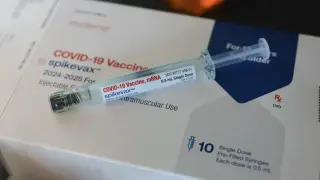
FDA Panel Backs Updated COVID Vaccines for Next Season
An FDA advisory panel recommended updating the COVID-19 vaccines to better match circulating variants, a move that would influence vaccine composition and regulatory steps for the next rollout.

All articles tagged with #advisory panel
An FDA advisory panel recommended updating the COVID-19 vaccines to better match circulating variants, a move that would influence vaccine composition and regulatory steps for the next rollout.
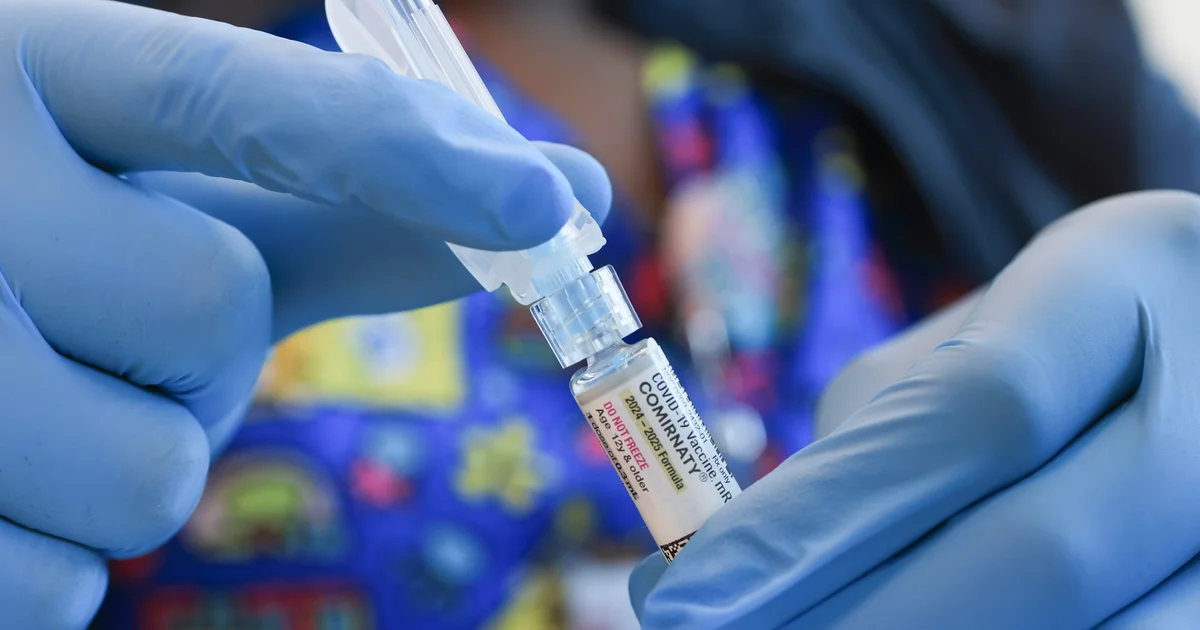
The CDC and its advisory panel quietly expanded Covid-19 vaccine access for pregnant women, despite internal confusion and lack of clear communication, reversing previous recommendations and raising concerns about transparency and safety debates.
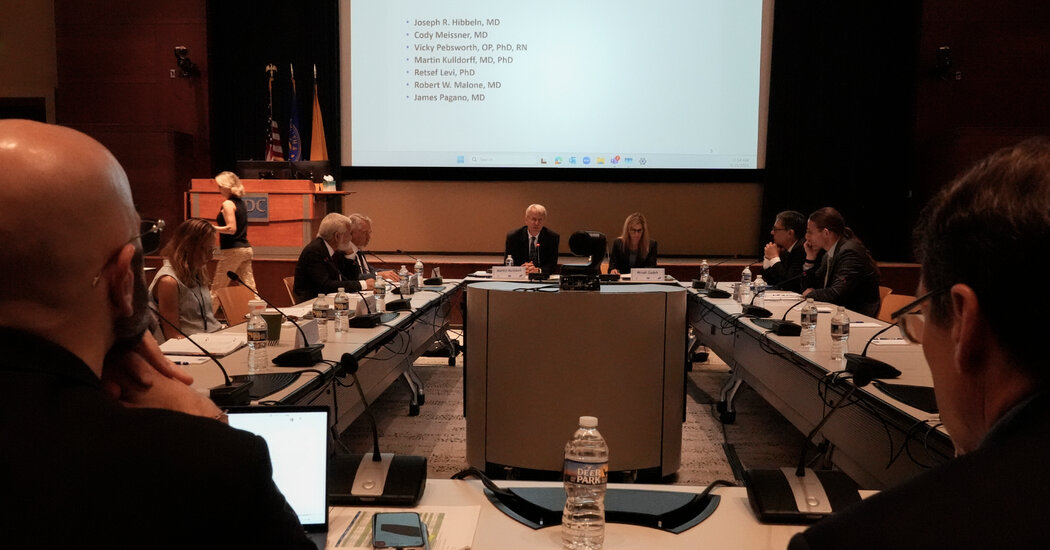
The CDC's vaccine advisory panel (ACIP) is discussing and voting on various COVID-19 vaccine recommendations, including changes to hepatitis B vaccination timing and the process of decision-making, amid debates over transparency and scientific evidence, with recent appointments of new members including vaccine critics and allies.
Health Secretary Robert F. Kennedy Jr. plans to nominate seven new members to the CDC's Advisory Committee on Immunization Practices, which influences vaccine recommendations in the U.S., after replacing the original members earlier this year.
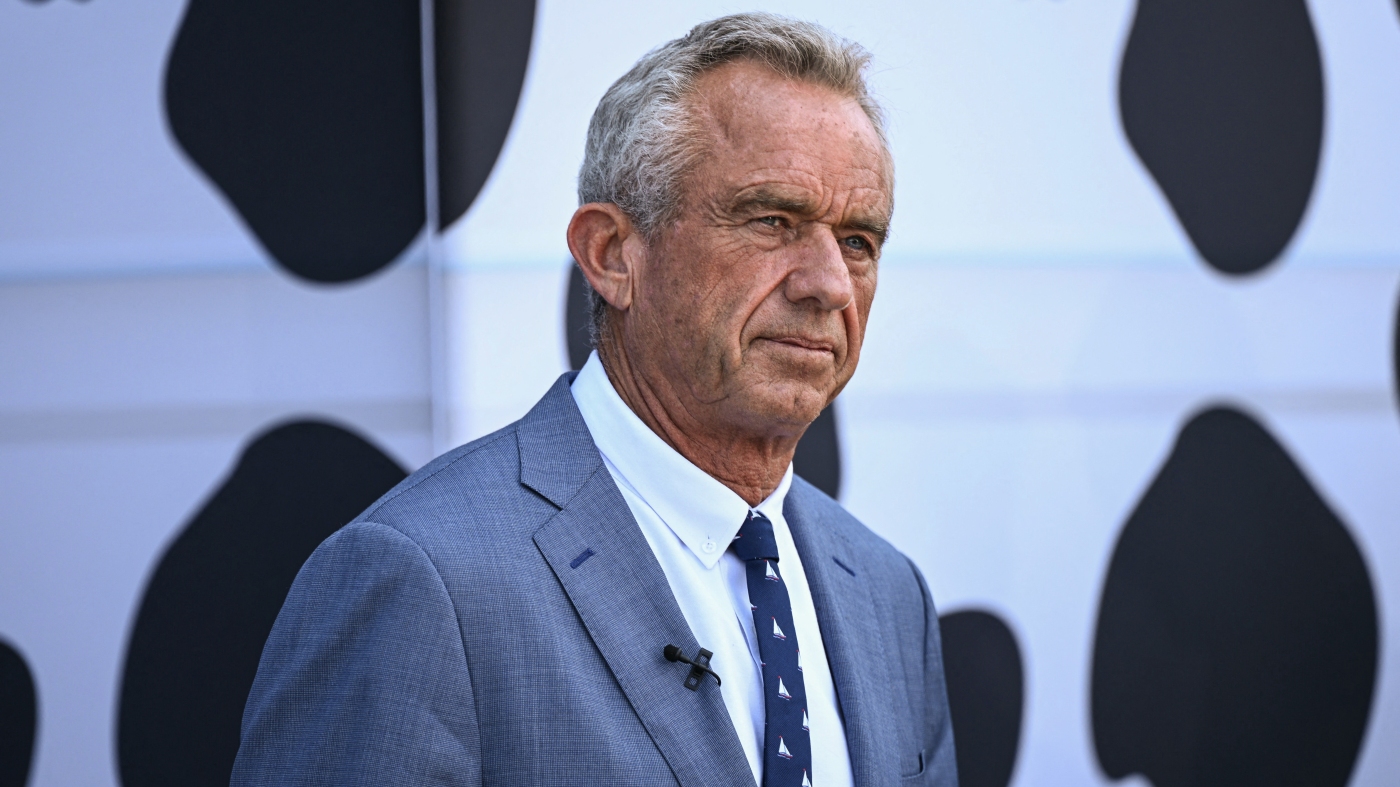
Top medical groups are concerned that Health and Human Services Secretary Robert F. Kennedy Jr. may dismiss the U.S. Preventive Services Task Force, an influential advisory panel on primary care, raising fears about the loss of trusted guidelines and potential political interference in preventive health recommendations.

The newly appointed CDC vaccine advisory panel, heavily influenced by vaccine skeptic Robert F. Kennedy Jr., is meeting for the first time amid concerns over its composition, agenda, and potential impact on vaccine trust and public health policies, with some members expressing skepticism and the meeting being unusually chaotic and unstandardized.
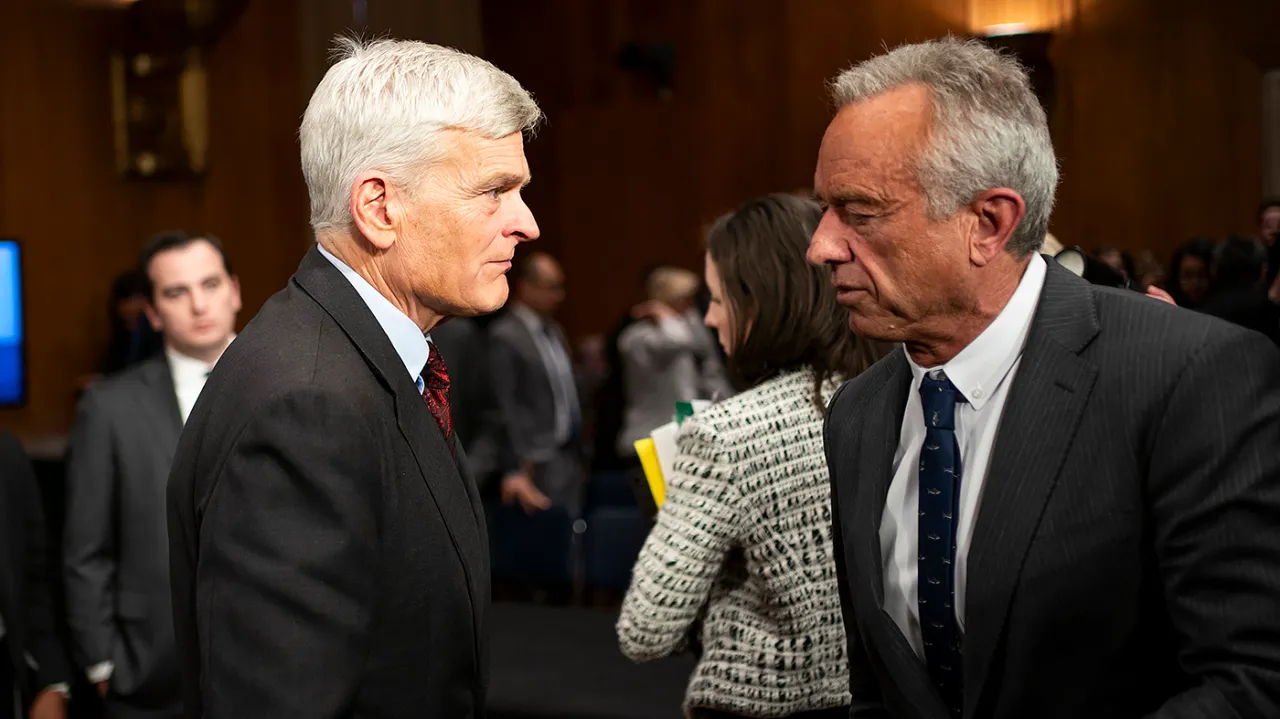
Senator Bill Cassidy has called for delaying a vaccine advisory panel meeting led by RFK Jr., citing concerns over the panel's lack of experience and potential bias, especially after Kennedy's recent overhaul of the panel and appointment of vaccine critics, which Cassidy fears could undermine public trust and the administration's vaccine efforts.
The FDA has delayed its decision on Eli Lilly's experimental Alzheimer's treatment, donanemab, and plans to convene an advisory meeting to further review its safety and efficacy, reflecting the high stakes of developing treatments for Alzheimer's. The drug significantly slowed Alzheimer's progression in a late-stage trial, but carries safety concerns related to brain swelling and bleeding. This setback comes as Eli Lilly races to compete with Biogen and Eisai, who won approval for their Alzheimer's treatment, Leqembi, last year. Eli Lilly expressed confidence in donanemab's potential benefits and will work with the FDA and stakeholders to address concerns.

South African President Ramaphosa removed economist Thabi Leoka from an advisory panel amid questions about her PhD from the London School of Economics, which journalists have been unable to verify. Leoka denied misrepresenting her qualifications and resigned from the boards of two companies due to health and academic qualification questions. The Presidential Economic Advisory Council terminated her membership, although formal vetting is not required. Leoka, a prominent commentator and economist, cited health issues and name changes as reasons for the discrepancies.

British Prime Minister Rishi Sunak has announced a "landmark" agreement with several countries to allow the testing of leading tech companies' AI models before their release. The agreement involves like-minded governments and eight companies, including Amazon, Google, and Microsoft. Sunak also revealed plans for an international advisory panel on frontier AI risks, similar to the Intergovernmental Panel on Climate Change, which will produce a "State of Science" report to inform policy-making.

An advisory panel to the FDA has unanimously declared that the main ingredient, phenylephrine, found in many over-the-counter cold and allergy medications does not effectively relieve nasal congestion. This could potentially lead to the removal of phenylephrine from the market, forcing manufacturers to reformulate their products. The decision could impact companies like Procter & Gamble and Johnson & Johnson, as well as retail pharmacy chains. Researchers at the University of Florida petitioned the FDA to remove phenylephrine based on recent studies showing its ineffectiveness. FDA staff concluded that oral forms of phenylephrine do not work at standard or higher doses.
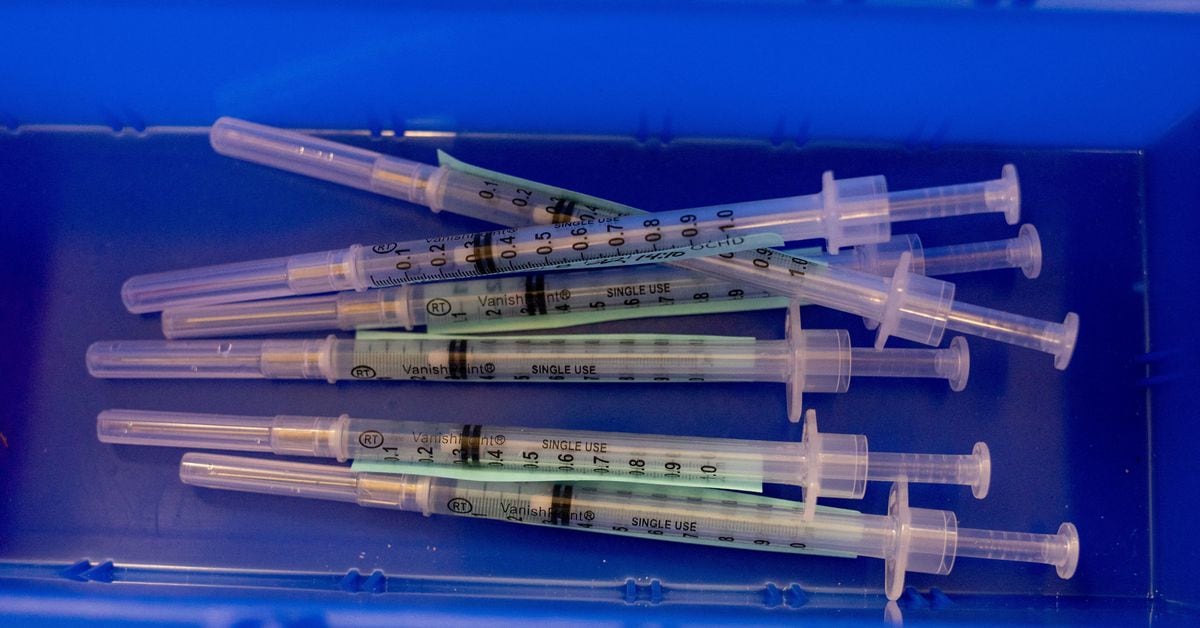
The U.S. Centers for Disease Control and Prevention (CDC) advisory panel is meeting to decide whether the newly authorized updated COVID-19 shots should be administered broadly or targeted to specific at-risk populations. The panel is leaning towards recommending that everyone aged 5 and older receive a dose of the updated shots. The updated vaccines from Pfizer, BioNTech, and Moderna are designed to align more closely with the circulating variant of the virus. Novavax's shot is still under review. The CDC director will make the final decision after the committee's vote. The ongoing rise in COVID infections and hospitalizations, along with the emergence of new variants, has prompted the need for updated vaccines.

The FDA is holding an advisory panel meeting to review clinical data on Sarepta Therapeutics' experimental gene therapy for Duchenne muscular dystrophy. Many Duchenne patients and their families view the therapy as the best hope for slowing the fatal muscle-wasting disease. The meeting is expected to be contentious and could have a significant impact on the future of the therapy.

The FDA advisory panel will meet on Friday to discuss Sarepta Therapeutics' experimental gene therapy for Duchenne muscular dystrophy. This will be the first hearing for a Duchenne drug from Sarepta since 2016, when the FDA overruled its committee's recommendations and authorized an earlier therapy from the company despite limited evidence, leading to celebrations from families and outcry from senior agency officials.