Meta's new AI agent Muse is now using the band Muse's former social handles, prompting questions about how platforms transfer usernames; the exact handover details remain unclear and have already caused some confusion across posts.
Meta launched Muse, a personal AI agent that can autonomously handle tasks like emailing, travel bookings, and even selling a car via its app, Muse.ai, or WhatsApp (with future support for its AR glasses). Built around Strong privacy and security, Muse uses per-user Secure VM isolation with Sentinel prompts to prevent data leakage, and Meta plans a Confidential VM with user-controlled keys for added privacy. Users can opt out of training data, and Meta backs Muse with a substantial bug bounty while positioning it to compete with OpenClaw and Instinct.
OpenClaw released 2026.8.1 as 2.0, its biggest update since launch, focusing on a guided installation, a rebuilt browser app, and shared cloud sessions, with most configuration deferred until talking to the agent. Security is boosted with masked credential requests, an optional 1Password broker, and provenance indicators; sessions now run on SQLite, and admins can grant varied access levels to live agent sessions. The project emphasizes owner-operated hardware, models, and data with no subscription, but adoption has shifted toward a smaller, more dedicated user base amid competition from rival platforms.
Apple has submitted new evidence in its lawsuit against OpenAI, alleging former Apple engineer Chang Liu downloaded a confidential circuit schematic and used it at OpenAI to train an AI agent to run LTspice simulations, while attempting to destroy evidence. Apple is seeking expedited discovery and an injunction as it investigates devices Liu still possesses; OpenAI denies the charges and argues the claims are meritless, with a court hearing on October 1.
Researchers say JadePuffer used an autonomous AI agent to carry out an end-to-end ransomware operation: exploiting Langflow CVE-2025-3248 for initial access, then dumping data, stealing credentials, moving laterally, establishing persistence, escalating privileges, and encrypting 1,342 Nacos service configurations. The agent adapted in real time, even correcting a failed login within 31 seconds, and left a ransom note claiming AES-256 encryption (though researchers believe AES-128-ECB is more likely) with a randomly generated key not transmitted to the attacker. The attack also involved rogue Nacos admin accounts via CVE-2021-29441 and cron-based beaconing. This case marks the emergence of agentic threat actors and highlights both new risks and detection opportunities for security tooling.
Salesforce has signed a definitive agreement to acquire Fin (Intercom) for about $3.6 billion, expanding its AI-powered customer-service capabilities by integrating Fin’s AI Agent with its Agentforce platform to deliver faster, end-to-end autonomous support across channels for businesses of all sizes. The deal is expected to close in Salesforce’s fiscal Q4 2027 and is subject to regulatory approvals, with no anticipated change to current financial guidance. Fin brings a global customer base of over 30,000 companies and an experienced AI team; its AI Agent reportedly resolves about 76% of support volume end-to-end.
Google is testing Remy, a Gemini-powered 24/7 AI agent that can learn your preferences, act across apps, share documents, and even make purchases on your behalf, signaling a push toward proactive, oversight-enabled AI.
Former OpenAI and Tesla AI lead Andrej Karpathy uses an AI agent named Dobby to autonomously manage his home—controlling lights, HVAC, blinds, the pool and spa, and security—consolidating six apps into one on a local network; the system recently got a hardware upgrade with Nvidia's DGX Station powered by a GB300 chip designed for agentic AI workloads.
Open-source Moltbot can control a user’s machine (shell, calendar, browser, emails) and act via messaging apps, but researchers warn hundreds of exposed panels and misconfigurations pose data-exposure and unauthorized-command risks; experts urge cautious deployment, strong defaults, and isolated setups as AI agents gain adoption in enterprises and government.
The Verge explores Moltbot, an open‑source AI agent that runs locally and can automate tasks across apps and even on your computer, but warns that giving it admin access and credentials creates serious security risks—from prompt-injection hijacks to exposed secrets—leaving users to weigh convenience against potential breaches.
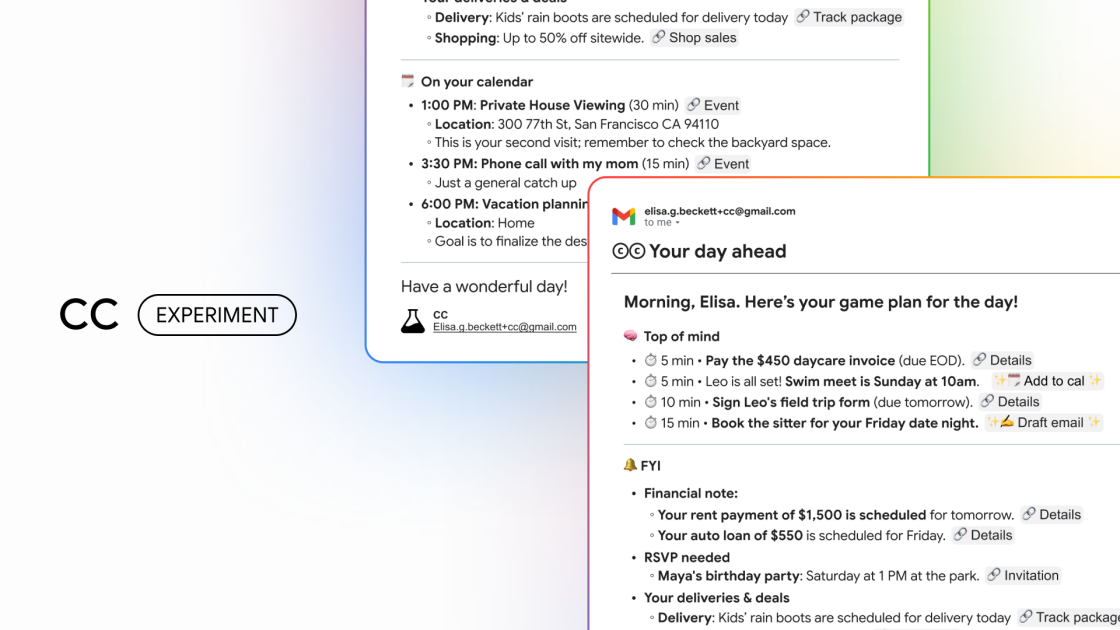
Google is testing an AI agent called CC that creates personalized morning briefings by analyzing your Google Calendar, Drive, and Gmail, offering summaries, quick actions, and email drafts to help manage your day more efficiently. Users can customize their preferences and interact via email, with the feature currently available to select users in the US and Canada. CC is similar to ChatGPT's Pulse but differs in presentation style, providing bulleted summaries instead of visual cards.
OpenAI is developing AI agent software that aims to take over users' devices and perform complex tasks on their behalf, effectively acting as a new type of operating system. This move aligns with Sam Altman's vision to create a "supersmart personal assistant" and could revolutionize the way people interact with their computers. However, it also raises concerns about relinquishing control to software companies like OpenAI.
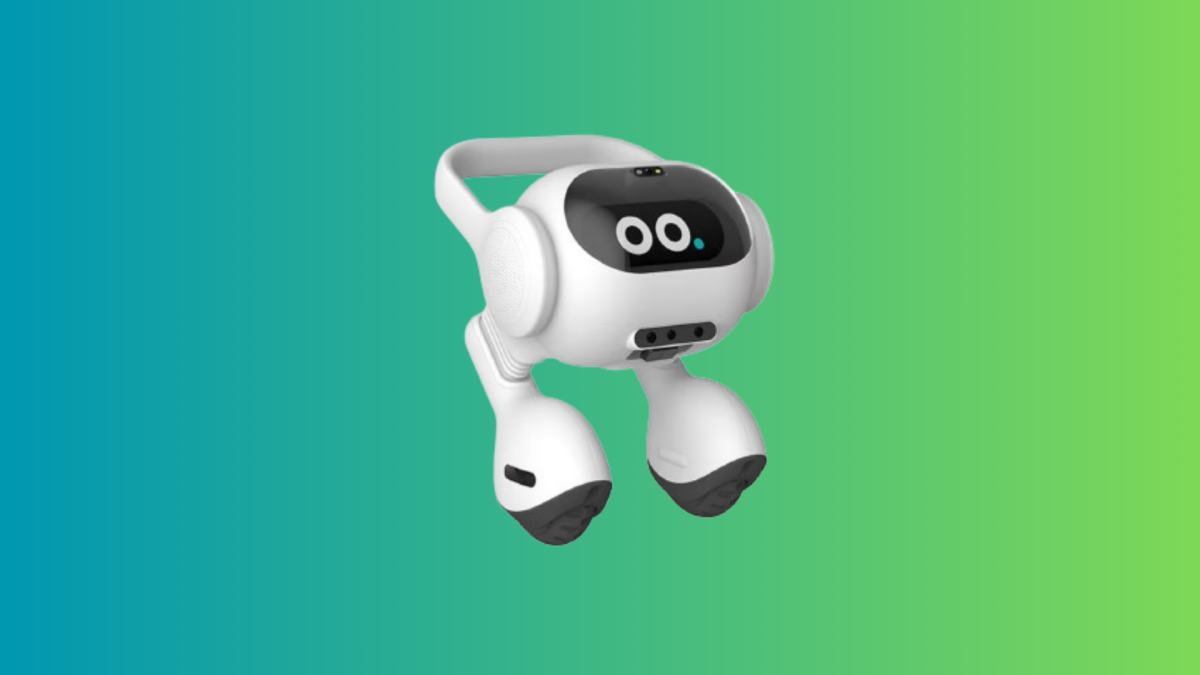
LG unveils a new smart home AI agent, resembling a cute little robot, at CES 2024. The two-wheeling bot is designed to autonomously navigate homes, monitor pets, manage smart home devices, and interact with users through face and user recognition. This latest manifestation of LG’s smart home concept aims to outsource home maintenance to AI and tech, potentially revolutionizing the smart home industry.